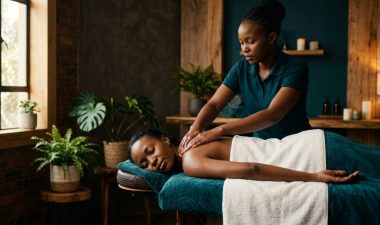
One person’s perfect massage can leave another feeling uncomfortable. The right choice depends on your pressure preference, current soreness, energy level, and reason for booking. Learning the main types of massage helps you choose a session that feels useful rather than relying on a familiar name.
Choosing among the many types of massage also makes it easier to explain what you want to a therapist. You might need gentle relaxation after a long week, focused work for tight shoulders, or simple foot care after walking around Nairobi. Here are 20 options to consider, plus practical advice for booking safely in Kilimani.
How to choose between the types of massage
Start with your goal. Swedish massage and aromatherapy usually suit relaxation, while deep tissue, trigger point, and sports massage provide more focused pressure. Foot massage and reflexology work well when your feet feel tired, while a full-body session gives balanced attention across several areas.
Your preferred pressure matters too. Firm pressure isn’t automatically better, and a painful session isn’t a sign that the treatment is working. Tell the Massage Therapist if the pressure feels too strong, if you feel numbness, or if you want more attention on your back, neck, legs, or feet.
Session length also affects the experience. A 30-minute appointment can focus on one area, while 60 to 90 minutes gives the therapist enough time to work more gradually. For local guidance, this massage guide in Nairobi covers common treatments and factors that affect your choice.
Massage can support relaxation and short-term comfort, but it doesn’t diagnose or cure disease. The NCCIH’s massage therapy summary notes that research differs by condition and that benefits may be temporary.
If you have a medical condition, an injury, recent surgery, take medication that affects bleeding, are pregnant, or have any concern, consult a qualified healthcare professional and a licensed massage therapist before booking.
A good therapist should ask about your health, explain the treatment, protect your privacy, and invite feedback during the session.
Classic types of massage for relaxation and recovery
These familiar treatments appear on many spa menus. They differ mainly in pressure, pace, body areas, and the way the therapist works with muscle tension.
1. Swedish massage
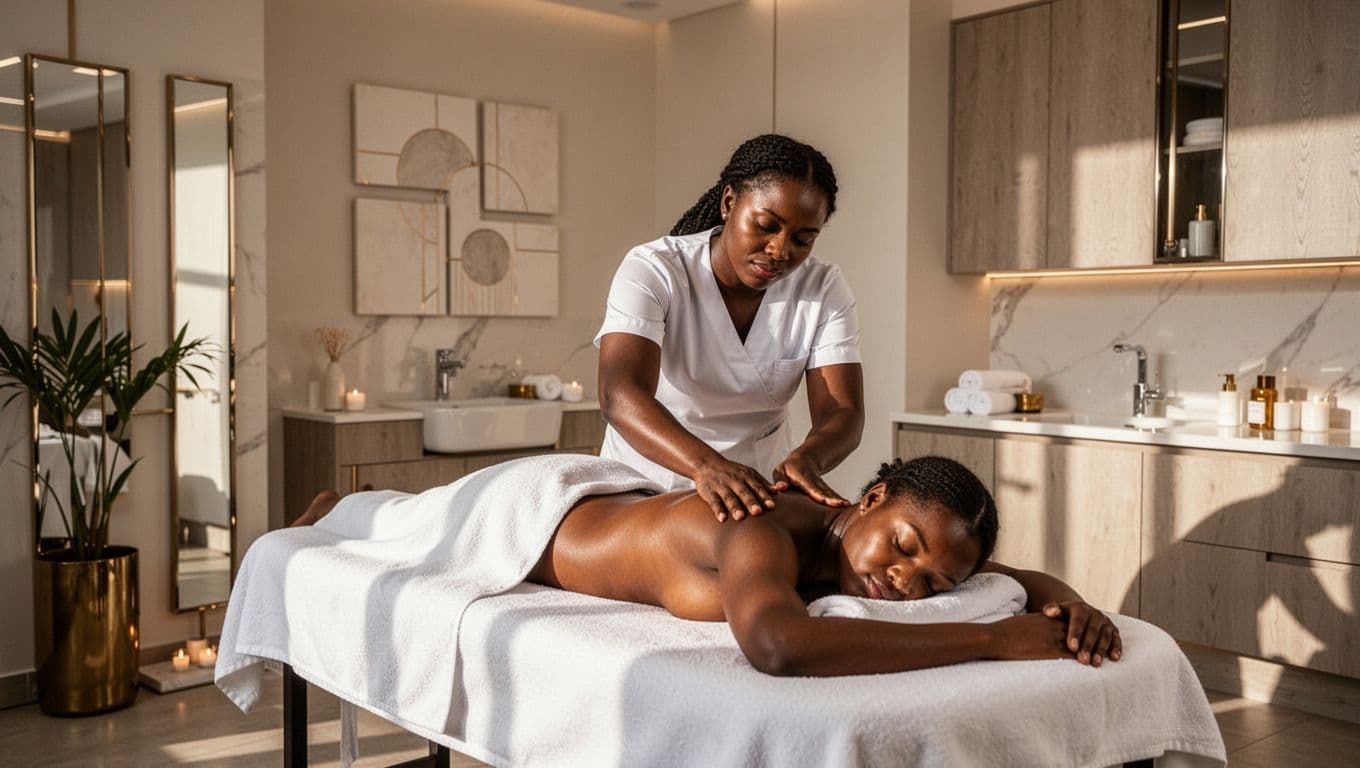
Swedish Massage uses long gliding strokes, kneading, gentle friction, and light to moderate pressure. The therapist usually works across the back, arms, legs, shoulders, and neck in a steady sequence.
It may help you relax, reduce the feeling of everyday muscle tension, and become more aware of areas that feel tight. It suits first-time clients, people under stress, and anyone who wants a calm, balanced session without intense pressure.
2. Deep tissue massage
Deep Tissue Massage uses slower strokes and focused pressure on areas with persistent tightness. For a fuller look at how it works, its risks, and what to expect, see our dedicated discussion of deep tissue massage. The therapist may use the fingers, thumbs, forearms, or elbows, but pressure should remain controlled and easy to communicate.
This style may suit active adults, people with recurring muscle tension, or clients who prefer firm bodywork. It can leave treated areas tender for a short time, so tell the therapist about old injuries and ask for adjustments when needed.
3. Sports massage
Sports massage combines massage strokes, compression, assisted movement, and stretching around muscles used during training. A session may focus on the legs, hips, shoulders, or another area rather than covering the whole body.
It may support relaxation after exercise and help you notice areas that feel overworked. Runners, gym users, dancers, and hikers may enjoy it. However, sharp pain, swelling, or a suspected injury needs medical assessment rather than routine massage.
4. Prenatal massage
Prenatal massage adapts body position, pressure, and support for pregnancy. The client may lie on the side with cushions, while the therapist avoids uncomfortable positions and works with gentle or moderate pressure.
It may ease ordinary feelings of back, shoulder, or leg tension for some pregnant clients. Book with a therapist trained in prenatal care and obtain medical guidance when needed. Pregnancy changes throughout each trimester, so your comfort and healthcare advice should guide the session.
5. Full-body massage
Full Body Massage describes the coverage of a session rather than one fixed technique. A therapist may work on the back, shoulders, arms, legs, feet, neck, and sometimes the scalp, using Swedish, relaxing, herbal, or moderate-pressure methods.
It suits people who want general relaxation instead of attention on one sore area. Before starting, ask which technique the spa will use and whether you can request less time on areas that feel sensitive.
The NIH research review on massage therapy discusses findings across several conditions, while also showing why results shouldn’t be treated as the same for every person.
Thai, Asian, and heat-based massage traditions
The phrase Asian Massage covers many different traditions, so ask what a spa means by it. Thai massage, shiatsu, and Tui Na use different techniques and body positions. A clear explanation helps you avoid booking a treatment that doesn’t match your expectations.
6. Thai massage
Thai Massage usually takes place on a mat or firm surface, with the client wearing comfortable clothing. The therapist uses pressure, compression, assisted stretches, and changes in body position.
It may help you feel more mobile and relaxed after sitting or travelling. It suits people who enjoy an active session and don’t mind gentle stretching. Tell the therapist about joint problems, recent injuries, or movements that feel uncomfortable before the treatment begins.
7. Shiatsu massage
Shiatsu is a Japanese bodywork style that uses steady finger, thumb, palm, and sometimes elbow pressure. The client generally remains clothed, and the therapist may work along the back, limbs, shoulders, and feet.
The slow, structured pressure may promote relaxation and body awareness. It suits clients who prefer a clothed treatment or dislike massage oils. The session should never involve forceful pressure on a painful joint or injured area.
8. Tui Na massage
Tui Na is a Chinese bodywork tradition that uses kneading, rolling, pressing, rubbing, and targeted movement. The therapist may spend more time on one area instead of following a smooth, full-body spa sequence.
It may suit clients who prefer purposeful, firm work on local muscle tension. Some sessions feel more active than a relaxation massage. Discuss your health history first, especially if you have pain that spreads, numbness, or limited movement.
9. Balinese massage
Balinese massage often combines long oil strokes, kneading, palm pressure, and attention to the arms, legs, back, and scalp. The rhythm can shift between gentle relaxation and firmer work.
It may help you settle after travel or a demanding week. This style suits spa clients who enjoy scented oils and a flowing full-body treatment. Ask about the oil ingredients if you have allergies, sensitive skin, or a strong fragrance preference.
10. Hot stone massage
Hot stone massage uses smooth, heated stones on selected areas and may also use them as an extension of the therapist’s hands. The warmth can make moderate pressure feel soothing while helping the body settle.
It suits people who enjoy heat and gentle, relaxing work. Tell the therapist immediately if a stone feels too hot. Clients with reduced heat sensation, certain skin conditions, circulation concerns, or other medical issues should seek professional advice first.
Foot, lymphatic, and targeted massage choices
Your feet carry you through work, errands, exercise, and travel. Targeted sessions can also suit clients who want a shorter appointment or prefer not to receive a full-body treatment.
11. Foot massage
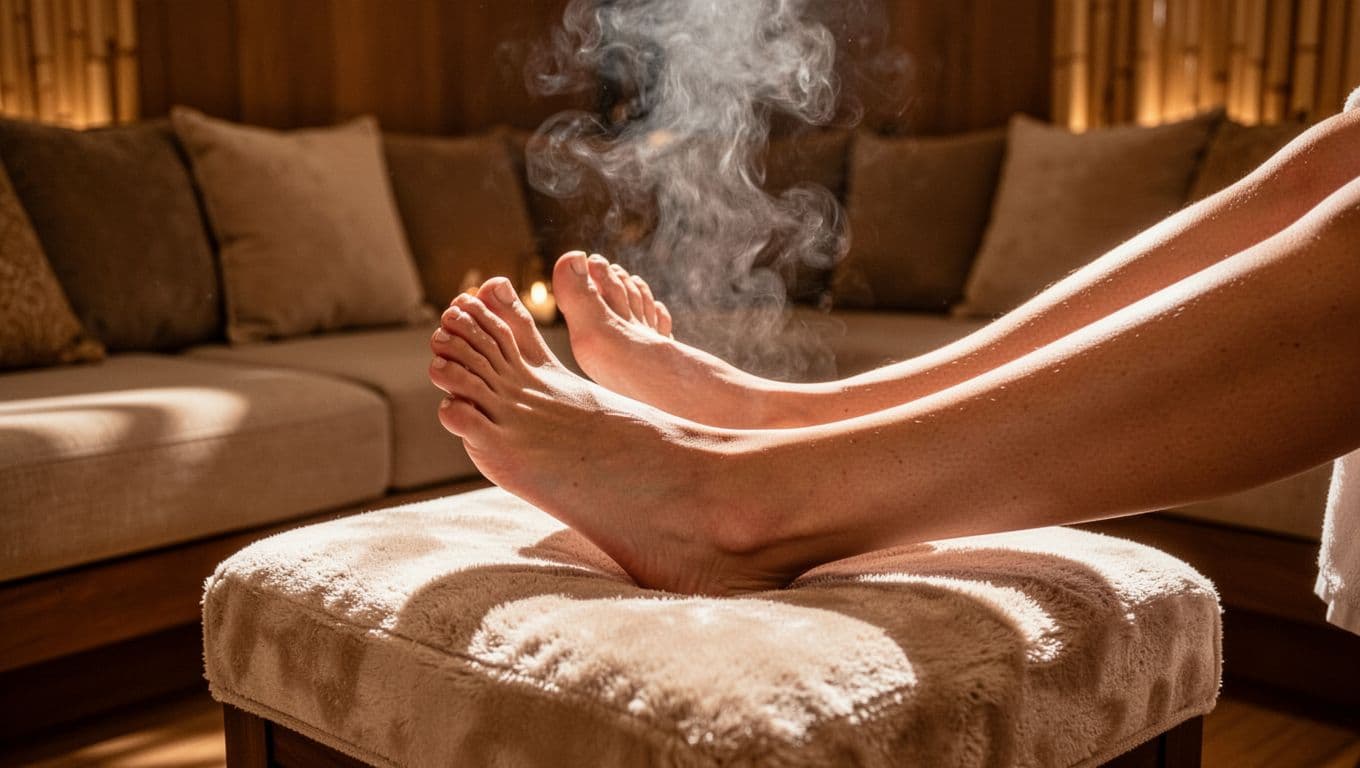
Foot Massage uses thumb pressure, kneading, gentle stretching, and work around the soles, heels, toes, and ankles. Some therapists include a short lower-leg treatment as well.
It may help tired feet feel more comfortable after standing, walking, or travelling. It suits clients who want a focused session and people trying massage for the first time. Avoid massage over an open wound, active skin infection, or unexplained swelling until a healthcare professional gives advice.
12. Reflexology
Reflexology applies pressure to specific areas of the feet, hands, or ears according to a traditional zone map. The treatment focuses on sensory relaxation rather than working through every muscle in the body.
Many clients choose it for a calming foot-based experience. It may suit people who enjoy focused pressure and want to remain partly clothed. Claims that reflexology can treat internal diseases aren’t established, so view it as complementary relaxation rather than medical treatment.
13. Lymphatic drainage massage
Lymphatic Drainage Massage uses very light, rhythmic strokes directed toward lymphatic pathways. It is different from deep tissue massage because firm pressure isn’t the goal.
This treatment may suit someone who has received medical advice to use lymphatic care, but it should come from a properly trained therapist. People with diagnosed lymphedema, recent surgery, cancer treatment, infection, blood clots, or unexplained swelling need clearance from a qualified healthcare professional first. Some menus shorten the name to Lymphatic Massage.
14. Indian head massage
Indian head massage focuses on the scalp, neck, shoulders, upper back, and sometimes the face. Clients may sit in a chair or lie down, while the therapist uses kneading, circular scalp work, and gentle pressure.
It may help you pause after screen work or a stressful day. It suits clients who want a shorter treatment without undressing for a full-body session. Mention migraines, scalp sensitivity, neck injuries, or recent hair and skin treatments before booking.
15. Chair massage
Chair massage takes place over clothing, usually with the client seated and leaning into a specially designed chair. The therapist focuses on the shoulders, neck, upper back, arms, and hands.
It works well for a short workplace break, event, airport visit, or quick appointment. This treatment isn’t the same as using a Massage Chair at home, and it usually doesn’t cover the legs or feet. Let the therapist know if seated pressure worsens your neck or back discomfort.
Gentle, oil-based, and specialist bodywork
These styles often appear in spa menus alongside classic massage. Their names can sound similar, but the experience changes with the therapist’s training, pressure, products, and session plan.
16. Aromatherapy massage
Aromatherapy massage usually combines gentle Swedish-style strokes with a carrier oil containing a small amount of essential oil. The therapist may ask which scents you prefer before applying anything.
It may support relaxation and create a pleasant sensory experience. It suits clients who enjoy fragrance and light-to-moderate pressure. People with asthma, allergies, sensitive skin, or pregnancy-related concerns should discuss ingredients first and request a patch test when appropriate.
17. Herbal massage
Herbal massage may use warmed herbal compresses, infused oils, or both. The therapist applies the products while adjusting pressure to suit the back, legs, shoulders, or other selected areas.
The warmth and scent can make the session feel calming, while the hands-on work addresses ordinary muscle tightness. It suits spa clients who like natural products and sensory treatments. Ask what herbs and oils are included, especially if you have allergies or sensitive skin.
18. Trigger point massage
Trigger point massage applies focused pressure to tender or tight bands within a muscle. The therapist may hold pressure briefly, release it, and then reassess the area instead of using broad strokes across the whole body.
It may suit someone with a specific area of muscle tightness who wants targeted work. The pressure should stay tolerable and shouldn’t create sharp, electric, or spreading pain. This style needs careful communication, particularly around the neck and spine.
19. Myofascial release
Myofascial release uses slow, sustained pressure and gentle movement around fascia, the connective tissue surrounding muscles and other structures. The work may feel subtler than deep tissue massage.
It may suit people who prefer gradual bodywork for areas that feel restricted or stiff. The therapist should adapt the session to your movement and comfort. Clients with unexplained pain, recent injury, or diagnosed connective-tissue conditions should seek professional guidance before treatment.
20. Lomi Lomi massage
Lomi Lomi is a Hawaiian-inspired style known for flowing strokes using the palms and forearms. The therapist may maintain a smooth rhythm across larger areas of the body with oil.
It suits clients who enjoy continuous, gentle-to-moderate bodywork and a relaxed spa atmosphere. As with any oil massage, discuss draping, fragrance, pressure, and boundaries before the session. A qualified therapist should adapt the technique to your comfort rather than follow a fixed routine.
Finding a safe massage in Kilimani
When searching for Massage Near me, Massage Spa Near me, or Massage Places Near Me, distance is only one part of the decision. Check the treatment menu, session length, price, therapist information, contact details, privacy standards, and client reviews. A professional spa should explain what the appointment includes.
People also search for Massage Therapy Near me, Massage Near Me Current Location, Massage Near Me Open Now, or a Nairobi Massage Center when they need an appointment quickly. Those searches can help you find nearby options, but call first if the listing doesn’t show clear service details.
For local information, massage therapy in Kilimani explains what to expect from hands-on treatment. You can also compare Nairobi massage prices before choosing a session, since rates vary with duration, technique, and the type of spa.
Search phrases such as massage Nairobi, Nairobi Massage Near me, Foot Massage Near me, and Massage Spa Nairobi may bring up both established businesses and informal listings. Terms like Nairobi Massage ladies, Nairobi Massage spa telegram, or Nairobi Massage ads can lead to unclear advertisements. Don’t share personal information or book a private appointment until you verify the location, treatment, boundaries, and professional standards.
The phrase Massage Parlour Near Me or Nairobi Massage parlour may describe many kinds of businesses. Read the service description carefully and choose a provider that communicates clearly. A nearby Classy Massage Spa in Kilimani is one option for clients comparing body treatments, foot care, and spa services in a professional setting.
Home tools can supplement, but not replace, skilled assessment. A Massage Gun may feel useful on large muscle groups, while a Foot Massager or Massage Chair offers convenient relaxation. Keep pressure low, avoid bones and injured areas, and follow the manufacturer’s instructions. A Massage video can demonstrate a basic technique, but it can’t assess your health or correct your form.
Some online searches also mix local results with international names such as Massage Envy, Elements Massage, Massage Heights, and Hand and Stone Massage. Massage Warehouse is associated with massage products and equipment rather than a Kilimani treatment choice. Use those names for general comparison only, then confirm that the provider you book is local, professional, and suitable for your needs.
Research on massage and mental health is still condition-specific. A summary of massage therapy mental health research reports reductions in anxiety, depression symptoms, and stress in the studies reviewed, but massage should remain part of a broader care plan when symptoms persist.
Conclusion
The best choice among these 20 types of massage depends on what you need today. Swedish or aromatherapy can support relaxation, deep tissue or trigger point work may suit focused tension, and foot, chair, or head massage can fit a shorter appointment.
Tell your therapist about pressure, injuries, health conditions, pregnancy, allergies, and the areas you want to avoid. With clear communication and a reputable Kilimani provider, your massage can feel comfortable, thoughtful, and suited to your body rather than selected by name alone.