Spa and Massage in Kilimani: Treatments, Prices, and Booking Tips
Step away from Kilimani’s traffic, work pressure, and daily noise, and enter a calm spa where soft music, warm towels, and skilled hands help you settle into the moment. For many Nairobi residents, a massage is a welcome pause after long hours at a desk, a demanding workout, or a busy week.
Choosing the right spa and massage treatment can feel less simple when you’re comparing Swedish, deep tissue, aromatherapy, hot stone, foot massage, body scrubs, and beauty services. This guide will help you understand the options available in Kilimani, compare services and prices, prepare for your appointment, and choose a trusted local provider that matches your comfort, schedule, and budget. You can also view the current massage rates and packages before making a decision.
Classy Massage & SPA offers relaxation, body care, and beauty treatments in Kilimani, with options for clients who want a quiet escape, thoughtful personal care, or a longer spa experience. As you explore your choices, consider the treatment style, session length, setting, therapist communication, and total cost rather than choosing by price alone. Next, let’s look at the massage and spa treatments you can find in Kilimani and what each one offers.
What Makes a Spa and Massage Experience Worth Your Time?
A spa and massage visit is more than time spent on a treatment table. It combines skilled touch, personal care, and a calm setting to help you pause, release everyday muscle tension, and pay attention to how your body feels. In Kilimani, the best experience gives you enough comfort and care to leave feeling rested rather than rushed.
The value also depends on the match between your needs and the treatment you choose. A gentle massage may suit a stressful afternoon, while focused bodywork may feel better after exercise or long hours at a desk. The therapist’s communication, the room’s privacy, the cleanliness of the facility, and the time allowed before and after treatment all shape the experience.
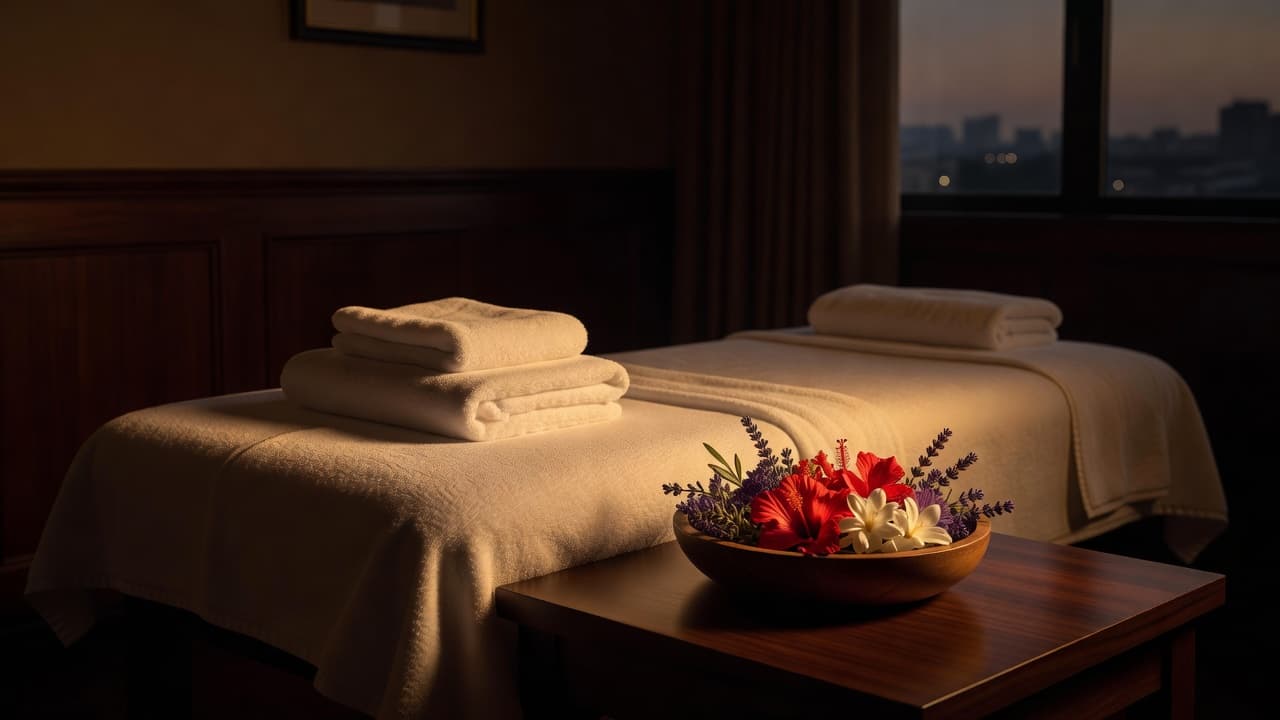 ### A Spa Visit Gives You More Than a Massage
Massage is often the main reason people book a spa appointment, but it is only one part of the experience. The therapist uses pressure, rhythm, and movement to work on areas that feel tight or tired. Swedish massage, for example, uses flowing strokes for general relaxation, while deep tissue massage focuses on persistent tension with firmer pressure.
Body treatments add another layer of care. Exfoliation can smooth dry skin, body polish can refresh the skin’s surface, and a body wrap can create a slower, more pampering session. These treatments don’t need to promise dramatic results to feel worthwhile. Sometimes, caring for your skin helps you feel more comfortable and present in your body.
Beauty care can also fit naturally into a spa visit. A facial, manicure, pedicure, or other beauty treatment may help you look refreshed after a demanding week. For travelers, professionals, and residents preparing for an event, combining services can save time while creating a more complete appointment.
Heat therapies offer a different kind of comfort. A sauna, warm bath, or hot stone treatment can help your muscles feel ready for massage and may make it easier to settle into rest. However, heat isn’t suitable for everyone, so tell the spa about any health concerns before adding it to your session.
If you want to compare the available combinations, you can explore massage treatment packages and see which options fit your preferred session length and level of care.
The Setting Helps Your Body Slow Down
The surroundings matter because relaxation begins before the therapist starts working. Traffic, phone alerts, bright lights, and hurried conversation can keep your mind active even when your body is lying still. A well-kept spa creates a clear separation between those outside demands and the time you have reserved for yourself.
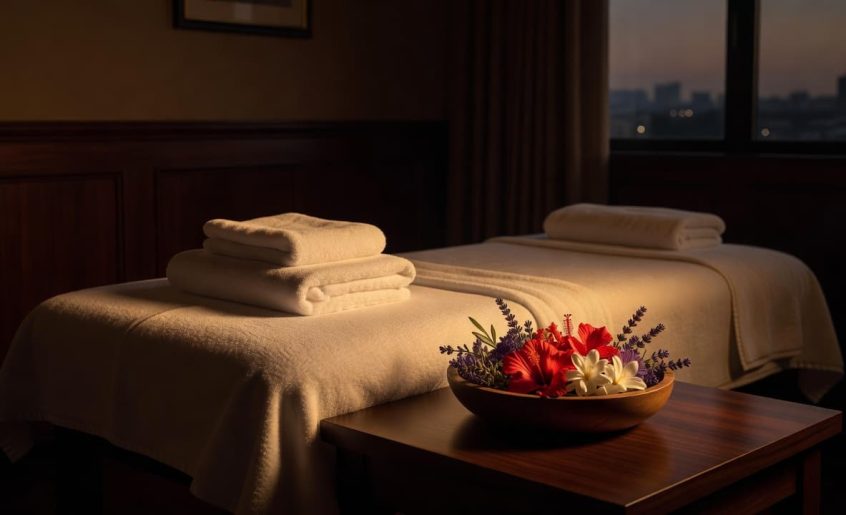
Soft lighting, clean linens, a comfortable temperature, and quiet music can make the room feel easier to enter. Privacy matters just as much. You should know where to change, how draping works, and who will enter the room during your appointment. These details build trust, which allows you to relax without constantly checking your surroundings.
The therapist’s approach is equally important. Before treatment begins, they should ask about your comfort, pressure preferences, injuries, allergies, and areas of concern. During the massage, you should feel free to request lighter pressure, a different position, more coverage, or a pause. Clear communication is part of professional care, not an interruption.
A good appointment also leaves room for transitions. You may need a few minutes to change, drink water, or sit quietly after treatment. When every minute feels tightly scheduled, the calming effect can disappear as soon as you step back into the street. Ask about the full appointment process, not only the advertised treatment time.
A worthwhile spa experience gives you control over your comfort before, during, and after the treatment.
The Benefits Should Feel Practical and Realistic
Many people book massage because they want relief from the physical effects of daily life. Sitting at a desk, commuting, carrying bags, exercising, or sleeping in an awkward position can leave the shoulders, lower back, hips, or legs feeling tense. Massage may help ease that ordinary tightness and encourage your body to rest.
The mental break matters, too. When your attention stays on the therapist’s movements, your breathing, and the quiet around you, you get a temporary pause from work and household responsibilities. That break can support relaxation and improve your awareness of where you hold tension. Some people also find that a calming evening treatment helps them settle into sleep.
Research summarized by the Mayo Clinic Health System’s massage guidance links massage with possible improvements in relaxation, mood, stress, and general feelings of well-being. Results vary, and one appointment won’t solve every source of discomfort. Still, a well-chosen treatment can become a useful part of a personal self-care routine.
Massage is not a replacement for medical diagnosis or treatment. Speak with a qualified health professional before booking if you have a recent injury, unexplained pain, a blood-clotting condition, a serious skin problem, or another concern that could make massage unsafe. You should also tell the therapist about pregnancy, surgery, medication, or chronic health conditions when relevant.
How to Judge Whether the Experience Is Worth the Price
Price matters, but the cheapest option is not always the best value. Compare what the fee includes, such as the treatment duration, therapist consultation, access to heat facilities, refreshments, changing areas, and any additional services. A lower advertised rate may cover a shorter session or exclude extras that you expected.
Before booking, check these practical details:
- Treatment fit: The service should match your goal, whether you want gentle relaxation, focused muscle work, skin care, or a longer pampering session.
- Professional conduct: Staff should explain the treatment, respect boundaries, and respond to your feedback.
- Cleanliness: Fresh linens, tidy rooms, clean equipment, and good hygiene should be standard.
- Clear pricing: Ask whether taxes, add-ons, gratuities, or extra time change the quoted price.
- Convenient timing: Choose a session that gives you enough time to arrive calmly and recover afterward.
A spa and massage experience is worth your time when it helps you feel cared for, comfortable, and more connected to your physical needs. You don’t need an elaborate package every time. Even a simple massage can be valuable when the therapist listens, the setting feels safe, and the treatment matches what your body needs that day.
Which Massage Treatment Fits Your Body and Your Mood?
The best massage in Kilimani depends on what you want to feel when you leave. Are your shoulders tight after a week at your desk, or do you mainly need a quiet hour with slower breathing and softer thoughts? Your answer matters more than choosing the most expensive treatment on the menu.
Massage names can vary between spas, and two providers may use the same name for different techniques. Before booking, ask about the pressure, pace, oils, body areas covered, and what the session includes. A quick conversation helps your therapist shape the treatment around your comfort.
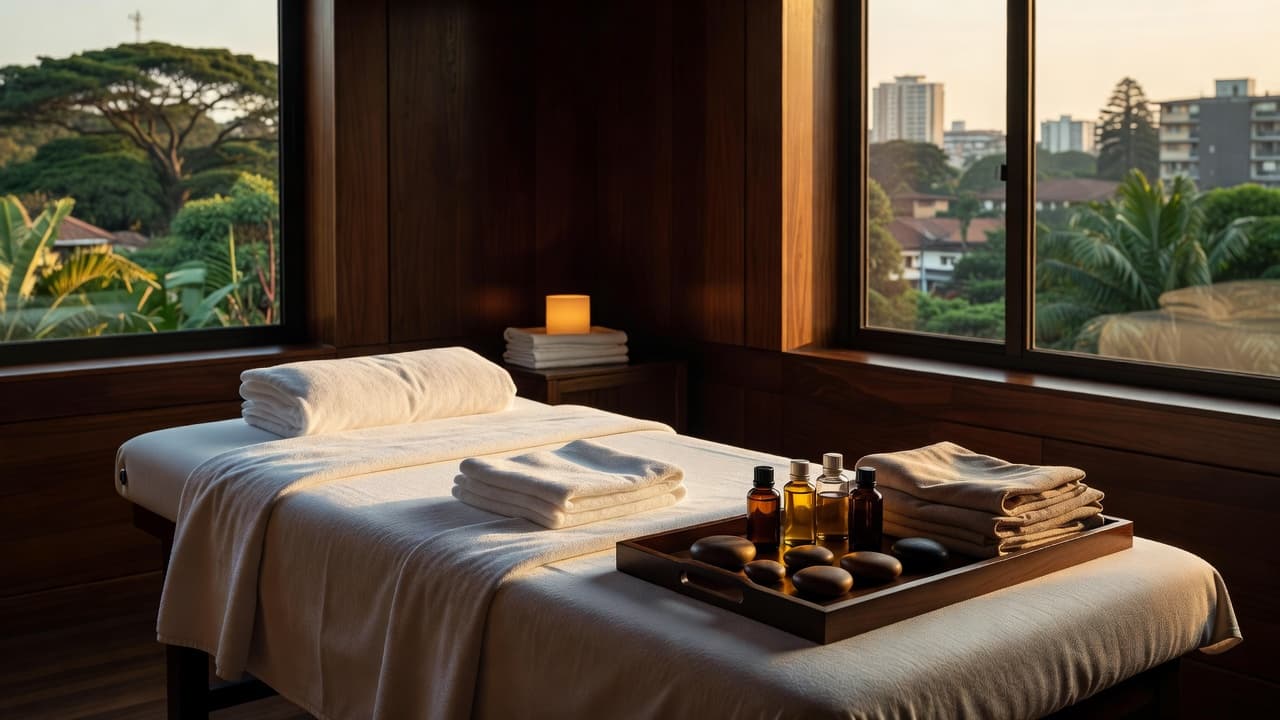 ### Swedish or Relaxation Massage for a Tired Mind
Swedish massage is a comfortable starting point when you want general relaxation. The therapist usually works with long, flowing strokes, gentle kneading, and smooth circular movements. The pace feels steady rather than rushed, while the pressure stays light to moderate.
This treatment suits you if work, commuting, travel, or everyday stress has left your body feeling heavy. It can also be a good choice for a first-time client who wants to understand how massage feels before trying firmer bodywork. You remain aware of the therapist’s movements, but the rhythm gives your mind less to chase.
A relaxation massage may include the back, shoulders, arms, legs, and feet. Some spas add calming oils, soft music, or a longer scalp massage. At Classy Massage & SPA’s relaxing massage service, ask how the session is tailored to your preferences rather than assuming every relaxation massage follows the same routine.
Before booking, ask:
- Is the pressure light, moderate, or adjustable?
- Does the session include the scalp, feet, or abdomen?
- Which oil will the therapist use?
- How much time is actual hands-on massage?
General descriptions of Swedish massage often include relaxation and muscle-tension relief, but your experience depends on the therapist’s technique and your feedback. You can also request firmer work on one area while keeping the rest of the treatment gentle.
Deep Tissue Massage for Persistent Muscle Tension
Deep tissue massage uses slower strokes and more focused pressure on deeper muscle layers. The therapist may spend extra time on the neck, upper back, lower back, hips, or legs, especially where you feel knots or repeated tightness. The pace is usually deliberate, with less gliding than a relaxation massage.
Choose it when your body feels restricted after strength training, long desk hours, repetitive movement, or physically demanding work. It may appeal to people who prefer focused bodywork over a soft, sleepy session. However, deeper pressure should remain controlled and tolerable. Pain is not proof that the treatment is working.
Tell the therapist about recent injuries, sensitive areas, surgery, chronic conditions, or unexplained pain before the session begins. Ask whether the provider adjusts pressure gradually and whether you can request a lighter touch at any point. A reputable therapist should welcome that information.
Deep tissue massage is different from a medical assessment. If pain is sharp, new, severe, or linked to an injury, speak with a qualified health professional before booking. For a helpful comparison of common styles, Healthline’s guide to massage types explains how pressure and technique can differ between treatments.
Aromatherapy Massage for Sensory Comfort
Aromatherapy massage combines massage movements with scented oils. The bodywork often resembles a gentle Swedish massage, although each spa may use its own pressure and routine. The main difference is the sensory experience: the scent, warmth of the oil, music, and slower pace can make the room feel more restful.
This option suits you if mood and atmosphere matter as much as muscle work. You may enjoy it after a demanding week, before a special evening, or whenever familiar scents help you settle. Lavender, citrus, eucalyptus, rose, and other oils can create different impressions, but no fragrance should feel overpowering.
Ask the spa to explain its oil choices before treatment. If you have allergies, asthma, sensitive skin, migraines, or a strong dislike of fragrance, request an unscented oil instead. You can also ask for a patch test if you are unsure how your skin will react.
Clarify whether the price includes a full-body massage or only selected areas. Some spas use “aroma massage” for a light relaxation treatment, while others add stretching, scalp work, or hot towels. The name alone doesn’t tell you the exact method.
Hot Stone Massage for Warmth and Gentle Release
Hot stone massage adds smooth, heated stones to a massage session. The therapist may place them on selected areas or hold them while working over the muscles. The heat can feel comforting, especially when your back, shoulders, or legs feel stiff and cold after a long day.
Many clients choose hot stone treatment for its slower, soothing character. The warmth may help you settle before the therapist applies pressure, so the session can feel less intense than a firm massage with cold hands. Still, the stones should feel pleasantly warm, never painfully hot.
Before you book, ask whether the stones are placed on your body, used as massage tools, or both. Confirm how the spa checks the temperature and whether you can ask for the stones to be removed. Tell the therapist about skin sensitivity, reduced heat sensation, pregnancy, circulatory concerns, or any medical condition that affects your response to heat.
Some spas list hot stone massage as a separate service, while others include it in a package. Check the treatment time, the areas covered, and whether you can combine it with aromatherapy or a body scrub.
Foot, Reflexology, Thai, and Sports Options
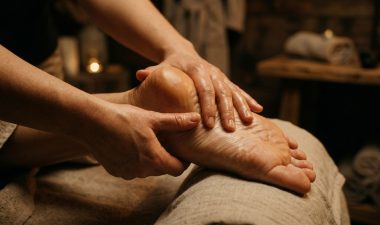
A foot massage can be the right answer when your feet carry you through Nairobi all day. The therapist may use kneading, thumb pressure, stretching, or warm towels around the feet and lower legs. Ask whether the service focuses only on the feet or includes the calves as well.
Reflexology also centers on the feet, but it follows a pressure-point approach. The experience can feel more focused than a general foot massage, with firm attention on particular areas. Names and methods vary, so ask the provider to describe the session in plain language before paying.
Thai massage usually involves assisted stretching, compression, and rhythmic movement. Clients often remain fully clothed, and the treatment may take place on a mat rather than a massage table. It suits people who enjoy active bodywork and movement, but it may feel too demanding if you want stillness or have limited mobility.
Sports massage targets areas stressed by exercise or repetitive activity. The therapist may use a faster warm-up, focused pressure, stretching, and recovery work. Tell the provider what activity caused the tension, when you last exercised, and whether you have an injury. A sports massage should match your training needs, not simply mean “extra hard.”
A Simple Way to Choose Your Treatment
Use your main reason for booking as the starting point:
- You want to relax: Choose Swedish, relaxation, or a gentle aromatherapy massage.
- Your muscles feel tight: Consider deep tissue, sports massage, or a customized firm-pressure session.
- Your feet feel tired: Book a foot massage or ask whether reflexology includes the calves.
- You are sensitive to touch or scent: Request light pressure, unscented oil, clear draping, and regular check-ins.
- You want a special occasion: Ask about hot stones, aromatherapy, singing bowl therapy, or a package that combines massage with body care.
When you call a Kilimani spa, describe how you feel rather than naming a treatment immediately. Say, “My shoulders are tight, but I want a calming session,” or, “I want focused leg work after exercise, without painful pressure.” That gives the therapist useful information and helps you avoid booking a service that sounds right but feels wrong.
How to Choose a Massage Spa in Kilimani With Confidence
Finding a massage spa in Kilimani is easy. Choosing one that respects your comfort, explains its services, and gives you clear value takes more care. A polished website or attractive social media page can start your search, but it shouldn’t make the final decision for you.
Kilimani covers a busy network of streets, apartment buildings, shopping centers, and mixed-use developments. A spa near Kindaruma Road may offer a different setting from one near Chaka Place or Kilimani Ring Road. Before you book, compare the location, treatment menu, therapist communication, hygiene standards, privacy, and total price.
 ### Compare Kilimani Locations, Not Just Spa Names
The street or landmark matters because it affects parking, security, traffic, and how easily you can find the entrance. A spa may advertise “Kilimani” without giving a building name, floor, or clear access instructions. Ask for those details before you leave home.
Kindaruma Road has several residential and commercial buildings, so confirm the exact compound, entrance, and unit. Current online listings also place services around Jade Residency and other Kindaruma Road addresses, but a listing alone doesn’t confirm that the provider remains open or operates from the same location.
Argwings Kodhek Road and Kilimani Ring Road can be convenient if you’re coming from Hurlingham, Upper Hill, or nearby residential areas. However, traffic and limited parking may affect an evening appointment. Ask whether the spa has dedicated parking, visitor registration, or a security procedure at the gate.
Chaka Place is useful for people who prefer a recognizable shopping and dining landmark. Nearby spas may be easier to locate, but convenience doesn’t automatically confirm treatment quality. Check whether the treatment room is private, whether the spa uses fresh linens, and whether staff explain the service before it begins.
You can use Nairobi spa listings and local reviews to discover options, but treat directory information as a starting point. Verify the details with the spa directly, especially if a listing has limited reviews, old photos, or no recent activity.
Check the Service Menu for a Good Treatment Match
A reliable spa should describe what each treatment includes. Look for the expected pressure, session length, body areas covered, products used, and any preparation required. If the menu only uses broad phrases such as “full-body therapy” without explanation, call before booking.
Classy Massage & SPA is a featured option for readers who want a calm, service-focused experience in Kilimani. Its menu includes relaxing and herbal massage, singing bowl therapy, Korean special baths, beauty therapy, trekker’s foot massage, and body-care packages. These choices suit different moods, whether you need a quiet relaxation session, tired-foot care, sensory comfort, or a longer appointment that combines treatments.
You can review the spa and massage services before contacting the team. Still, confirm current service details, availability, session duration, and rates directly. Treatment menus can change, and a package may have different conditions depending on the day or therapist schedule.
When comparing two spas, ask the same questions at both locations:
- How long is the hands-on treatment?
- Can the therapist adjust pressure during the session?
- Are oils, towels, bathing facilities, or refreshments included?
- Does the treatment require advance booking?
- What happens if you arrive late?
- Are there extra charges for upgrades or additional time?
A spa that answers clearly gives you a better basis for comparison. You should understand what you’re paying for before you provide a deposit or arrive for the appointment.
Look for Cleanliness, Privacy, and Professional Boundaries
Your comfort depends on more than a pleasant scent and soft music. Notice how the staff communicate when you make an inquiry. Do they answer your questions patiently, or do they rush you toward payment? Do they explain where to park and how to enter the building?
At the spa, check for clean towels, fresh linens, tidy surfaces, and a treatment room that feels prepared. The therapist should wash or sanitize their hands before treatment. Oils, stones, bowls, and other equipment should appear clean and properly stored.
Privacy also deserves direct attention. Before the massage starts, the therapist should explain changing and draping procedures. You should remain covered except for the area being treated, and you should be able to request more coverage at any time. Professional care includes permission, clear communication, and respect for personal boundaries.
A therapist should ask about injuries, allergies, pregnancy, recent surgery, skin conditions, medication, and pressure preferences. Tell them where you feel tension and where you don’t want firm work. If anything feels painful, uncomfortable, or inappropriate, ask the therapist to stop.
Recent public concern about massage facilities in Kilimani makes it sensible to check privacy and reputation concerns around local spas before visiting. This doesn’t mean every provider has the same standards. It means you should confirm the basics instead of assuming them.
Assess Reviews Without Treating Every Provider Equally
Reviews can reveal useful patterns, but they need careful reading. A long list of vague five-star comments tells you less than detailed feedback about cleanliness, punctuality, therapist skill, communication, and whether the final price matched the quote.
Give more weight to reviews that describe a recent visit and name the service. Look for consistent comments across more than one platform. Photos can help you understand the setting, but they may be outdated or borrowed, so ask whether the pictured room is still available.
Treat a provider with a clear address, working phone number, detailed service menu, and recent customer feedback differently from a listing that only says “Kilimani massage” and requests immediate payment. A spa may be new and still offer good service, but you need more direct verification before committing.
Be cautious when a provider:
- Refuses to give a specific building or entrance location.
- Avoids explaining the treatment or total price.
- Uses unclear language about intimate or erotic services.
- Pressures you to send money before confirming the appointment.
- Has photos that don’t match the location description.
- Cannot explain therapist qualifications or hygiene procedures.
If you’re comparing prices, use them as a guide rather than proof of quality. Local listings may show different rates for independent therapists, in-call sessions, out-call visits, and established spas. A low price may cover less hands-on time, while a higher fee may include facilities or a longer package. Ask for the complete amount in writing.
Book With a Simple Verification Call
A short call can tell you more than an attractive advertisement. Give the receptionist your preferred date, treatment goal, and any health or comfort concern. Then listen to how the team responds.
For example, say, “I want a calming massage with moderate pressure, and I need clear information about parking and draping.” A professional response should address the treatment, location, appointment time, and what you can expect.
Confirm these details before you travel:
- The exact building name, street entrance, and parking instructions.
- The therapist’s availability and the treatment’s actual duration.
- The full price, deposit policy, and accepted payment method.
- Whether the room is private and what the changing process involves.
- The cancellation, rescheduling, and late-arrival rules.
Share your location and expected return time with someone you trust, especially for a first visit or a late appointment. Once the spa answers your questions clearly, the booking process should feel straightforward rather than pressured. A good choice gives you confidence before the massage begins.
What Does a Spa and Massage Visit Cost in Kilimani?
Spa and massage prices in Kilimani vary widely, so you should treat any advertised figure as a guide rather than a universal rate. A short treatment may cost a few hundred shillings, while a full massage, facial, or premium package can run several thousand.
Your final bill usually depends on the treatment type, session length, therapist experience, products used, location, and whether you choose a single service or a package. Before booking, ask for the current total and confirm exactly what the quoted time includes.
 ### Typical Massage Prices in Kilimani
For a standard one-hour massage, a practical working range is about KSh 3,000 to KSh 8,000. Budget providers and shorter appointments may fall below that range, while established spas, experienced therapists, and premium venues may charge more.
A basic Swedish, relaxation, or deep tissue session often sits around KSh 3,000 to KSh 5,000 per hour. Some providers charge closer to KSh 6,000 or KSh 7,000 for specialized treatments, longer appointments, hot stones, or a more private setting.
Current local listings give a useful sense of the spread. Liwa Spa in Kilimani lists Swedish, deep tissue, hot stone, and aromatherapy massages at about KSh 3,500 per hour. Other Nairobi listings show rates near KSh 4,000 to KSh 6,500 for a 60-minute session, depending on the provider and treatment.
Longer sessions usually cost more, although the hourly rate may become better value. A 90-minute massage may range from KSh 6,000 to KSh 7,500, while a two-hour session can reach KSh 8,000 or more. Premium couples packages may cost KSh 8,000 to KSh 12,000 or higher for two people.
| Service or session | Practical price range in Kilimani and nearby Nairobi |
|---|---|
| Short head, seated, or steam service | About KSh 500 and up |
| 30-minute massage | About KSh 2,500 to KSh 3,500 |
| 60-minute standard massage | About KSh 3,000 to KSh 8,000 |
| 90-minute massage | About KSh 6,000 to KSh 7,500 |
| Two-hour massage | About KSh 8,000 and up |
| Couples massage package | About KSh 8,000 to KSh 12,000 and up |
These figures help you set a budget, but they don’t replace a direct price check. Some listings are old, seasonal, promotional, or based on a particular therapist’s availability. For another example of how premium providers present massage and wellness services, you can compare Nairobi spa treatment offerings before deciding what type of experience fits your budget.
Facials, Nails, and Other Spa Services
A spa visit doesn’t always center on massage. Many clients combine bodywork with facial care, manicures, pedicures, waxing, or heat treatments. Those additions can change the total more than the massage itself.
Liwa Spa’s listed holistic facial costs about KSh 6,500 for two hours. That price sits above many basic facial listings, which often fall between KSh 1,500 and KSh 4,000 for cleansing, exfoliation, hydration, or a simple skin treatment. Product brands, treatment steps, skin analysis, and appointment length can all affect the fee.
Nail services are more accessible for many budgets. A basic manicure may cost about KSh 500 to KSh 1,500, while gel, acrylic, nail art, or a manicure and pedicure combination can reach KSh 1,500 to KSh 3,500. Liwa’s listed classic manicure and pedicure costs around KSh 2,000 for two hours.
Short services can appear surprisingly inexpensive. General Nairobi listings include head treatments or steam sessions near KSh 500, although the price may cover only one small service or a limited treatment time. Always ask whether towels, products, facility access, or therapist time are included.
You may also see body scrubs, wraps, waxing, sauna access, and special baths priced separately. A massage advertised at KSh 3,500 could become KSh 5,000 or more after adding steam, aromatherapy, hot stones, or a body-care treatment.
Why Two Spas Charge Different Prices
Price differences often make sense once you compare what each appointment includes. A therapist’s experience is one factor, especially for deep tissue, sports massage, prenatal work, and treatments that require careful pressure control.
The setting also affects cost. A private room in a polished spa may cost more than a short seated massage in a salon or shared treatment area. Rent, staffing, linens, laundry, oils, imported products, equipment, and appointment support all form part of the business’s operating cost.
Session length matters, but advertised time can be confusing. Ask whether a 60-minute booking means 60 minutes of hands-on massage or a full appointment that includes consultation, changing, and cleanup. If the therapist spends 10 minutes on preparation, the actual massage may be shorter.
Packages can offer savings when you already want several services. A massage, body scrub, and steam combination may cost less than booking each service separately. However, a package isn’t automatically a bargain. Check the total treatment time, expiry date, booking restrictions, and whether the services can be changed.
The clearest price is the complete amount for the exact service you want, including every add-on and condition.
How to Confirm the Real Cost Before Booking
A quick call or message can prevent an awkward surprise at reception. Tell the spa which treatment you want, how long you prefer, and whether you are considering add-ons. Then ask for the full price in Kenyan shillings.
Confirm these details:
- The treatment’s exact duration and hands-on time.
- Whether the quoted price applies to one person.
- The pressure style, products, and body areas included.
- Any extra charge for steam, hot stones, aromatherapy, or special oils.
- Whether taxes, service fees, transport, or gratuity are separate.
- The deposit, cancellation, late-arrival, and rescheduling rules.
- Whether the rate is current or part of a limited promotion.
If you want a brief option between work or errands, compare the price of a 10-minute seated massage therapy with a full appointment. A shorter service may suit a quick break, while a longer session gives the therapist more time to work through several areas.
Prices also change when you request an out-call appointment. Mobile massage may include transport, travel time, setup, and equipment, so it can cost more than an in-studio visit. For a couples booking, ask whether the spa assigns two therapists and whether the price covers the room, refreshments, or additional facilities.
Finally, check the provider’s current menu directly before sending a deposit. Social media posts and directory listings can remain online after a promotion ends. Even a price published recently may change because of therapist schedules, product costs, or package updates. A clear confirmation message gives you a reliable figure and lets you arrive prepared.
How to Prepare for a Better Massage and Spa Day
A little preparation can make your spa and massage appointment feel calmer, more comfortable, and more personal. The goal is simple: arrive with enough time, share useful information, and give yourself space to enjoy the treatment without rushing back into Kilimani traffic.
Whether you live nearby, work in an office along Argwings Kodhek Road, or are visiting Nairobi, prepare for the whole appointment rather than only the massage itself. Booking details, clothing, food, communication, and aftercare all shape how you feel when you leave.
Book the Right Service and Time
Start by choosing a treatment that matches your reason for visiting. If your shoulders feel tight after desk work, mention that when you book. If you want a peaceful break, ask for a relaxation or aromatherapy massage. Clients combining massage with a facial, manicure, pedicure, or body treatment should ask how long the complete appointment will take.
Before confirming, check:
- The treatment name, price, and total appointment time.
- The actual hands-on massage time.
- Whether oils, towels, steam, or other extras cost more.
- The spa’s cancellation and late-arrival policy.
- Parking, building access, and payment options.
- Whether you need to arrive early for forms or changing.
A short message can prevent confusion: “I’d like a 60-minute relaxing massage with moderate pressure. Please confirm the current price, arrival time, and parking instructions.” You can also book your massage appointment directly with the spa team if you need help choosing a service.
Schedule the appointment when you can leave room before and after treatment. A massage squeezed between two meetings may leave you watching the clock instead of settling into the experience. For office workers, a late-afternoon or early-evening booking can work well, but allow extra travel time around busy roads and building entrances.
If you’re booking beauty care on the same day, ask about the best order. A massage may work well before a manicure or pedicure, while facial products, body scrubs, or heat treatments may require different timing. The spa can help arrange the services without creating a rushed schedule.
Prepare Your Body Before Leaving Home
A light meal or snack about one to two hours before your appointment can help you feel comfortable. Choose something easy to digest, especially if you’ll spend time lying face down. Avoid arriving overly full or very hungry, and skip alcohol before the session.
Drink water during the day, but don’t force large amounts immediately before treatment. Use the restroom before entering the treatment room so you can relax without an interruption. A warm shower can also help you feel fresh and ready. Viva Day Spa’s pre- and post-massage guidance also recommends arriving clean and comfortable before treatment.
Wear loose clothing that is easy to change out of and back into. Leave bulky jewelry at home, tie back long hair, and avoid heavy fragrance, body oil, or greasy lotion. Strong scents can linger in a small room, while excess products may affect the therapist’s grip and the treatment itself.
You don’t need to shave or make special changes to your body before a regular massage. Simply arrive clean and dressed for comfort. If you’re booking a body scrub or facial, ask whether the spa has any product-specific instructions.
Silence your phone before treatment begins. Kilimani’s traffic, work messages, and notifications can wait for an hour. A few slow breaths in the reception area can help you shift attention away from errands and toward your own comfort.
 ### Arrive Early for the Consultation
Aim to arrive 10 to 20 minutes early, especially for your first visit. That extra time helps you find the entrance, handle parking or security procedures, complete any intake form, and use the restroom. It also gives your body a chance to slow down after the journey.
At reception, confirm the treatment and price before you change. If the spa offers several packages, make sure the staff understand which services you selected. Ask whether the appointment includes a consultation, changing time, and post-treatment rest.
The consultation is your chance to share information that affects comfort and safety. Tell the therapist about recent injuries, surgery, pregnancy, skin irritation, allergies, medication, or any area that feels sensitive. You don’t need to provide a long medical history, but relevant details help the therapist adjust the session.
Be clear about your preferences. You might say:
- “Please use light pressure on my lower back.”
- “My shoulders need focused work, but I don’t want painful pressure.”
- “I prefer unscented oil.”
- “Please avoid my knees and feet.”
- “I’d like you to check in before increasing the pressure.”
Consent applies throughout the appointment. You can change your mind, request more coverage, ask for a pause, or end the session at any time. A professional therapist should respond without making you feel awkward or guilty.
Your comfort is part of the treatment. Speaking up helps the therapist give you better care.
Know What Happens During Changing and Massage
The therapist should explain where to change and what level of undress the treatment requires. You normally remove only the clothing needed for the areas being treated, then cover yourself with a sheet or towel. You should remain covered except for the area receiving attention.
If you prefer to keep more clothing on, say so. A therapist can often adapt the massage to loose shorts, a tank top, or other comfortable clothing, depending on the service. For Thai massage or foot treatments, the changing process may differ, so ask before the session begins.
Once you’re on the table, settle into a position that feels comfortable. The therapist may ask whether the room temperature and pressure feel right. Answer honestly rather than trying to be polite. Pressure that feels too strong can make your muscles tense, which defeats the purpose of a relaxing session.
During the massage, use simple words such as “lighter,” “more pressure,” “slower,” “please stop,” or “that area is sensitive.” You don’t have to wait until the end to give feedback. If the music, scent, temperature, or position bothers you, mention it promptly.
When combining massage with beauty care, keep track of product sensitivities. Tell the team if a facial product stings, a scrub feels too rough, or a nail treatment’s scent makes you uncomfortable. Good service includes adjustments.
Leave Slowly and Care for Yourself Afterward
After the massage, take a few minutes to sit up slowly and notice how you feel. Drink some water, gather your belongings, and avoid jumping straight into a demanding task if your schedule allows. A short pause can make the transition back to work, travel, or home feel easier.
Some people feel relaxed immediately, while others notice mild tenderness after firm bodywork. Keep the rest of the day comfortable when possible. Gentle movement may feel better than an intense workout, especially after deep tissue or sports massage. If you experience sharp, unusual, or persistent pain, contact a qualified health professional.
Before leaving, confirm any follow-up advice, product instructions, or remaining balance. You can also tell the spa what worked well and what you’d change next time. That feedback helps the team tailor future visits.
The best aftercare is practical: drink water normally, eat when you’re hungry, rest if you feel tired, and avoid scheduling more pressure than your body wants. When you plan the journey home and leave a little breathing room, your spa day can remain calming even after you step outside.
Conclusion
The best spa and massage choice in Kilimani depends on what you want from the appointment. Consider your main goal, preferred pressure, comfort needs, available time, and budget before selecting a treatment. A relaxing massage may suit a stressful week, while focused bodywork or foot care may be more useful after long hours at a desk or on your feet.
Before booking, check the current price and confirm what the session includes. Ask clear questions about hands-on time, add-on fees, parking, privacy, hygiene, and the therapist’s approach. A clean, professional setting should make you feel comfortable, while open communication during the massage allows the therapist to adjust pressure, scent, temperature, and positioning to suit you.
Classy Massage & SPA is a local Kilimani option for massage, body care, beauty therapy, and specialty wellness treatments. Its menu gives clients room to choose between simple relaxation, targeted care, and longer spa experiences. When you’re ready, book a treatment that fits your schedule and feels realistic for your body and budget. The most rewarding spa visit is one that leaves you calmer, comfortable, and ready to return to your day at your own pace.