
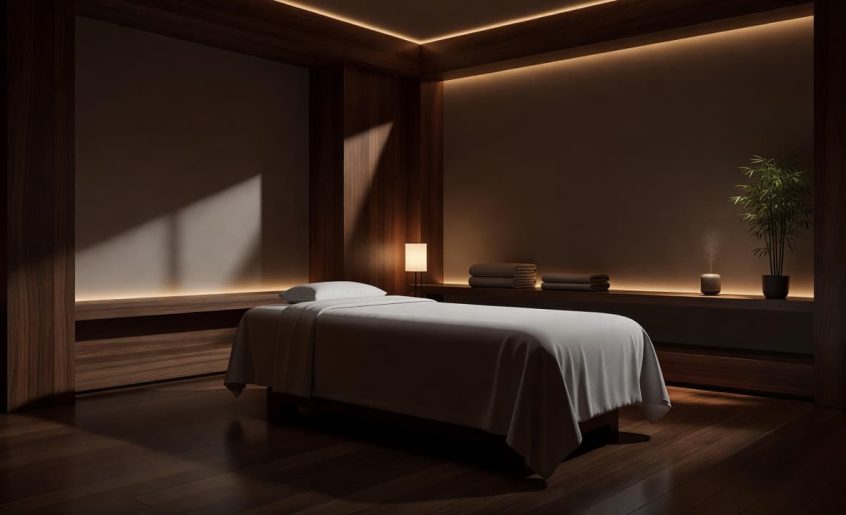
Massage Benefits, Styles, and How to Choose Well
A good massage does more than soften tight shoulders for an hour, it gives your body a chance to settle, reset, and breathe again. People keep coming back to it because the results feel both immediate and practical, whether they want less stress, looser muscles, better sleep, or a calmer mind after a long week.
When your neck feels stiff, your back feels heavy, or your thoughts won’t slow down, massage can meet all of that with steady pressure and human care. It’s one of those wellness habits that feels pleasant in the moment and still matters later, especially when you want support with soreness, recovery, or the kind of fatigue that lingers even after rest.
The best massage isn’t only about relaxation, it’s about helping your body function better day to day.
There’s also a reason massage keeps showing up in conversations about overall wellness. Research has linked it with lower stress, reduced pain, and better sleep, which is why many people treat it as more than a treat, they treat it as part of staying well. If you want a clearer view of those effects, start with the science-backed benefits of regular massage, then keep reading.
What massage really does for the body and mind
Massage works on two levels at once. Your muscles feel the pressure, but your nervous system feels the pause. That is why one session can leave you looser, calmer, and more aware of where your body has been holding strain.
The effects are simple, but they add up fast. Touch, rhythm, and steady pressure can ease tension, improve circulation, and help your body shift out of its alert, braced state. Over time, regular massage can also help you notice tight spots earlier, before they turn into nagging discomfort.
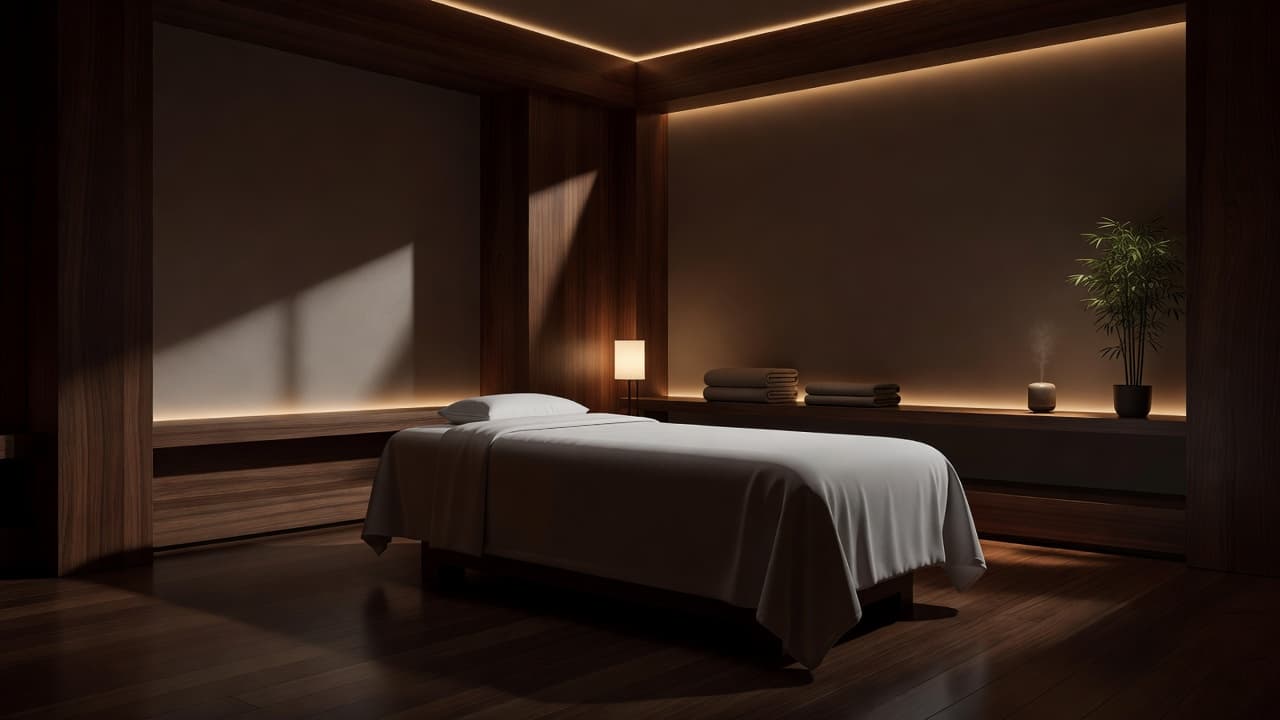 ### How massage helps muscles, circulation, and stiffness
When muscles stay tight for too long, they can start to feel short, stiff, and stubborn. Massage helps by applying pressure that encourages those tissues to soften, which can make movement feel easier and less guarded.
It also supports blood flow. Better circulation brings oxygen and nutrients into tired tissues, while helping carry away the waste products that build up after long workdays or hard workouts. That is part of why sore legs, a clenched neck, or a heavy lower back often feel lighter after a session.
Massage can also ease that cramped feeling that builds after sitting too long. If you spend hours at a desk or train hard several times a week, your body can start to feel like a bent wire that never fully springs back. A good session gives those areas a chance to open up again.
The physical relief often shows up in small but useful ways:
- Less stiffness when you stand, stretch, or turn your head
- Looser tissue around common tension spots like the shoulders, calves, and back
- Smoother movement after long periods of sitting or repetitive activity
- Less post-workout heaviness when your muscles feel tired but not injured
Research also points to changes in the way massage affects muscle tension and circulation. One review in PubMed notes increased blood flow, reduced muscle tension, and a calmer stress response after massage therapy. For a closer look, see the study on massage mechanisms and performance.
Tight muscles often feel like a warning sign the body has been carrying more than it should.
Why massage can lower stress and help you sleep better
A massage room changes the pace of the whole body. The lights are softer, the touch is steady, and the breathing usually slows without much effort. That calm setting matters, because the body takes cues from its environment.
As pressure stays consistent, many people naturally exhale more fully and stop holding their breath in small, shallow bursts. That slower breathing helps the nervous system settle, which can ease the sense of mental noise that follows a busy day. In plain terms, your body stops acting like it needs to stay on guard.
This shift can lift mood too. When stress drops, your thoughts often feel less crowded and your body feels less ready to flinch. That is one reason massage can support sleep, especially if stress is the main thing keeping you awake.
A quieter nervous system can make bedtime easier in a few ways:
- Your muscles are less braced.
- Your breathing is slower and more regular.
- Your mind has fewer signals telling it to stay alert.
The result is often a smoother slide into rest, not just a short-lived sense of calm. Better sleep after massage can also help the next day feel less strained, since tired bodies tend to carry tension more easily.
When massage feels soothing, and when it feels truly restorative
A single massage can feel wonderful on its own. It can break up a tense week, ease soreness, and give you a clear sense of relief before you walk out the door. That immediate comfort matters, because sometimes that is exactly what your body needs.
Regular massage does more than create a nice hour on the table. When you return on a steady schedule, your body starts to recover with less buildup between sessions. Tight shoulders may tense up less sharply, recovery after exercise may feel smoother, and you may notice stress earlier instead of letting it pile up.
That is where the longer-term value shows up. Massage becomes less of a one-time treat and more of a maintenance habit, like stretching, hydration, or good sleep. Your body begins to recognize the rhythm, and that consistency can help you feel more balanced overall.
A regular routine may help in practical ways:
- Recovery stays ahead of soreness instead of chasing it after it gets bad
- Posture-related tension gets attention before it spreads
- Stress loads feel more manageable across busy weeks
- Body awareness improves, so you notice tightness sooner
That awareness matters more than people think. Once you can feel where tension starts, you can respond before it settles in. Massage does not just comfort the body, it teaches you to listen to it more closely.
For readers who want to go further into the emotional side of massage, aroma therapy and its effects is a useful next step, especially if scent plays a role in how you relax.
The most popular massage styles and what each one feels like
Different massage styles create very different experiences. Some feel slow and cloud-like, others feel focused and intense, and a few sit somewhere in between. If you know what each type is meant to do, it becomes much easier to choose the one that fits your body, your energy, and your comfort level.
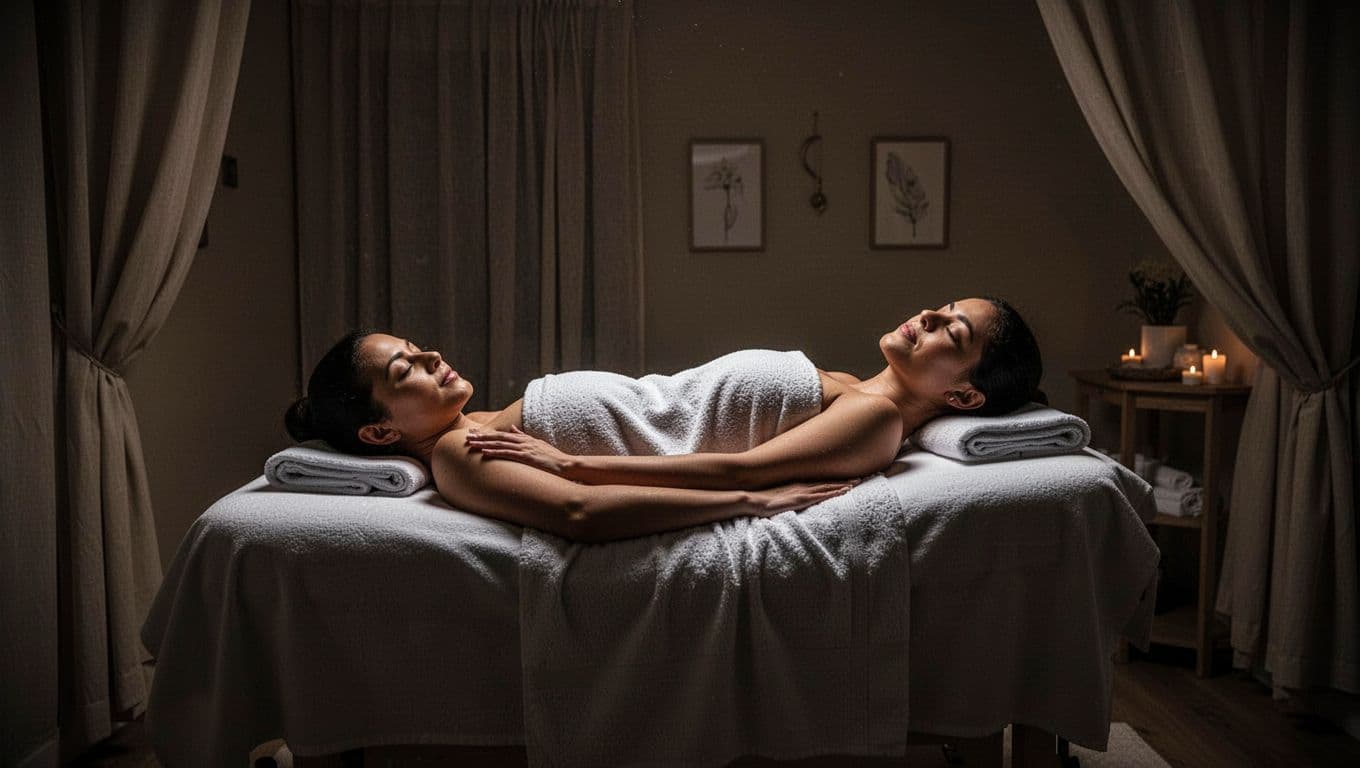 Some people want pure comfort after a hard week. Others want help with stubborn knots, training soreness, or a body that feels too tight to move easily. The best choice is the one that matches what your body is asking for right now, not just the style with the prettiest name.
Relaxation massage for stress relief and a lighter mood
Relaxation massage is the go-to choice when you want calm, comfort, and a slower pace. The pressure is usually soft to medium, and the flow stays steady and unhurried, which helps the whole body unwind without feeling pushed.
This style often feels like a long exhale. Your muscles soften gradually, your breathing settles, and the table starts to feel less like furniture and more like a quiet place to reset. Many people choose it when stress is high, sleep has been poor, or the week has left them mentally frayed.
It works best when the goal is general ease rather than problem-solving a specific knot. If you want to step out feeling lighter, calmer, and less overloaded, this style fits well. For many guests, it is the most comforting first massage experience.
A relaxing session often feels best for people who want:
- A gentle touch that never feels harsh
- A slower rhythm that helps the mind settle
- Full-body comfort instead of deep pressure
- Relief from stress without soreness afterward
For a closer match to this style, book a relaxing massage session when your main goal is to switch off and let your body recover at its own pace.
Deep tissue massage for tight spots and stubborn tension
Deep tissue massage goes after the places that stay tight no matter how much you stretch. It uses firmer, more focused pressure to work through knots, long-term stiffness, and tension that sits deeper in the muscles and connective tissue.
The feeling is more intense than relaxation massage, but it should still stay controlled. Good deep tissue work can feel like a strong, steady press that finds the exact line of tension, then eases through it slowly. It should not feel sharp or painful, because pain usually means the pressure is too much.
People often choose this style for tight shoulders, a stiff lower back, or areas that feel locked after long hours of sitting. It can also help when the body has built up hard-to-reach tension that gentler work does not fully touch.
Deep tissue massage should feel strong, not punishing. If it hurts, the pressure needs to change.
If you want a treatment that gets specific, this is the style most likely to feel like it is working on the spots you can actually point to. For readers comparing session types, view our massage service plans to see how deeper work and other options are organized.
Sports massage for recovery, mobility, and training support
Sports massage is designed for active bodies. It often focuses on muscles that work hard during training, repetitive movement, or sport-specific activity, so it feels purposeful and targeted rather than purely soothing.
The pressure can vary, because the therapist may use lighter work for warm-up and mobility, then firmer pressure for recovery and tight areas. What many people notice most is that the body feels less heavy afterward, with movement that seems a little freer and less sticky.
Recent research supports that sports massage can help with delayed soreness, recovery, and training support. It has also been linked with lower cortisol immediately after a session, although that stress-hormone effect is usually small and short-lived in adults. The stronger evidence is for reduced delayed-onset muscle soreness and faster recovery, especially in the 24 to 48 hours after exercise. For a broader look at how massage helps active bodies, the American Massage Therapy Association outlines its role for people who exercise regularly.
That timing matters. Sports massage is often useful 24 to 48 hours after exercise, especially after tough workouts, races, or training blocks. It can also work well when you want to stay mobile without turning recovery into another workout.
Active people often prefer sports massage when they want:
- Less soreness after training
- Better mobility around worked muscles
- Help with recovery after a heavy session
- Focused care that supports performance
For readers who want a more general overview of the bodywork side of recovery, the latest research on massage for exercise recovery offers useful context on muscle repair and performance.
Specialty massage options that go beyond the basics
Some guests want something more atmospheric than a standard table session. That is where specialty treatments come in, especially if the goal is not just muscle relief but also a certain mood, ritual, or spa experience.
Foot massage is one of the simplest options, and it often feels grounding and restorative. It suits people who spend a lot of time on their feet, travel often, or just want focused relief without a full-body session. The work can feel soothing, precise, and almost sleepy by the end.
Herbal massage therapy brings a warmer, more sensory feel. The oils, compresses, or herbal elements can make the session feel richer and more immersive, which appeals to guests who want a spa treatment that feels a little more special. Singing bowl therapy is different again, with sound and vibration creating a quiet, meditative atmosphere that many people find calming in a way that plain silence is not.
These specialty options often suit people who want:
- A gentler spa-style experience
- A treatment centered on mood and atmosphere
- Relief in one area, like the feet or shoulders
- Something more ritual-like than clinical
When you are choosing, the question is simple: do you want calm, pressure, recovery, or a more sensory spa escape? Once you know the answer, the right massage style becomes much easier to spot.
How to choose the right massage for your body and goals
Choosing a massage gets much easier when you stop thinking in menu names and start thinking in outcomes. Do you want to settle your nerves, loosen a tight lower back, recover after a workout, or simply give yourself an hour of quiet care? The right choice usually becomes clear once you name the result you want.
A good session matches your body on that day, not a generic idea of what massage “should” be. Pressure, pace, and focus all matter, because a massage that feels perfect for one person can feel wrong for another. If you want a quick reference before you book, you can also compare options with massage therapy pricing alongside the style that fits your goal.
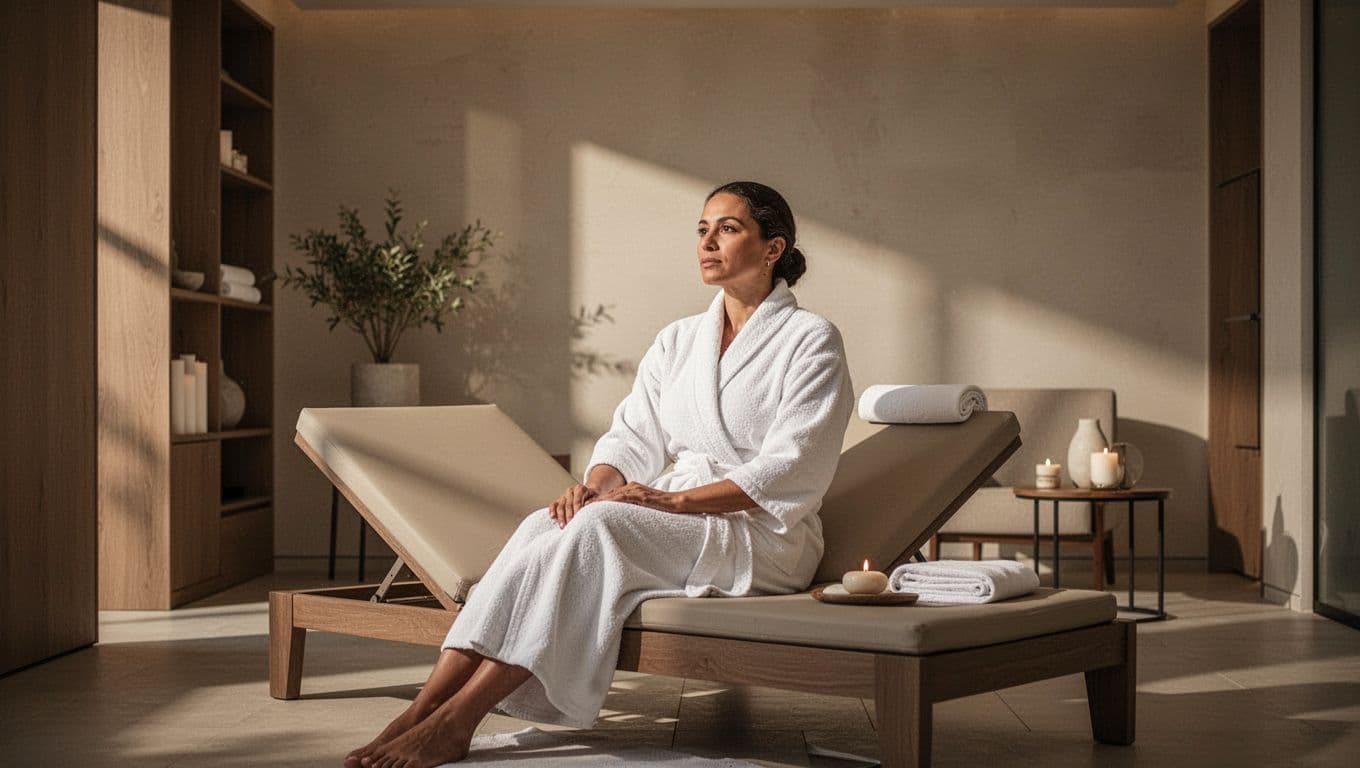 ### Choose based on your main goal, not just the menu name
If your main goal is calm, a relaxation massage is usually the best starting point. It uses smoother strokes and lighter pressure, so your body can settle without feeling worked over. That makes it a strong fit for stress, mental fatigue, and days when you want to feel lighter instead of deeply treated.
If pain relief is the priority, look at the source of the discomfort. Deep tissue massage works better for stubborn knots, chronic tension, and areas that feel locked up, while a softer style may help more if the pain feels tied to stress or general tightness. A person with desk-related shoulder tension often needs something different from someone who finished a hard training block.
For movement and exercise recovery, sports massage fits best. It focuses on muscles that have been pushed hard, so it can help with soreness, stiffness, and mobility after training. People who exercise regularly often feel best when they book this style after a hard session or race, when the body needs support rather than a gentle reset.
Some common goals and the massage styles that match them:
- Calm and stress relief: Relaxation massage, aromatherapy massage, or singing bowl therapy
- Tight muscles and stubborn knots: Deep tissue massage or trigger-point work
- Post-workout recovery: Sports massage or targeted muscle work
- General self-care: A lighter full-body massage with moderate pressure
- Foot fatigue or standing all day: Foot massage or focused lower-leg work
The clearest way to choose is simple, tell the therapist what you want your body to feel like when you leave.
If you are unsure, start with the gentlest style that still matches your goal. You can always ask for more focus or firmer pressure during the session, but it is harder to recover from a treatment that feels too intense.
Questions to ask before you book a session
A few direct questions can save you from booking the wrong massage. Most spas and therapists expect them, and the answers help them shape the session around your body instead of guessing.
Before you confirm, ask about these basics:
- What pressure level do you recommend for my goal?\
This tells you whether the session should be light, medium, or firm. - Can you focus on specific areas?\
If your neck, shoulders, lower back, or legs need attention, say so early. - How long should the session be?\
A short booking may work for one area, but a full-body reset usually needs more time. - What should I expect for comfort and draping?\
This helps you feel relaxed before you get on the table. - Are there any health concerns I should mention first?\
Share pregnancy, recent injuries, inflammation, skin conditions, or anything else that could affect treatment.
A therapist can work much better when you are clear about your comfort level. If you like softer work, say that. If you want the session to stay on the lighter side, say that too. The same goes for firmer pressure, because “medium” means something different to every pair of hands.
It also helps to mention what has not worked before. If deep pressure leaves you sore for days, that is useful information. If you always feel better after focused work on the calves or shoulders, say that as well. For more context on how different techniques are commonly used for specific needs, WebMD’s massage therapy guide is a helpful reference.
When to speak up during the massage itself
Communication matters just as much once the session begins. A massage should feel productive, not like you have to endure it. If the pressure is too strong, too light, or simply uncomfortable, say something right away.
Small adjustments often make a big difference. A therapist can usually ease up, slow down, or shift to a different area without breaking the rhythm. That keeps the session useful and helps your body stay relaxed instead of bracing against the work.
Say something if you notice:
- Sharp pain instead of steady pressure
- A ticklish or tense response that makes it hard to relax
- Pressure that feels too light to reach the area you asked about
- Numbness, tingling, or a pulling sensation that does not feel right
- Discomfort from body position, pillows, or face cradle setup
You do not need to wait until the end. A simple “a little lighter” or “can you stay on this spot a bit longer?” is enough. Good communication helps the therapist tune the session like a radio dial, not force it into one fixed setting.
The best massage is one that matches your body while it is happening, not one you try to justify afterward. When you choose by goal, ask practical questions before you book, and speak up during the session, you give yourself a much better result.
A look at Classy Massage Spa and what makes the experience stand out
A great Massage experience starts long before the first stroke. It begins with the feeling you get when you walk in, the pace of the welcome, and the sense that the space is built for calm.
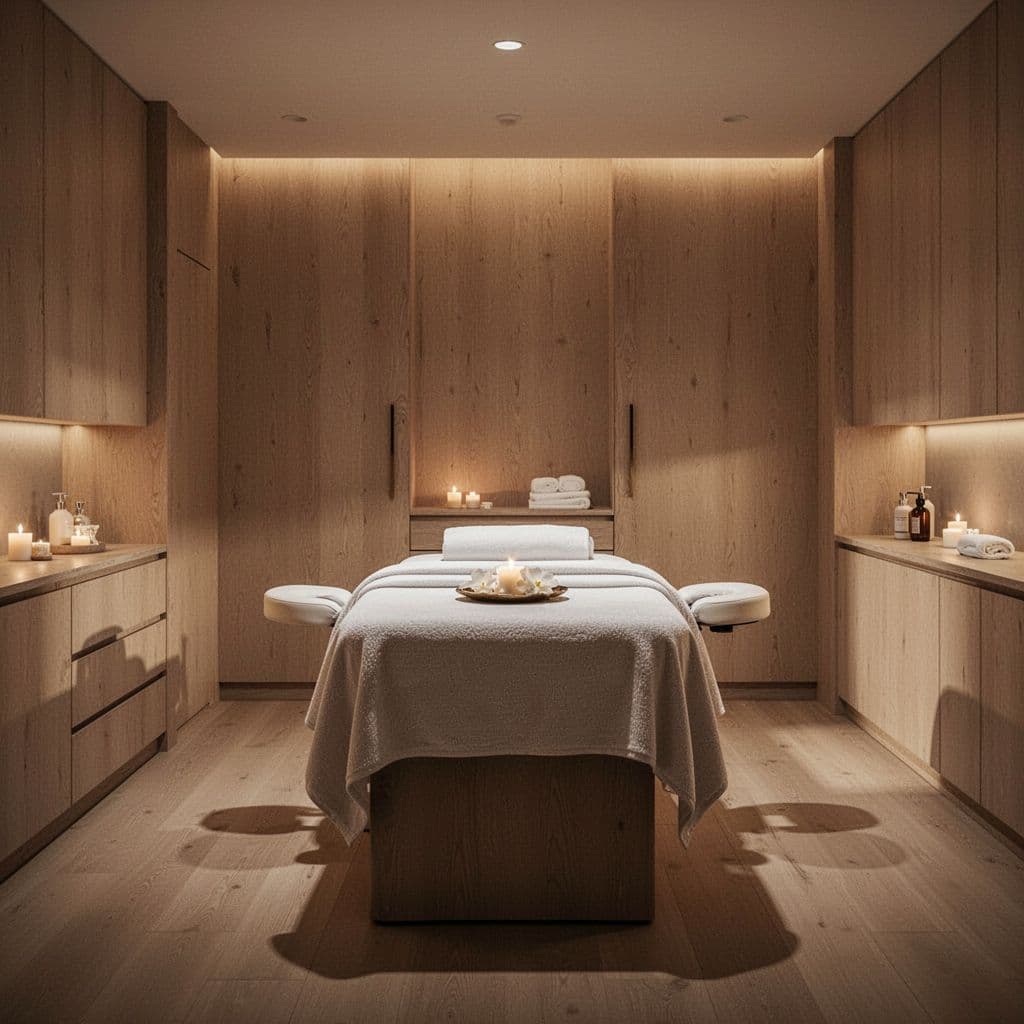
Classy Massage Spa leans into that first impression. The setting is quiet and polished, with a calm rhythm that helps the day drop away at the door. For many people, that matters as much as the treatment itself, because the body relaxes faster when the room already feels safe, clean, and unrushed.
 ### The spa atmosphere people look for before they even lie down
People often judge a spa within the first minute. They notice the lighting, the sound level, the scent in the air, and the way they are greeted. If those details feel calm and thoughtful, the rest of the visit usually follows that same tone.
Classy Massage Spa focuses on that kind of atmosphere. The space is designed to feel serene rather than busy, which helps guests switch off from traffic, deadlines, and the constant noise of daily life. A peaceful room does not just look nice, it helps the nervous system settle before treatment even begins.
Welcoming service matters just as much. When staff greet guests with clarity and warmth, the whole experience feels easier. There is less guesswork, less tension, and more trust, which makes it simpler to relax on the table and stay present through the session.
That is one reason many spa-goers return to the same place. They want consistency. They want to know the room will be calm, the experience will feel organized, and the transition from outside stress to inner quiet will feel smooth.
A strong spa experience is often built in the first few moments, not just during the massage itself.
For readers who want a broader look at what customers value in spa visits, spa customer experience insights offer a useful comparison point.
Services that support both relaxation and recovery
Classy Massage Spa stands out because the menu covers more than one kind of need. Some guests arrive wanting pure relaxation, while others want help with soreness, body fatigue, or specific tension points. A strong spa menu gives both groups a place to land.
The range here includes relaxing massage, foot massage, herbal massage therapy, singing bowl therapy, Korean special bath, and beauty therapy. That mix gives the spa a comfortable balance between wellness care and quiet indulgence. You can book a treatment that helps you unwind, or choose one that feels more targeted and restorative.
A few of the options appeal to different goals:
- Relaxing massage works well when you want to slow down and release stress.
- Foot massage is useful after long hours standing, walking, or traveling.
- Herbal massage therapy adds a richer, more sensory feel to the session.
- Singing bowl therapy suits guests who want a calmer, meditative mood.
- Korean special bath brings a more spa-ritual feel to the visit.
- Beauty therapy adds another layer for guests who want care that goes beyond muscle relief.
This kind of menu matters because massage is not one-size-fits-all. A tired office worker, a frequent traveler, and someone recovering from training soreness will not all want the same thing. Classy Massage Spa gives those different needs room to breathe.
The service mix also helps the spa feel complete. Instead of treating massage as a single fixed offering, it becomes part of a wider wellness visit. That makes it easier for guests to return for different reasons, depending on how their body feels that week.
For a useful look at how the service menu fits into the broader business, massage service details can help readers compare options before booking.
Why local convenience matters when booking repeat visits
A spa feels more usable when it is easy to reach. That sounds simple, but convenience is often what turns massage from an occasional splurge into a real habit. If a place is nearby, easy to contact, and clear about its hours, people are more likely to book again.
Classy Massage Spa is positioned as a local option in Nairobi, with a presence in Kilimani that makes it practical for repeat visits. That location matters because it reduces friction. You do not have to plan an entire day around the appointment, which makes it easier to fit care into a normal week.
Clear business details also help. When hours are easy to find and contact information is straightforward, booking stops feeling like a chore. Guests can ask a question, check availability, and make a plan without a lot of back-and-forth.
That ease changes the way people think about massage. Instead of saving it for a special occasion, they start to see it as something they can do regularly, the same way they might schedule a haircut, a workout, or a wellness appointment. The habit becomes realistic because the logistics are simple.
Here is what usually makes repeat bookings easier:
- The spa is close enough to visit without major travel stress.
- The hours are clear, so planning feels straightforward.
- Contact details are easy to find, which shortens the booking process.
- The experience feels consistent, so returning feels worthwhile.
For many people, that combination is the difference between a nice idea and an actual routine. A local spa that feels calm, organized, and easy to reach has a better chance of becoming part of real life, not just a once-in-a-while treat.
Classy Massage Spa fits that pattern well. It brings together comfort, care, and practical access, which is exactly what many guests want when they look for a place they can trust again and again.
How to get the most from every massage session
A good massage starts before you lie down and lasts long after you leave the table. The small choices around it, what you eat, how clearly you speak up, and how you treat your body afterward, shape the whole experience.
If you want each session to feel smoother, more comfortable, and more useful, treat it like recovery, not just an appointment. A little preparation helps your muscles relax faster, and good aftercare helps the benefits settle in instead of fading by dinner time.
 ### Simple ways to prepare before you arrive
Start with hydration. Drink water through the day before your appointment, because well-hydrated muscles usually respond better to touch and feel less resistant under pressure. Avoid showing up dehydrated, especially if you have a deep tissue session ahead.
Eat lightly, too. A heavy meal can leave you uncomfortable on the table, while an empty stomach can make you feel weak or distracted. A small meal or snack, like yogurt, fruit, or something with light protein, is usually enough.
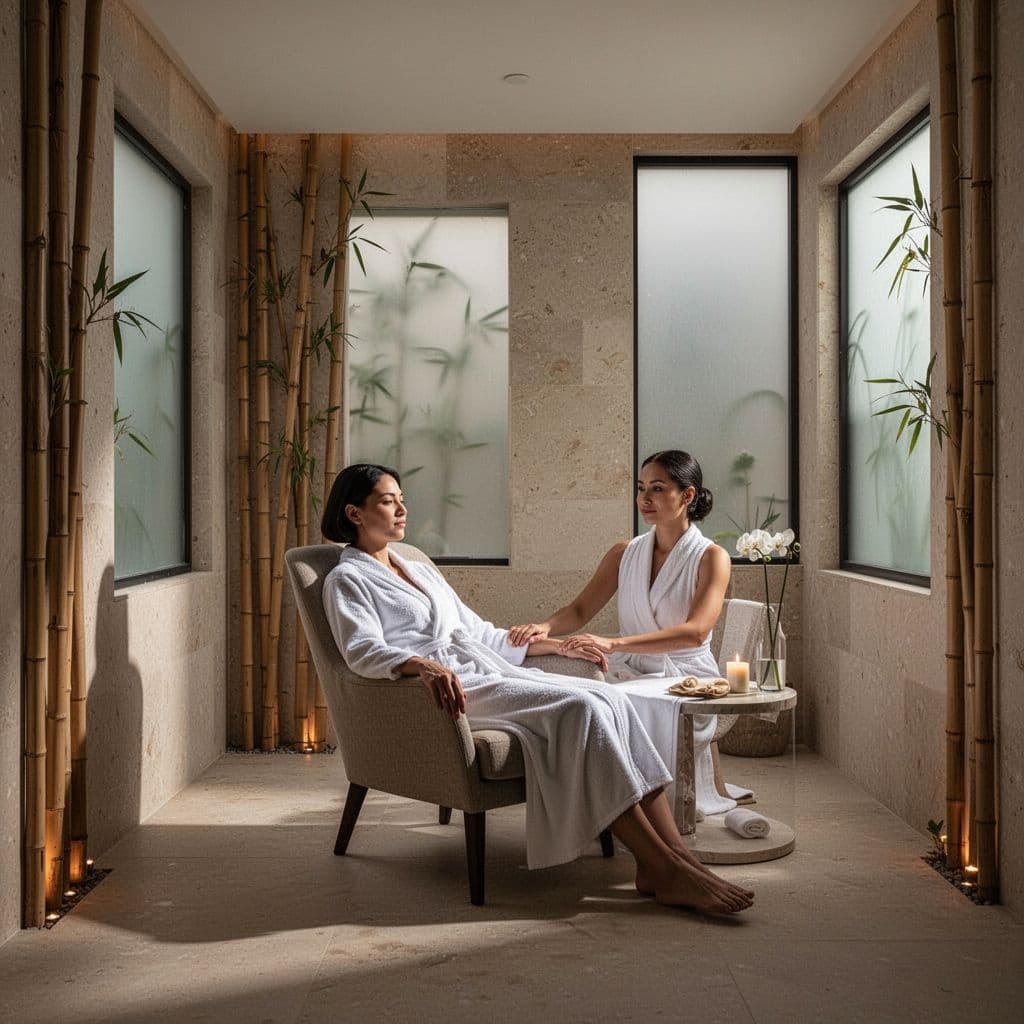
Arriving a little early helps more than people expect. Those extra minutes give you time to settle your breathing, use the restroom, and shift out of rush mode before the massage starts. That calm transition matters, because tension often hangs on when your body still feels hurried.
Before the session begins, share any pain points or health concerns clearly. Mention recent injuries, sore areas, allergies, pregnancy, skin sensitivities, or anything else that could change how the therapist works. If your lower back has been tight for weeks or your shoulders flare up after desk work, say so right away.
A few simple prep habits can make a real difference:
- Drink water during the day before your visit.
- Keep meals light so your stomach feels settled.
- Arrive early enough to breathe and relax.
- Speak up about pain points, injuries, and health concerns.
Loose clothing also helps, especially if you want to stay comfortable before and after the session. Remove jewelry if it might get in the way, and skip strong perfume or cologne so the room stays easy to breathe in.
What to do during the massage so it works better for you
The best massages are collaborative. You do not need to stay silent and hope for the best. If something feels too firm, too light, too fast, or too slow, say it. A good therapist can adjust the pressure without breaking the flow.
Breathing matters, too. Slow, steady breaths help your body soften, especially when the therapist reaches a tense spot. If you catch yourself holding your breath, relax your jaw and exhale longer than you inhale.
Stay honest about comfort. Sharp pain, numbness, tingling, or a position that strains your neck should never be ignored. Massage should feel purposeful, not like something you have to endure.
A useful massage is one you can relax into, not one you survive.
It also helps to stay mentally present. Let your shoulders drop, stop checking the time, and notice where your body starts to open up. That awareness gives you clues about which muscles carry the most tension, which is useful information for the next visit.
What to do after the massage so the benefits last longer
After the session, give your body room to settle. Water is the first step, because massage can leave you feeling a little dry or flushed, especially if the work was firm. Sip steadily rather than chugging a huge amount at once.
Rest matters next. Your muscles, nervous system, and circulation all need time to adjust, so don’t rush straight into a demanding schedule if you can avoid it. After deeper work, sore areas may feel tender for a short time, and that’s normal if the therapist worked through stubborn tension.
Light movement helps more than complete stillness. A gentle walk, easy stretching, or a relaxed range-of-motion routine can keep you from tightening back up. Keep it soft, though, because aggressive stretching right after a deep session can irritate tissues that are already working to recover.
If you plan the rest of your day well, the effects tend to last longer. Try to avoid intense exercise, heavy drinking, and long periods of sitting in one position right after treatment. Those choices can pull your body back into the same tight pattern you just spent time releasing.
A simple post-massage routine can look like this:
- Drink water over the next several hours.
- Take it easy and skip hard workouts.
- Move gently, with walking or light stretching.
- Let sore spots calm down before pressing them again.
Deeper work may leave you a little achy for a day, and that’s often a sign that the body is adjusting. Give those areas time to settle instead of trying to force more pressure into them right away. Warm showers, early bedtime, and quiet downtime can help the recovery feel smoother.
How often massage makes sense for different people
How often you book depends on what you want from it. If you’re using massage for occasional self-care, once in a while may be enough to reset stress and loosen a tight week. That can be a good rhythm when your body mostly feels fine and you just want regular relief.
For stress relief, many people do well with a steady but flexible schedule. Some prefer monthly sessions, while others go more often during busy seasons when tension builds faster. The main point is consistency, because occasional care often feels nice, but regular care usually feels more effective over time.
If you recover from workouts, long work hours, or repetitive physical strain, more regular massage can make sense. That might mean weekly, every two weeks, or another pattern that fits your body and budget. The right pace is the one that helps you stay ahead of soreness instead of chasing it after it gets bad.
You can also let your body guide the schedule. If your neck keeps tightening, your sleep gets worse, or your shoulders start creeping up again, that is a sign to book sooner rather than later. Massage works best when it supports what your body is already telling you.
A simple way to think about frequency is this:
- Occasional care works for general comfort and reset time.
- Monthly sessions suit many people managing everyday stress.
- More regular visits help when recovery or tension relief is a bigger need.
The goal is not to chase a perfect schedule. It’s to find a rhythm that keeps your body feeling open, supported, and ready for the next busy stretch.
Conclusion
Massage works best when it fits the moment. Sometimes you need comfort and a quiet reset, and sometimes you need focused pressure for tired muscles, recovery, or stubborn tension. The strongest takeaway is simple, the right massage meets the body where it is.
That is why style matters. Relaxation massage, deep tissue work, sports massage, and specialty treatments each bring a different kind of relief, and each one has its place when you know what you want to change.
When massage becomes part of a steady routine, it does more than ease a single sore spot. It supports better movement, calmer days, and a body that feels easier to live in. Choose the session that matches your needs, then let it do its work.