
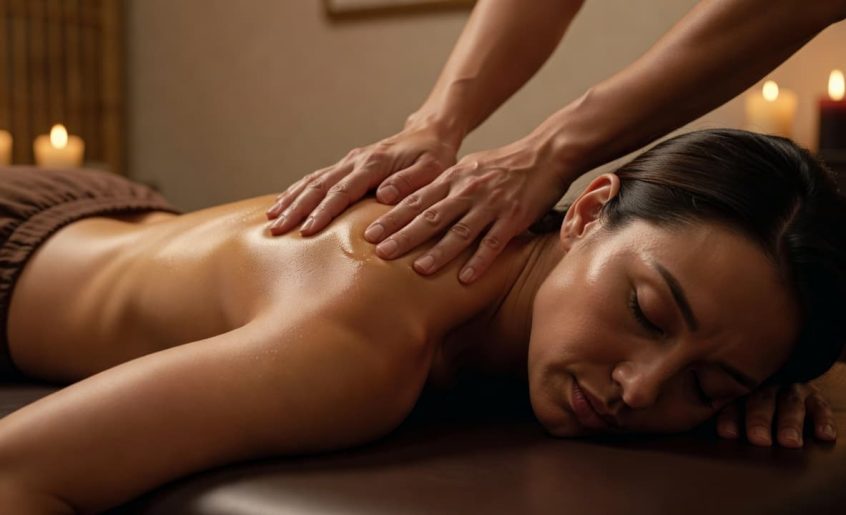
Aromatherapy Massage in Kilimani: Benefits and Oils
Kilimani has a way of making Aromatherapy Massage feel like a small escape in the middle of a busy week, with calming scents, warm oil, and slow, steady pressure that helps your body settle down. People book it when they want stress relief, better sleep, or a softer reset after long days in Nairobi, and a good session should feel peaceful, clean, and tailored to what your body needs.
If you’re comparing spas, this guide will help you choose a place that gets the details right, from the oils used to the way you’re welcomed and cared for. It also takes a look at Classy Massage Spa in Kilimani as a local option, along with what to expect when you check massage service price list or choose the right massage package.
What Aromatherapy Massage Actually Is, and Why People Love It
Aromatherapy Massage combines gentle bodywork with essential oils chosen for their scent and effect. The oils are usually blended with a carrier oil, then worked into the skin with smooth, calming strokes that help the body settle and the mind slow down.
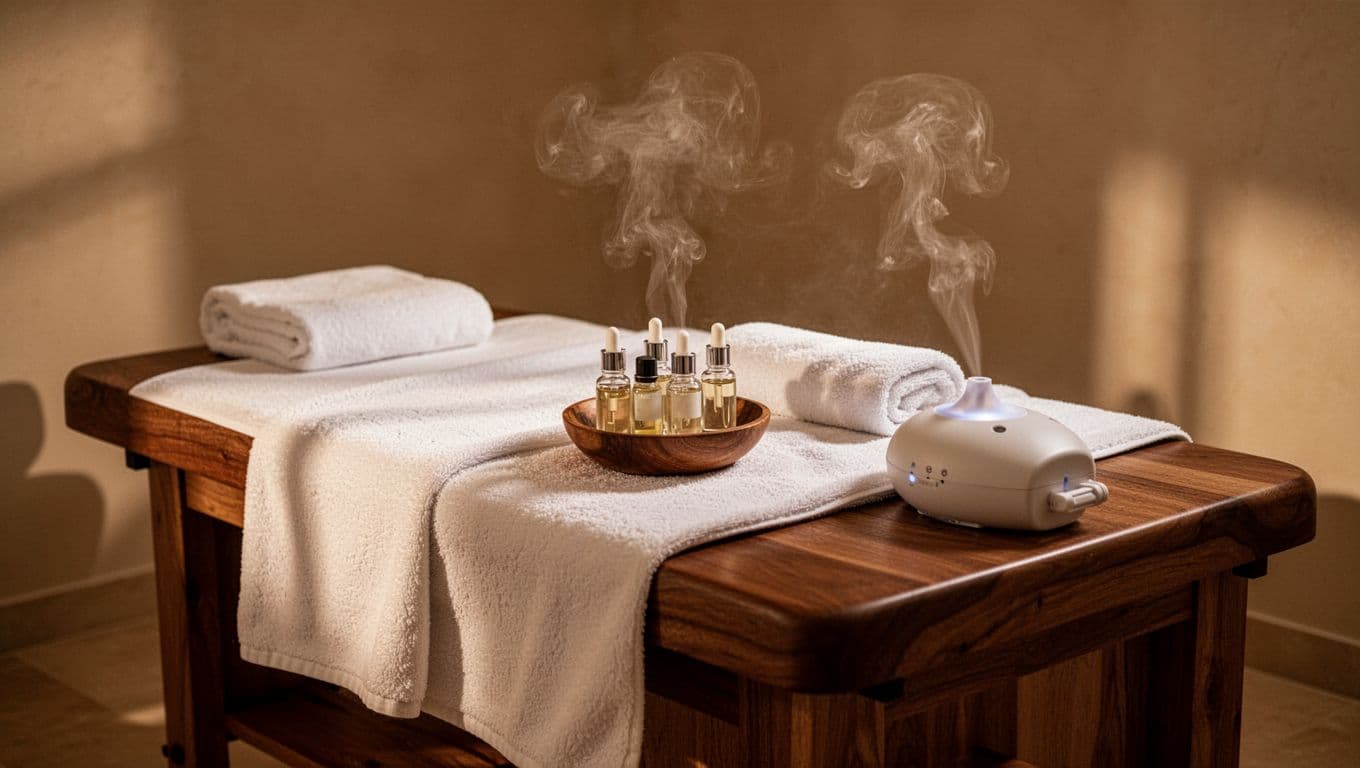 > A good aromatherapy session is more than a nice smell in the room, it is touch, scent, and quiet working together.
People love it because it feels gentle but complete. Your muscles get attention, your breathing often slows, and the room itself starts to feel softer. When the right oil and the right pressure come together, the whole session can feel like a reset button.
How massage and essential oils work together
Massage strokes and essential oils support each other in a simple way. The hands create physical relaxation through pressure and movement, while the scent reaches the brain through smell and helps shape the mood of the session.
That matters because your body does not respond to touch alone. It also reacts to the atmosphere around you, and aroma can influence how settled or alert you feel. Lavender can feel calming, while citrus oils often feel brighter and more uplifting.
The oils are usually diluted before they touch the skin, then spread with long, smooth strokes. As the therapist works, the body gets two signals at once, one from the skin and one from the nose. That combination is why benefits of aromatherapy massage often feel broader than a standard oil massage.
Aromatherapy massage works best when the scent is pleasant but not overpowering. The goal is comfort, not perfume. When the blend is balanced, the room feels calm and the body can relax into the rhythm of the treatment.
The most common reasons people book it
Many people book Aromatherapy Massage because stress has started to sit in the shoulders, jaw, or lower back. A session gives them a quiet pocket of time where they do not have to answer messages, sit in traffic, or think about the next errand.
Sleep is another common reason. When the nervous system feels less tense, bedtime often feels easier, and some people leave a session feeling ready for a slower evening. For readers in Nairobi and Kilimani, that can matter after a long workday, a heavy commute, or a packed week of meetings.
People also book it for mood support. A warm, calm space with a scent they enjoy can lift the emotional weight of the day without feeling forced. Others want simple muscle comfort after sitting too long, walking too much, or spending hours at a desk.
These are the reasons it stays popular:
- Stress relief: It helps you slow down when your week feels crowded.
- Better sleep: A calmer body often finds rest more easily later.
- Mood support: Scent and touch can soften mental tension.
- Muscle comfort: Gentle pressure helps tired areas let go.
- A quiet break: Sometimes you just need one peaceful hour.
If you want a broader sense of how scent and touch interact, aromatherapy and its therapeutic effects is a useful place to start.
What makes it different from a regular massage
A regular relaxing massage focuses mainly on touch. Aromatherapy Massage adds another layer, the scent experience, and that changes the mood of the whole session. The room feels more intentional, and the treatment can feel more personal because the oil blend is often chosen for a specific effect.
Compared with deep tissue massage, aromatherapy is usually softer and less intense. Deep tissue work goes after stubborn tension with firmer pressure, while aromatherapy aims for ease, comfort, and nervous-system calm. If you want strong pressure, deep work may suit you better. If you want a gentler treatment that still helps your body unwind, aromatherapy is often the better fit.
Many people prefer it over a plain oil massage because it feels richer without feeling heavy. The scent lingers lightly, the strokes stay smooth, and the whole session has a restful flow. In practice, that makes it feel less like a routine service and more like a small ritual for the body and mind.
For a clear comparison, The benefits of aromatherapy massage also explains how scent and physical touch work together in one treatment.
The Benefits of Aromatherapy Massage for Body and Mind
Aromatherapy Massage works best when the body feels overloaded and the mind won’t switch off. The combination of scent, warmth, and steady touch gives you space to slow down without forcing the issue.
That gentle rhythm matters. A good session can help you feel looser in your body and calmer in your head, which is why people return to it as part of a regular wellness routine.
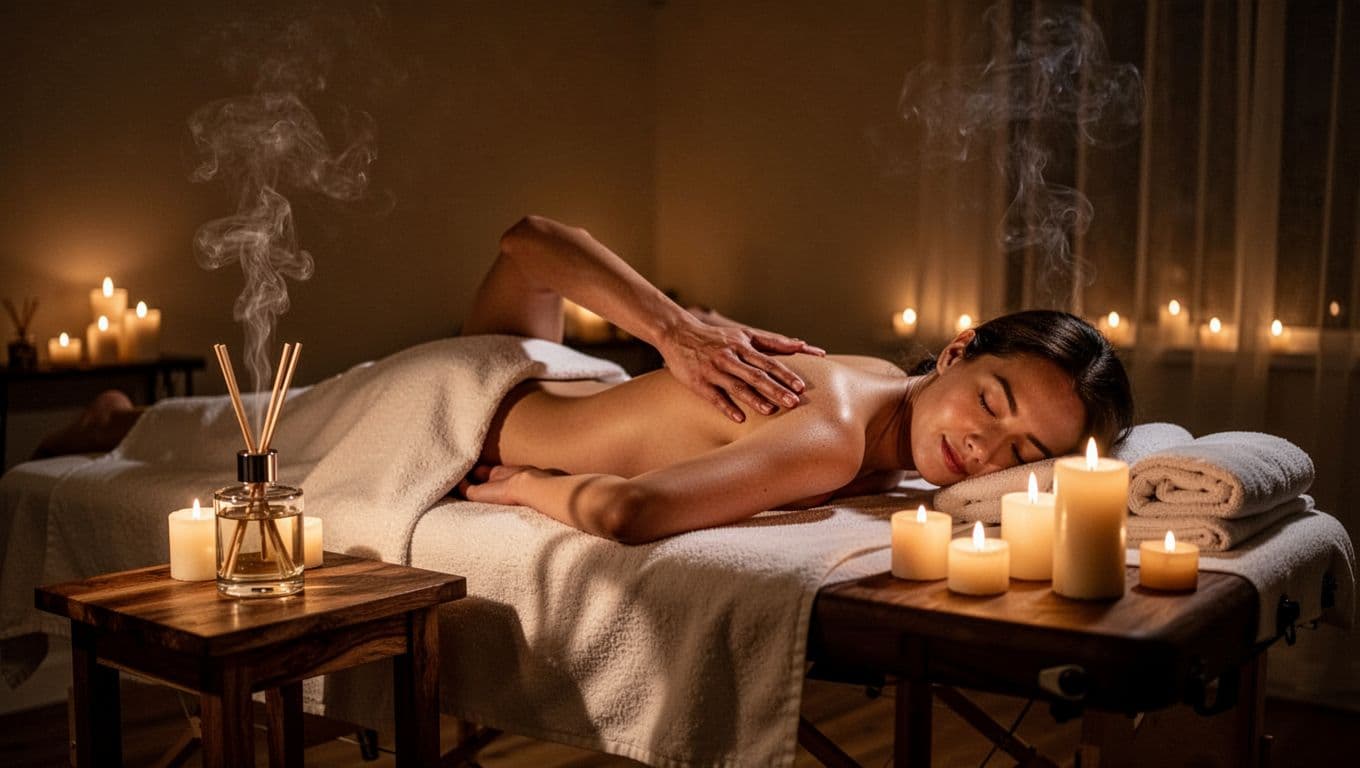 ### Relief from stress and mental overload
When your day has been full of noise, deadlines, and constant screen time, your nervous system can feel like a car stuck in traffic. Calming oils and slow massage help create the opposite experience. Lavender, chamomile, and similar scents can soften the edge of mental tension, while long, unhurried strokes give your body a clear cue to settle.
That is part of why aromatherapy and its therapeutic effects gets so much attention in wellness circles. The scent reaches the brain through smell, and the massage helps your body leave “go mode” behind for a while. The result is not dramatic or medical, just a quieter head and a slower breath.
For many people, that feeling is enough. One hour in a calm room can reset the tone of the whole evening.
Support for sore muscles and tension
Aromatherapy Massage also helps when your shoulders feel locked, your back feels stiff, or your neck holds the weight of a long week. Smooth pressure and warm oil can ease that tight, bundled-up feeling that builds after sitting too long or carrying stress all day.
Some oils add another layer of comfort. Peppermint may feel cooling, while ginger or eucalyptus-style blends can feel warming or refreshing on tired muscles. That contrast can make the treatment feel more complete, especially when the body needs both relaxation and relief.
The best sessions don’t force the muscles to let go. They give them enough warmth, time, and pressure to loosen on their own.
When the therapist works slowly and pays attention to problem areas, the body usually responds with less resistance. That makes the session feel easier, softer, and more restorative.
Why many people choose it for better sleep and mood
Aromatherapy Massage often fits well into an evening routine because it helps the whole room feel restful. A quiet space, a comforting scent, and unhurried touch can make it easier to leave the day behind before bedtime. Lavender and chamomile are especially popular because they tend to feel calm and familiar rather than heavy.
The emotional effect matters too. People often leave feeling lighter, softer, and more balanced. That does not mean every worry disappears, but the pressure around it can ease enough to breathe more freely.
For some readers, that is the real value of this treatment. It supports rest without a complicated process, and it gives your mind a break that feels simple and natural. If you want to keep the benefits going, pairing occasional sessions with a slower evening, less screen time, and enough water can help the calm last longer.
Popular Essential Oils Used in Aromatherapy Massage
The oil blend shapes the whole mood of an Aromatherapy Massage. One scent can feel like a soft blanket, while another feels like opening a window after a long day.
Most spas keep a small set of favorites on hand because they cover different needs well. If you know the basic feel of each one, it becomes much easier to choose a blend that matches your body and your mood.
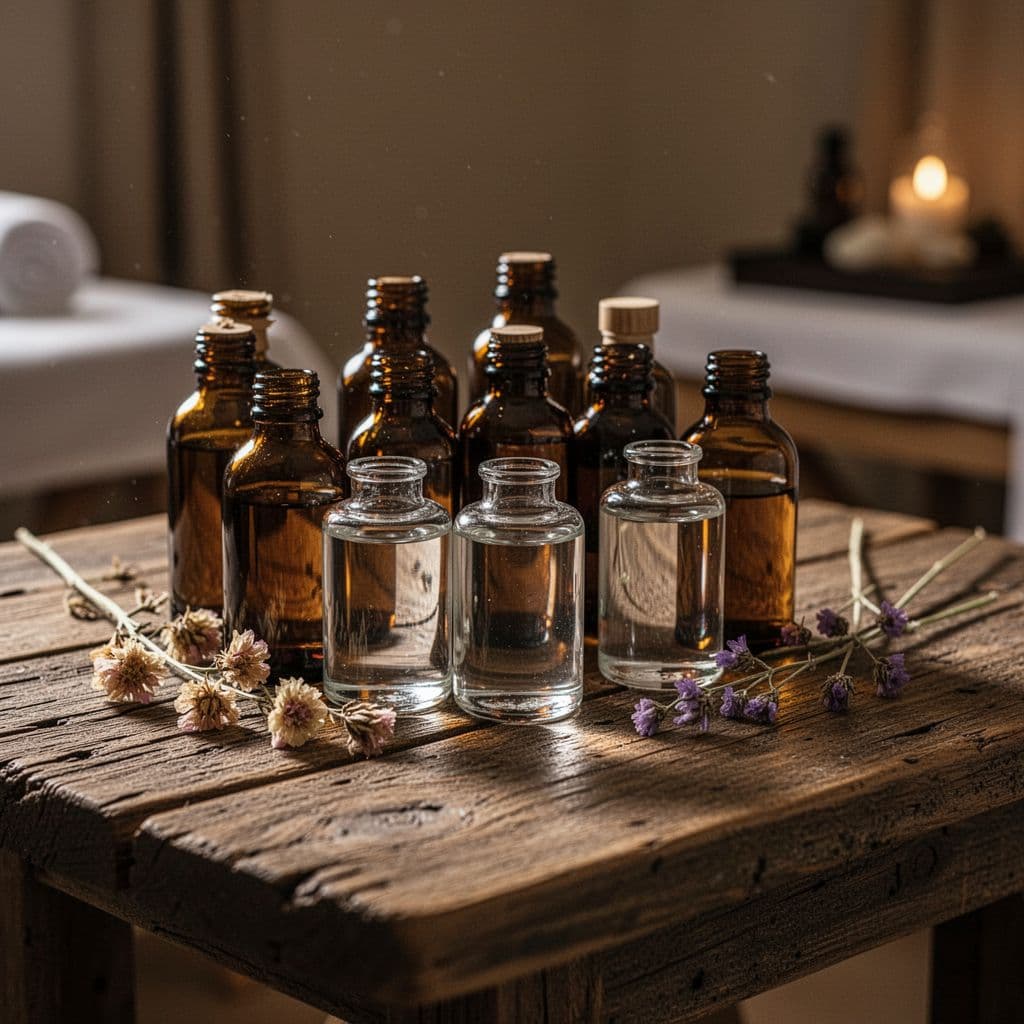 ### Lavender for calm and relaxation
Lavender is one of the most familiar oils in massage rooms, and for good reason. It has a soft, clean scent that usually feels gentle right away, almost like the room itself has taken a slower breath.
People often choose lavender when they want to unwind without a heavy fragrance. It works well for stress, bedtime sessions, and those days when your shoulders feel tight before the massage even starts. If you prefer a peaceful, low-key experience, lavender is usually the safest first choice.
Its scent is not loud or sharp, so it blends easily with the quiet pace of regular massage benefits. That makes it a natural fit for sessions focused on rest, light tension release, and mental calm.
Peppermint, eucalyptus, and citrus blends
Peppermint, eucalyptus, and citrus oils bring a fresher edge to the room. Peppermint feels cool and crisp, eucalyptus feels clear and open, and citrus oils often feel bright, sunny, and lively.
Some people like these oils when they want to feel more awake and clear-headed after the session. Peppermint can feel helpful when the body feels sluggish, eucalyptus can feel refreshing when the mind feels heavy, and citrus blends often add a light, upbeat finish to the massage.
These oils also work well in combination. A therapist might pair them to create a blend that feels balanced, fresh without being harsh, energizing without feeling too strong. For a broader look at how different oils support massage, Cleveland Clinic’s essential oils guide gives a helpful overview.
How to choose a scent that suits your mood
The easiest way to choose is to start with what you want that day. If you want deep calm, lavender or another soft floral scent usually fits best. If you want a fresh reset, peppermint or eucalyptus can feel cleaner and more awake. If you want a gentle lift, citrus oils often feel bright without pushing too hard.
Your skin matters too. Strong scents can feel overwhelming, and sensitive skin needs more care, so dilution and patch testing are important. A good therapist will adjust the blend, keep the aroma comfortable, and avoid anything that feels too sharp or irritating.
When you book a session, describe the feeling you want in plain language. You might say:
- “I want to relax deeply” for a softer, calmer blend.
- “I need a fresh reset” for a brighter, clearer scent.
- “I want something gentle” if you prefer light fragrance and minimal intensity.
The best part is that blends can be customized. That means your Aromatherapy Massage doesn’t have to follow a fixed formula, it can be shaped around your comfort, your mood, and the kind of day you’ve had.
What to Expect During an Aromatherapy Massage Session
A good Aromatherapy Massage feels easy from the moment you walk in. The room should already slow your pace, with soft lighting, a clean setup, and a therapist who asks the right questions before the massage begins.
You don’t need to guess what’s coming next. The session usually follows a calm rhythm, starting with a short conversation, moving into warm oil and steady touch, then ending with a few quiet minutes to let your body catch up.
 ### Before the massage starts
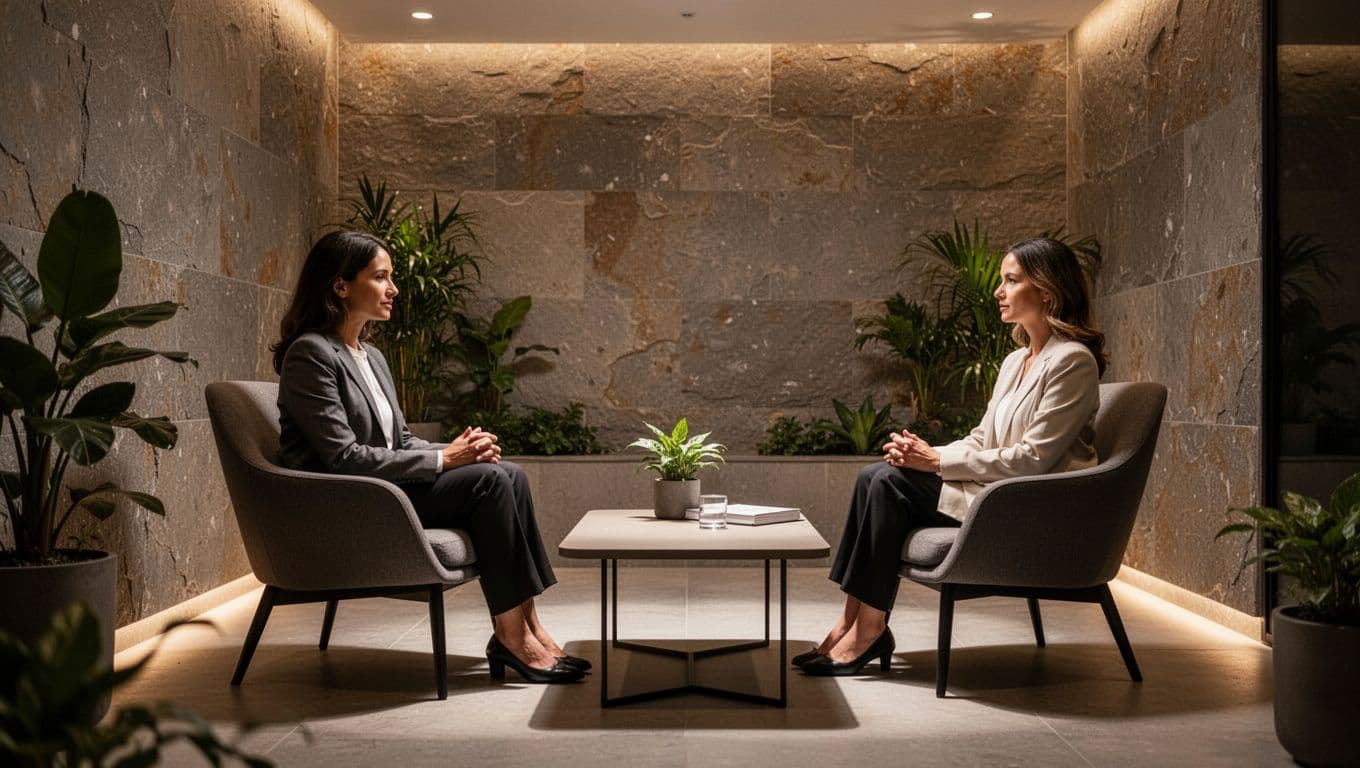
The first few minutes are simple, but they matter. Your therapist will usually ask why you’re booking the session, what scent you prefer, and how much pressure feels comfortable. This is also when you can mention any allergies, skin sensitivities, pregnancy, recent injuries, or areas you want them to avoid.
A good spa keeps this part calm and unhurried. You should feel welcomed, not rushed, with a clean room, fresh linens, and a quiet space that already feels separate from the rest of your day.
If you’re new to the treatment, speak plainly. You can say you want a light touch, a stronger back focus, or a scent that feels fresh rather than floral. That short conversation helps the therapist shape the session around your body instead of following a fixed routine.
For a helpful reference on how consultation shapes oil choice, Base Formula’s aromatherapy consultation guide explains the kind of questions therapists often ask.
The session itself, from the first touch to the final rinse or rest
Once the massage begins, the therapist usually warms the oil in their hands first, then applies it with slow, smooth strokes. The scent rises gently as the oil touches your skin, and the pressure often starts light before settling into a steady rhythm.
Most sessions move across the back, shoulders, legs, arms, and neck, depending on the treatment length and your comfort level. The room should stay quiet, with low music, warm air, and enough privacy that you can settle into the moment without distraction.
The best aromatherapy sessions feel smooth and predictable. You always know the pace, and nothing feels abrupt.
Some spas finish with a soft towel wipe, while others let the oil stay on the skin longer so it can absorb. Either way, the ending should feel gradual. If you want a clearer picture of how aromatherapy works during treatment, Cleveland Clinic’s aromatherapy overview gives a straightforward explanation.
After the massage, what most people feel
After the massage, many people feel looser, calmer, and a little slower in the best way. The shoulders often drop, the jaw feels less tight, and your breathing may stay soft for a while after you stand up.
Some people like to drink water right away, while others prefer to sit for a few minutes before heading out. That pause helps the body adjust, especially if you’ve come in from a busy day or a noisy schedule.
It also helps not to rush straight back into errands or traffic if you can avoid it. Give yourself a small buffer, even if it’s just a quiet car ride home or a slower evening afterward. If you’d like to arrange a session in advance, you can contact the spa team and set up a time that fits your day.
How to Pick the Right Spa in Kilimani for Aromatherapy Massage
Choosing the right spa for an Aromatherapy Massage in Kilimani starts with the feel of the place, not just the treatment menu. You want a space that feels calm the moment you walk in, because the room sets the tone before the first drop of oil ever touches your skin.
The best option will feel clean, private, and well run. It should also match your comfort level, whether you want a simple, quiet session or a more polished spa experience with extra attention to detail.
 ### Signs of a spa that feels clean, private, and professional
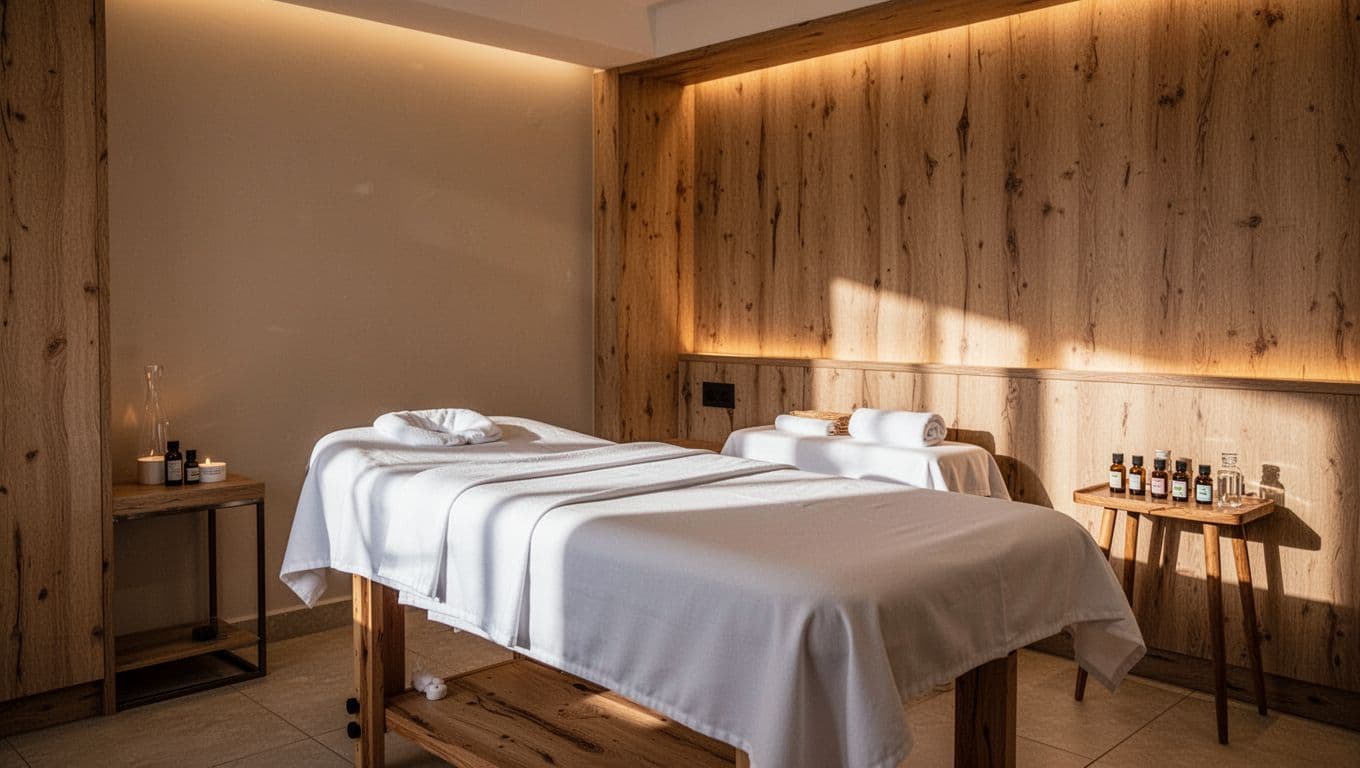
A spa should look cared for before you even ask a question. Fresh linens, tidy treatment rooms, and neatly arranged products all tell you the staff pays attention to detail. If the reception area looks dusty or the room feels crowded, the massage probably won’t feel relaxing either.
Privacy matters just as much. Closed doors, quiet hallways, and a calm check-in process help you settle in without feeling exposed. For readers who prefer a discreet experience, that sense of separation is often the difference between a good visit and a stressful one.
Clear communication is another strong sign. The team should explain the treatment, ask about scent preferences, and confirm pressure levels without making you repeat yourself. A professional spa makes things feel easy, not awkward.
Look for these details when you arrive:
- Clean linens and surfaces that look freshly prepared
- Soft, controlled lighting instead of harsh brightness
- A calm front desk that speaks clearly and respectfully
- Private treatment rooms with minimal noise from nearby spaces
- A quiet atmosphere that lets you relax without distraction
A spa that gets these basics right usually handles the rest with more care too.
What Kilimani spa-goers usually look for before booking
Most people in Kilimani want convenience first. They check the location, whether parking is available, and how easy it is to get there after work or on a weekend. Hours matter too, because a spa that stays open late often fits better into a busy schedule.
Treatment variety is another big factor. Some people want only Aromatherapy Massage, while others like a place that also offers deep tissue, Swedish, or body treatments in case their needs change. If you like options, a broader menu gives you more flexibility.
Comfort level matters as well. Some readers want a simple, professional setting. Others prefer private rooms, a more luxurious atmosphere, or extra touches that make the visit feel special. That preference is personal, and the right spa should match it without pressure.
When comparing places like Blossom Spa, Pink Parlour, Serenity Spa, and a local option such as Classy Massage Spa in Kilimani, pay attention to the mood each one creates. One may feel polished and upscale, while another feels more practical and straightforward. If you want a fuller picture of service style, Serenity Spa’s Nairobi locations and Blossom Spa’s Kilimani branch are good reference points for what nearby spa-goers often compare.
Why Classy Massage Spa in Kilimani deserves a closer look
Classy Massage Spa is worth checking if you want a spa that feels calm and locally convenient without losing the personal touch. The real question is whether its service style, ambience, and treatment menu fit the kind of Aromatherapy Massage you want.
Start with the basics. Does the space feel welcoming when you walk in, or does it feel rushed and noisy? Does the therapist listen to your scent preferences and pressure level, or do they move through a fixed routine? Those small details matter because aromatherapy works best when the session feels tailored, not generic.
Also look at the menu. A good fit should offer the kind of massage you actually want, along with related options if you like to compare styles. If you are someone who values privacy, a quieter room and a discreet setup may matter as much as the oil blend itself.
The best approach is simple. Compare the room, the communication, the privacy, and the treatment options side by side. If Classy Massage Spa gives you that clean, professional, and restful feeling, it deserves a place on your shortlist.
How to Get the Best Results from Your Aromatherapy Massage
The best Aromatherapy Massage feels better when you prepare for it a little. A few small choices before the appointment, and a few simple habits after it, can change the whole experience.
That starts with comfort. When the scent, pressure, timing, and aftercare match what your body needs, the session feels smoother and more personal.
 ### Share your pressure, scent, and comfort preferences early
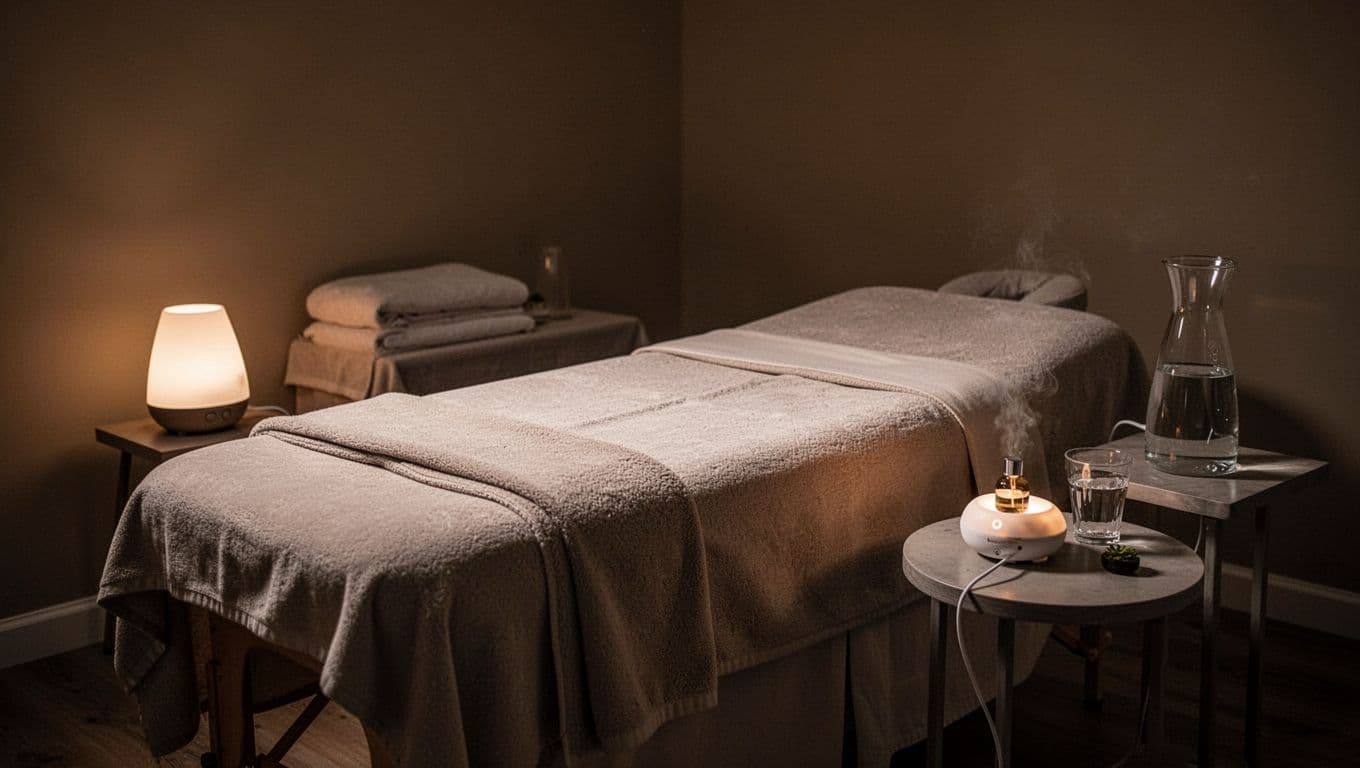
Speak up before the session starts, especially if you have allergies, skin sensitivity, or a strong reaction to certain scents. A therapist can only adjust the oil blend and pressure if they know what feels right for you.
Be direct about any pain points too. Tight shoulders, a sore lower back, or a tender neck need different handling than general relaxation. If you prefer light pressure, say so clearly, because even a good massage feels off when it is too firm.
Aromatherapy works best when the details are simple and specific. You might mention that you want a soft floral scent, a fresh minty blend, or a fragrance that stays light. Small preferences can shape the entire session.
A few things to mention before the massage begins:
- Allergies or sensitivities to oils, lotions, or strong scents
- Pressure level you want, light, medium, or firmer
- Areas to avoid if you have soreness or injury
- Any scent preferences that make you feel calm or comfortable
If you want a clearer view of how essential oils are used safely in massage, AMTA’s overview of massage and aromatherapy is a helpful reference.
The more honest you are at the start, the less the therapist has to guess.
Choose the right time so you do not feel rushed
Aromatherapy Massage feels better when your day opens up around it. If you book it right before a meeting, a school pickup, or a long drive, your body may relax, but your mind will stay half elsewhere.
Weekend slots, quiet evenings, or a slower pocket in the day often work well. That extra breathing room helps you arrive calm and leave calm, which is exactly where you want to be. Even 20 minutes after the session can make a difference.
For many people, the best time is when the massage becomes part of the rest of the day, not a stop between errands. If you can sit still afterward, sip water, and avoid rushing back into noise, the effects tend to last longer.
A simple way to plan it:
- Book when your schedule is light.
- Arrive a little early so you can settle in.
- Leave time for a slow exit, not a quick one.
A few smart aftercare habits
What you do after the massage matters almost as much as the session itself. Start with water, because hydration helps your body feel settled again after the oils and pressure work through the muscles.
Rest helps too. You do not need to chase the feeling or force a workout right away. Let your body stay soft for a while, then notice how you feel later in the afternoon or evening.
A few easy aftercare habits can help the calm last:
- Drink water after the session and again later in the day
- Rest for a bit before jumping back into busy tasks
- Notice your body later, especially your shoulders, neck, and back
- Keep the evening gentle if the massage made you feel sleepy or loose
If you’d like a broader look at how massage and scent work together, this guide to aromatherapy massage benefits and techniques offers a practical overview.
Aromatherapy Massage gives you more when you let it fit your day instead of squeezing it into a rush. With the right preferences, the right timing, and a little aftercare, the session feels calmer, more comfortable, and much more rewarding.
Conclusion
Aromatherapy Massage works because it brings scent, touch, and rest into one calm experience. That simple mix can ease stress, soften muscle tension, and leave the body feeling more settled than it did at the start.
For readers in Kilimani, the best session is the one that matches your mood, your pressure preference, and the kind of quiet you need. A spa that listens well and keeps the atmosphere clean and peaceful will always make the treatment feel better.
If you’re ready for that kind of reset, explore the local spas in Kilimani and book an Aromatherapy Massage that fits your comfort level and your day.