A tense neck, tired legs, or a busy mind can make ordinary days feel harder than they should. Massage therapy offers hands-on care that may ease muscle tension, support relaxation, and help you reconnect with your body.
The right treatment depends on your goals, health history, and comfort with pressure. Before booking a session in Kilimani, learn what each massage type involves, what benefits are realistic, and how to choose a safe, qualified practitioner.
Key Takeaways
- Massage therapy can support relaxation, mobility, sleep, and short-term relief from some muscle discomfort.
- Swedish, deep tissue, Thai, foot, and lymphatic techniques suit different needs.
- A professional session should include an intake conversation, consent, proper draping, and clear communication.
- Certain health conditions require medical advice before massage.
- Local search results and advertisements need careful checking before you share personal details or book.
What massage therapy involves
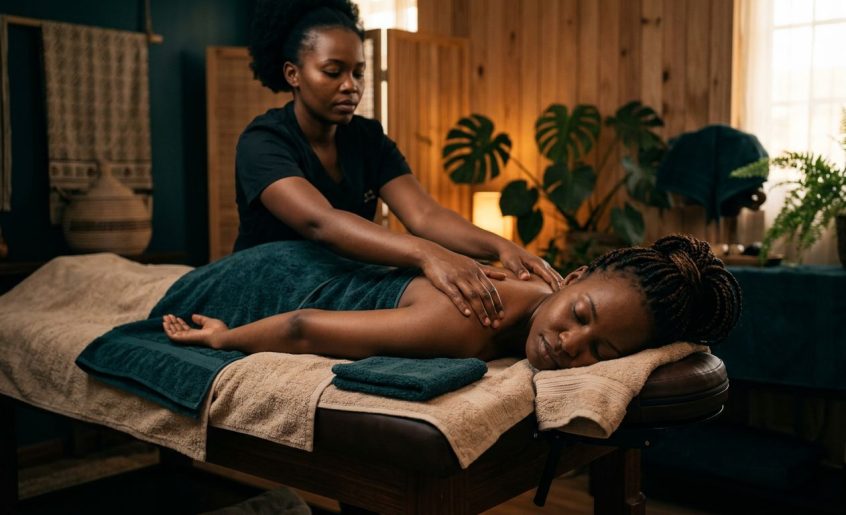
Massage therapy uses hands-on techniques to work with the body’s soft tissues, including muscles, tendons, ligaments, and connective tissue. A Massage Therapist may use gliding strokes, kneading, compression, stretching, or focused pressure during a session.
The goal isn’t always to press harder. A relaxing session may use steady, gentle movements, while a treatment for a tight shoulder may focus on a smaller area. Your therapist should ask about pain, previous injuries, medical conditions, and the result you want.
Common options include:
- Swedish Massage uses flowing strokes and light to moderate pressure. It’s often suitable for general relaxation, first-time clients, and people who prefer a calmer treatment.
- Deep Tissue Massage applies slower, more focused pressure to areas with persistent tightness. Firm pressure shouldn’t cause sharp pain or force you to tense your body.
- Thai Massage often includes assisted stretching and pressure applied through clothing on a floor mat or firm surface.
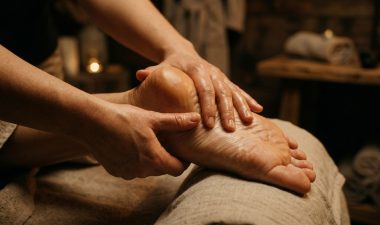
- Foot Massage concentrates on the feet and lower legs. It can feel soothing after long periods of standing, walking, or travel.
- Lymphatic Massage uses very light, rhythmic movements. A Lymphatic Drainage Massage may be appropriate for certain medical needs, but clients should seek guidance from a trained provider and their clinician.
The phrase Asian Massage covers many traditions, so it doesn’t describe one standard treatment. Ask which technique the practitioner offers and how the session is structured. An online Massage video can show basic movements, but it can’t assess your posture, injury, circulation, or medical history.
What benefits can you reasonably expect?
Massage may help reduce stress and muscle stiffness for some people. Research also suggests possible improvements in relaxation, sleep quality, and short-term discomfort, although results vary by person and condition. The Mayo Clinic Health System’s overview of massage benefits discusses these possible physical and emotional effects without presenting massage as a cure.
Many clients choose a Full Body Massage after demanding workdays because the session gives them scheduled time to slow down. Others book Body Massage for general comfort, muscle recovery, or a sense of rest. A foot-focused treatment may feel more useful than a full session when your feet carry the strain of commuting or exercise.
Massage may also help you notice where you hold tension. For example, you might discover that you raise your shoulders while working or clench your jaw during stressful tasks. That awareness can support better stretching, movement, sleep habits, and workstation adjustments.
Still, massage therapy complements medical care rather than replacing it. It shouldn’t be used to diagnose unexplained pain, treat a suspected fracture, or delay care for serious symptoms. Persistent pain, numbness, weakness, swelling, or reduced movement deserves assessment by a qualified health professional.
What happens during a professional session?
A good appointment starts before the first stroke. Your therapist should ask what brings you in, which areas feel uncomfortable, how much pressure you prefer, and whether you have recent injuries or health concerns. You can also request changes to the room temperature, music, positioning, or technique.
You won’t need to expose your entire body. Professional massage uses draping, with only the area being treated uncovered. You can remain fully clothed for some Thai treatments, chair massage, and certain foot sessions. Consent should continue throughout the appointment, not end after the intake conversation.
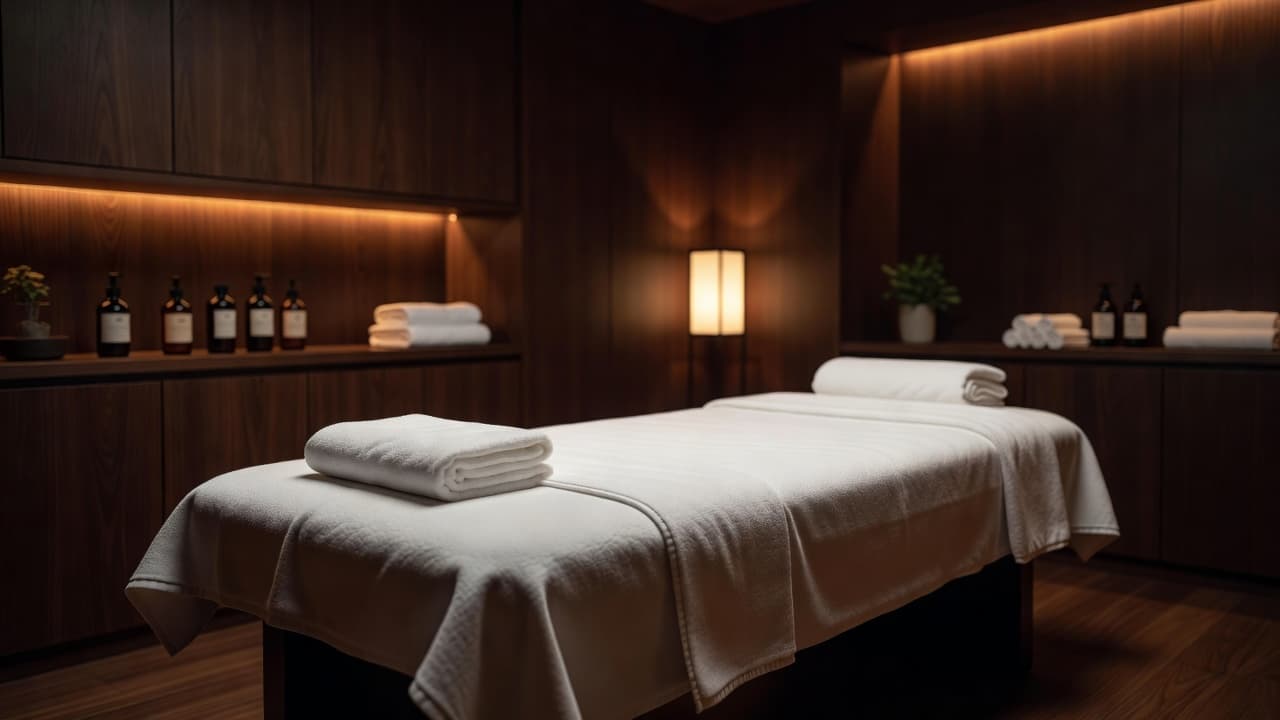
The therapist may begin with broad strokes before working on tighter areas. Speak up if pressure feels painful, if you feel cold, or if a position strains your body. A massage should create manageable sensation, not make you brace against the table.
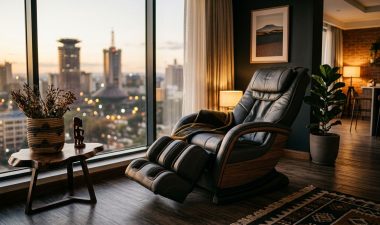
Afterward, mild tenderness can occur, especially after firm work. Severe pain, bruising, dizziness, or symptoms that continue should prompt a call to a healthcare provider. A Massage Chair, Massage Gun, or Foot Massager can provide convenience at home, but these tools don’t replace a trained assessment. Use a Massage Gun carefully around bones, the front of the neck, open wounds, and swollen areas.
How to choose a massage therapist in Kilimani
Start with the practitioner, not the name of the treatment. Ask about training, experience with your concern, hygiene practices, and the session length. A qualified provider should answer clearly and respect your boundaries without pressuring you to buy more services.
Look for a clean treatment room, fresh linens, secure storage for personal items, and a clear price list. Before booking, confirm whether the quoted cost covers the full appointment or whether hot stones, aromatherapy, or other add-ons cost extra. You can view current massage therapy rates and packages before planning a visit.
Large brands such as Massage Envy, Massage Heights, Elements Massage, and Hand and Stone Massage may appear in online comparisons, but a familiar name alone doesn’t tell you who will provide the treatment. Compare the individual therapist’s training, communication, reviews, location, and cancellation policy.
Retailers such as Massage Warehouse may sell professional equipment, while a home Massage Gun or Foot Massager is designed for personal use. Those products can support relaxation between appointments, but they can’t identify a nerve problem or determine whether pressure is safe.
A short consultation is a useful test. Notice whether the therapist listens, explains the plan, asks permission before changing techniques, and accepts feedback. If anything feels secretive, rushed, or uncomfortable, choose another provider.
Massage safety and situations needing caution
Massage is safe for many healthy adults, but some conditions need extra care. Tell the therapist about medications, allergies, pregnancy, recent procedures, chronic illnesses, and current symptoms before treatment.
Postpone a session if you have a fever, contagious illness, open wound, active skin infection, or a recent injury that hasn’t been assessed. People with suspected blood clots, severe osteoporosis, uncontrolled medical conditions, or recent surgery should get medical advice first. Blood-thinning medication can also increase bruising risk.
Pregnant clients should choose someone trained in prenatal massage and follow advice from their maternity provider. Anyone with cancer, diabetes-related nerve loss, significant swelling, or cardiovascular disease should discuss massage with a clinician before booking.
Lymphatic techniques deserve particular care. Lymphatic Drainage Massage can be used in some clinical settings, but unexplained swelling may indicate a condition that needs diagnosis. Don’t use massage to push through sudden calf pain, one-sided swelling, chest pain, breathing trouble, or unexplained weakness.
Tell your therapist what hurts, what medication you take, and what you don’t want touched. Clear information makes treatment safer.
A professional should never promise to cure cancer, remove toxins, fix every posture problem, or replace prescribed treatment. They also shouldn’t massage an area that is hot, acutely swollen, numb, or injured without proper assessment.
Finding reputable massage services in Nairobi
Searches such as Massage Near me, Massage Spa Near me, Massage Places Near Me, and Massage Therapy Near me can help you find nearby options. Adding your area, such as Kilimani, usually produces more useful results than a broad Nairobi search.
You may also see phrases including Massage Spa Nairobi, massage Nairobi, Nairobi Massage Near me, Nairobi Massage Therapist, Nairobi Massage Center, or Nairobi Massage parlour. Treat these as search descriptions, not proof of quality. Read recent reviews, confirm the exact location, and contact the business through an official channel.
Queries such as Massage Near Me Current Location, Massage Near Me Open Now, Foot Massage Near me, and Massage Parlour Near Me often focus on convenience. Convenience matters, but don’t skip questions about training, privacy, hygiene, and pricing because a listing appears nearby.
Be careful with vague listings and unsolicited promotions. A page titled Nairobi Massage ladies, Nairobi Massage ads, or Nairobi Massage spa telegram may not provide enough information about professional standards. Avoid sending identification, intimate photographs, deposits to unknown accounts, or sensitive health details before verifying the provider.
For a calm local appointment, review the treatment details and booking process for a relaxing massage session in Nairobi. Ask whether the service is Swedish, deep tissue, foot-focused, or another method, then describe your needs honestly.
Conclusion
Massage therapy can be a practical part of personal wellbeing when the treatment matches your needs and health situation. Swedish massage may suit relaxation, deep tissue work may target stubborn tightness, and foot or lymphatic techniques require more specific planning.
The strongest protection is informed communication. Choose a trained therapist, disclose relevant health details, agree on pressure and boundaries, and seek medical care when symptoms fall outside normal muscle tension. A thoughtful session should leave you feeling cared for, comfortable, and better informed about your body.