
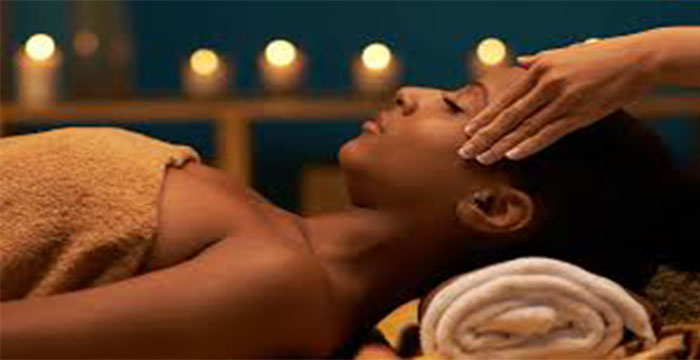
Thai Massage in Kilimani: What to Expect and Who It Helps
Walking into Thai Massage in Kilimani should feel like a pause in the middle of Nairobi noise, a calm room, steady hands, and the kind of pressure that tells your body to let go. People search for it because they want relief from tight muscles, stress, or long days spent at a desk, on the road, or on their feet.
If you’re trying to figure out what Thai massage is, how it feels, who it helps, and what to expect at a good spa, you’re in the right place. You’ll also get a clearer sense of how to choose a spot that fits your comfort level, including massage service plans at Classy Massage & SPA, so the experience feels right from the start.
What Thai massage really is, and how it works
Thai massage is a hands-on treatment that blends pressure, movement, and stretching. Instead of focusing on oil and long gliding strokes, it uses the therapist’s hands, thumbs, palms, knees, and sometimes feet to work through tight areas and move the body into supported stretches.
That combination is what gives Thai massage its own feel. It can relax you, but it also asks your body to open up and move. For many people looking for Thai Massage in Kilimani, that mix is the draw because it can ease stiffness without feeling passive or sleepy.
 ### The main techniques used in a Thai massage session
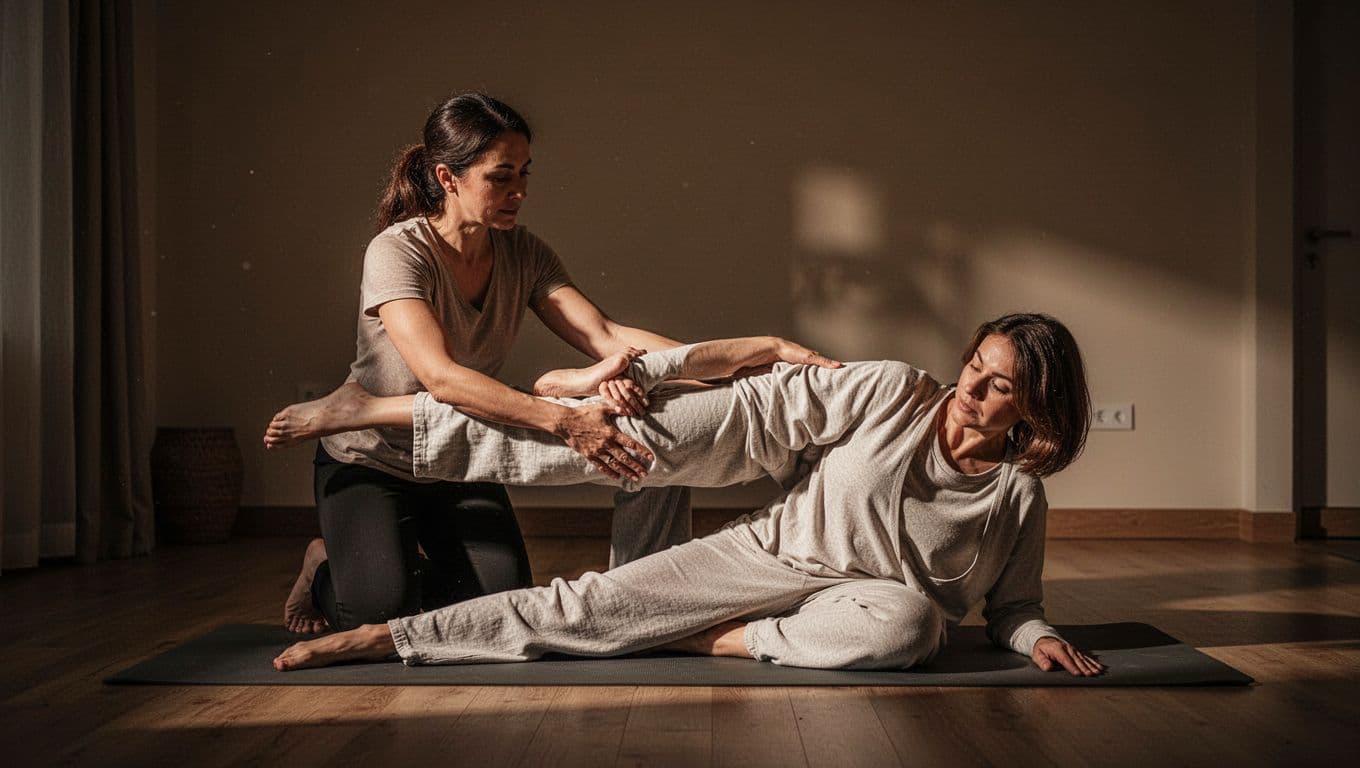
A Thai massage session usually starts with assisted stretching. The therapist helps your legs, hips, back, shoulders, and neck move through gentle stretches that you would not always do on your own. This can feel a lot like a guided yoga flow, except you stay relaxed while someone else supports the movement.
Next comes palm pressure and thumb pressure. The therapist presses along muscles, joints, and energy lines with steady control. Palm pressure covers broader areas and feels grounding, while thumb pressure targets smaller tight spots with more focus.
Rhythmic compression is another key part of the treatment. The therapist presses and releases in a steady pattern, which helps the body settle. Because the movement keeps a calm pace, the session often feels like a slow conversation between pressure and release.
Body positioning matters too. You may lie on your back, side, stomach, or sit upright depending on the area being worked on. In a well-done session, the therapist uses positioning to support the stretch, protect the joints, and keep the body relaxed.
Thai massage works best when pressure and movement stay in balance. Too much force can make the body resist, while the right rhythm helps it loosen up.
These techniques work together rather than in isolation. One moment may feel firm and focused, the next soft and lengthened. That is why Thai massage often feels like a blend of bodywork and gentle yoga, with the added benefit of hands-on guidance. For readers who want to understand how regular treatment supports comfort over time, the health advantages of routine massage are a good place to start.
How Thai massage compares with Swedish, deep tissue, and relaxing massage
Thai massage is different from a typical oil massage because it is more active. You stay clothed, the therapist uses more movement, and stretching is built into the session. If you want to feel opened up and gently mobilized, Thai massage is usually the better fit.
Swedish massage is softer and more flowing. It uses long strokes, kneading, and light to medium pressure to help you relax. If your goal is stress relief and a calm, classic spa feel, Swedish massage is a strong choice.
Deep tissue massage goes after chronic tightness with slower, firmer pressure. It focuses on deeper muscle layers and can feel intense, especially around stubborn knots. People often choose it for pain relief, recovery, or stubborn tension that does not ease with lighter work. For a clear overview of how Thai massage sits among other styles, Cleveland Clinic’s guide to Thai massage explains the stretch-based nature of the treatment in simple terms.
Relaxing massage usually keeps the pressure light and the pace slow. It is best when you want to unwind, calm your nervous system, and leave feeling rested rather than worked on. It does less stretching than Thai massage and less intense muscle work than deep tissue.
A simple way to choose is this:
- Thai massage: best for movement, flexibility, and a stretched-out feeling
- Swedish massage: best for light to medium pressure and full-body relaxation
- Deep tissue massage: best for firm pressure and tight muscle release
- Relaxing massage: best for stress relief and a gentle spa experience
If your body feels stiff, compressed, or stuck in one position for too long, Thai massage usually makes more sense. If you want to sink into calm without much movement, the softer styles may suit you better.
Why Thai Massage in Kilimani appeals to so many people
Thai massage fits the rhythm of Kilimani because life here runs long and full. People want relief that is close, practical, and easy to fit between meetings, errands, or the ride home. When your day is packed, a calm spa nearby feels less like a luxury and more like a sensible reset.
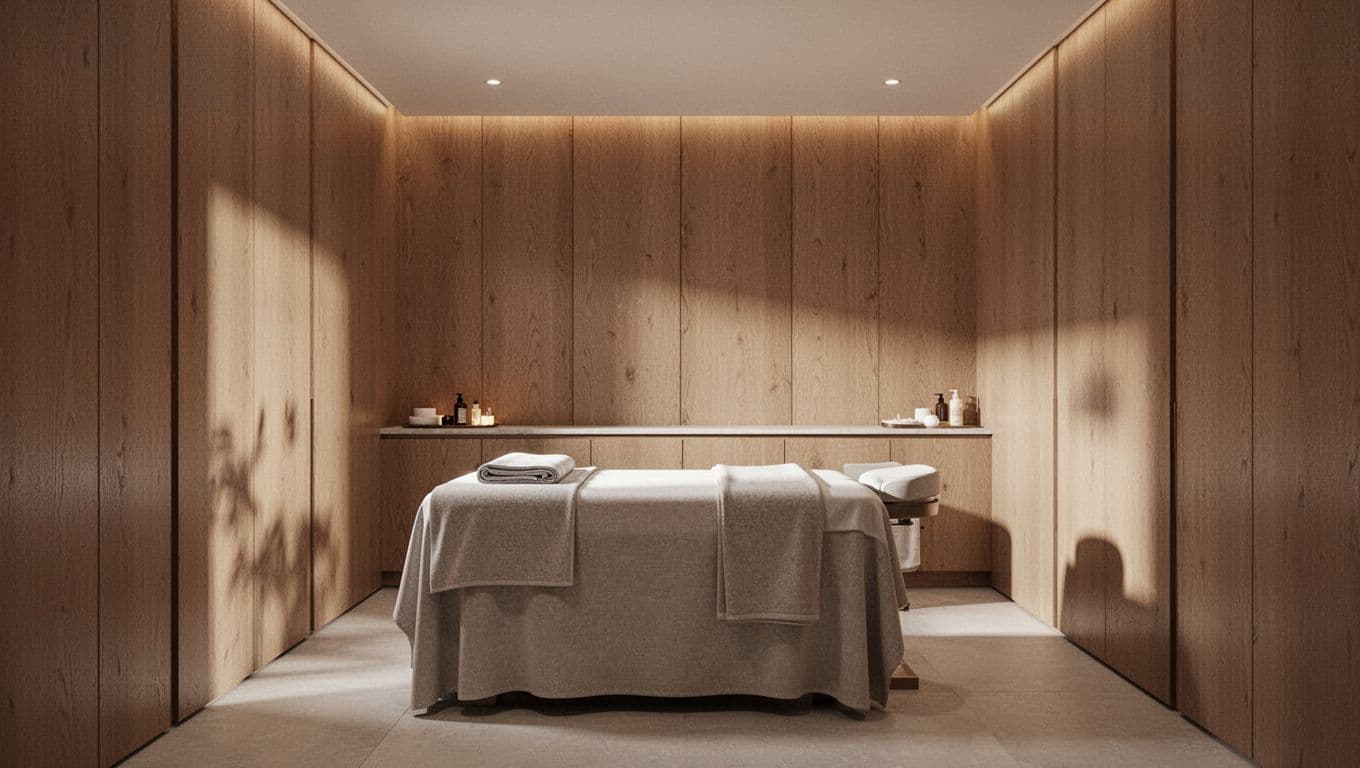
That local search intent is simple. People are not only looking for massage, they are looking for a place that understands tight schedules, stiff bodies, and mental overload. A serene treatment room in the middle of the city offers a rare kind of quiet, and that contrast is part of the appeal.
 ### A calm reset for work stress, screen fatigue, and tight muscles
Most people do not come in asking for something abstract. They come in with a stiff neck after too many hours at a laptop, sore shoulders from carrying tension all week, or a lower back that feels locked up after sitting too long. Thai massage speaks to those complaints directly because it works through pressure, stretching, and movement in one session.
Screen time makes the body dull and compressed. Shoulders round forward, the hips tighten, and the neck starts to feel heavy. By the time you notice it, the discomfort can spread into fatigue and irritability, which is why a strong but controlled massage often feels like hitting a reset button.
There is also a mental side to it. Long workdays, traffic, and constant notifications leave people feeling frayed, even when their muscles are the first thing to complain. A treatment that slows the body down can help the mind follow, and that is one reason Thai Massage in Kilimani keeps drawing attention from busy residents and workers.
For many clients, the appeal is not just pain relief. It is the relief of stepping into a quiet room, breathing more evenly, and letting someone else do the work for a while. That shift can feel small at first, then very noticeable by the time the session ends.
Who gets the most from this kind of massage
Thai massage tends to suit people who want their body to move better, not just feel softer. Office workers often like it because it helps open up the chest, hips, and upper back after long hours at a desk. Athletes also get value from it, since the assisted stretches can support mobility and recovery after training.
People who sit for long periods usually notice the difference fast. A tight lower back, stiff hamstrings, and heavy legs are common complaints, especially when daily movement is limited. Even mild stiffness can respond well when the therapist combines pressure with gentle stretching instead of working on one area alone.
It also appeals to anyone who wants a full-body reset rather than a narrow focus on one sore spot. Some clients want to leave feeling looser and more awake, while others want a treatment that helps them feel grounded again after a stressful week.
For first-time clients, comfort matters just as much as technique. Pressure preference, clothing, and body sensitivity all affect the experience, so a good session starts with clear communication. If you usually prefer softer treatments, ask for a lighter touch. If you like firmer work, say so early so the massage feels helpful instead of overwhelming.
The best Thai massage experience is the one that matches your body, your pace, and your comfort level.
That is part of why this treatment does so well in Kilimani. People want something close to home or work, but they also want it to feel restorative, not rushed. A peaceful spa setting in a busy neighborhood gives them both, and that balance is hard to ignore.
If you want to compare options before booking, our massage service pricing list can help you choose a session that fits your needs and budget.
What to expect during a Thai massage session in Kilimani
A first Thai massage session should feel clear, calm, and easy to follow. You arrive, settle in, and let the therapist guide the pace while your body opens up little by little. The session is active, but it should still feel safe, controlled, and personal.
If you know what happens before, during, and after the treatment, the whole experience feels smoother. That matters because comfort is part of the result, and the best sessions start with small details that put you at ease.
Before the session starts, how to prepare and what to tell the therapist
Start by drinking water earlier in the day, but don’t arrive overly full. A light meal is better than a heavy one, because Thai massage uses stretches and body positions that feel awkward on a stuffed stomach. Loose clothing helps too, since you’ll want to move without fighting tight fabric.
Before the therapist begins, mention anything that could affect the session. That includes old injuries, recent strains, sensitive joints, pregnancy, high blood pressure, surgery, or areas that hurt when you press on them. If something feels off, say it plainly, because the therapist can adjust the work before discomfort builds.
Your comfort limits matter just as much. Tell the therapist if you prefer softer pressure, if your hamstrings feel tight, or if your shoulders don’t like deep stretching. Clear communication shapes a better session, and it helps the therapist work with your body instead of guessing.
A good Thai massage starts with honest conversation, because the right pressure on the wrong body position can ruin the whole experience.
If you’re unsure whether a condition calls for caution, a Thai massage precautions guide can help you understand the basics before you book. The point is simple: come prepared, speak up early, and don’t wait until something feels uncomfortable.
 ### During the massage, the flow, pressure, and stretching you may feel
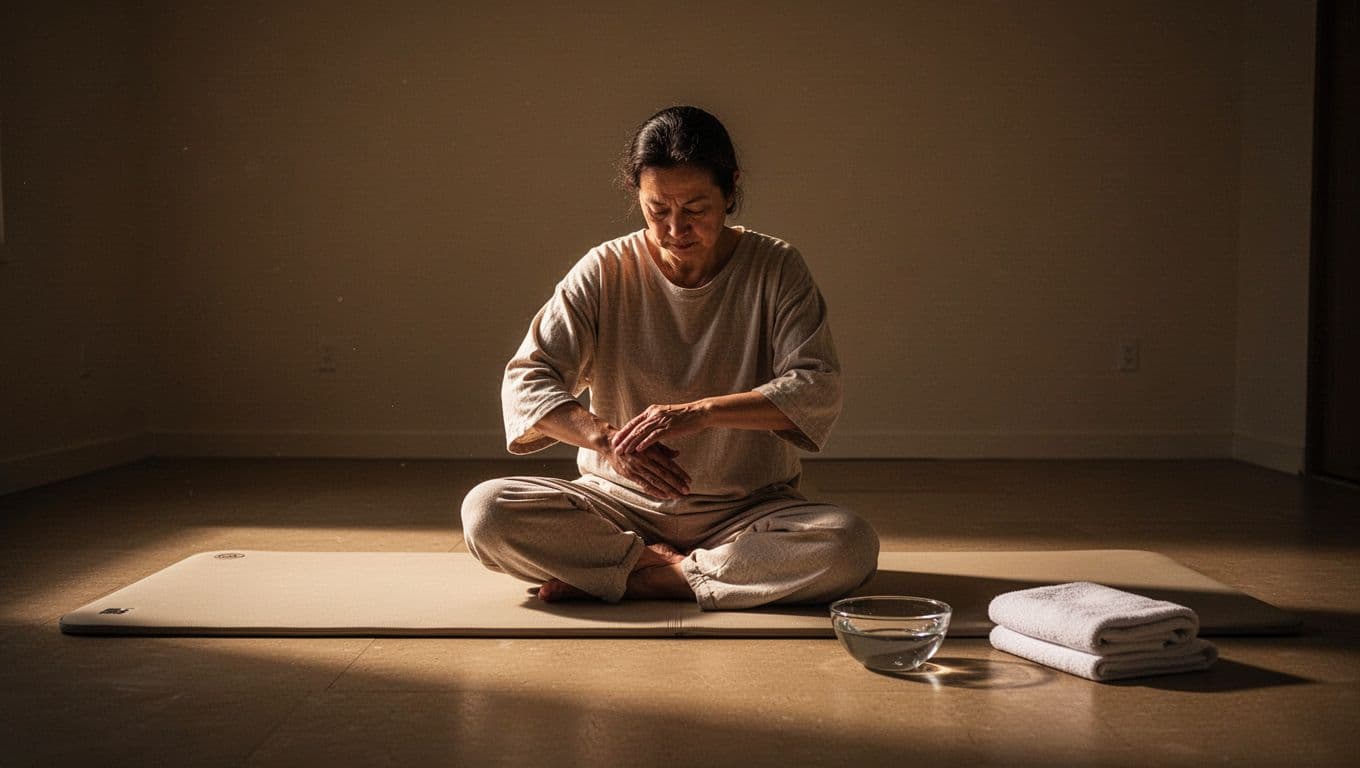
Thai massage usually begins with stillness, then moves into a steady rhythm. The therapist may press along your legs, back, shoulders, and feet, then guide you into slow stretches that open space through the body. One movement often flows into the next, so the session can feel like a measured sequence rather than a series of random techniques.
You may notice the therapist using hands, thumbs, palms, elbows, or forearms. Sometimes the pressure feels broad and grounding, and sometimes it lands on a smaller tight spot that has been holding tension for days. That can be intense at moments, but it should never feel harsh or painful.
Breathing helps a lot here. When a stretch comes in, you relax into it instead of bracing against it. That soft response lets the body release more naturally, much like a door opening slowly instead of being forced.
The therapist may also guide your position along the way. You might lie on your back, roll to one side, then sit up briefly for shoulder or neck work. Because the body changes shape in each position, the therapist can reach different muscles without making the treatment feel rushed.
A few things are normal during the session:
- A firm, steady pressure that feels different from a typical oil massage
- Assisted stretches that lengthen the hips, back, and legs
- Gentle rocking or compression that helps the body settle
- Short pauses between movements so you can reset and breathe
If you like a softer pace, say so. If a stretch feels too deep, speak up right away. Thai massage works best when your body stays involved, but that involvement should feel cooperative, not forced.
For many people seeking Thai Massage in Kilimani, this mix of movement and pressure is what makes the treatment memorable. It feels active, yet still calming, like waking up muscles that have been sitting still for too long.
After the session, how your body may feel and what to do next
After a Thai massage, you may feel lighter, looser, sleepy, or refreshed. Sometimes the body feels open right away, especially in the shoulders, hips, and lower back. Other times, you notice a gentle heaviness, which can happen when the nervous system finally slows down.
That response is normal. Your body has just been moved, stretched, and pressed in a way that asks it to reset. Some people leave feeling ready to move again, while others want a quiet ride home and a slow evening.
Simple aftercare helps the effects settle in. Drink water, give yourself time to rest, and avoid packing the rest of your day with rushed errands or intense workouts. If the therapist worked on a tight area, mild tenderness can fade with rest and hydration.
A few smart next steps include:
- Sip water over the next few hours.
- Keep movement gentle, especially if the session was intense.
- Skip a heavy workout right away.
- Notice how your body feels later in the day, not just at the door.
If you want a softer finish after bodywork, a calming treatment like massage aromas and relaxation support can also pair well with future visits. For this session, though, the main goal is simple: let the body absorb what just happened.
A good Thai massage doesn’t leave you guessing. You should know what to expect before it begins, feel guided during the treatment, and leave with a clearer sense of ease afterward.
How to choose the right Thai massage spa in Kilimani
Choosing a Thai massage spa should feel calm, not like a gamble. The right place gives you confidence from the moment you walk in, because the room is clean, the staff are attentive, and the treatment feels well organized.
When you book Thai Massage in Kilimani, look beyond the name on the door. A strong spa experience depends on the details, from the way you’re greeted to how clearly the therapist explains the session. If those basics are handled well, the massage usually feels better too.
 ### Signs of a well-run spa that feels safe and professional
Cleanliness is the first thing to notice. Fresh linens, tidy floors, clean mats, and a room that smells neutral or lightly pleasant all point to a spa that takes care seriously. If the space looks rushed or cluttered, the treatment may feel the same.
Polite communication matters just as much. Staff should greet you clearly, answer questions without irritation, and explain the session in simple language. A good spa makes guests feel welcomed before the massage even begins, and that early tone sets the standard for the whole visit.
Privacy is another sign of professionalism. You should have enough space to change, settle in, and relax without feeling exposed. The room should feel calm and controlled, not noisy or crowded, because your body relaxes faster when your mind does not have to stay alert.
Look at the setup too. A proper massage space usually has organized towels, comfortable mats or tables, and a layout that supports movement without feeling messy. Thai massage often involves stretching and repositioning, so the room should feel open enough for that work to happen smoothly.
A calm environment also tells you a lot. Soft lighting, low noise, and a steady pace at reception create the right mood. In contrast, a spa that feels chaotic at the front desk often sends that same energy into the treatment room.
A professional spa does not need to be fancy. It needs to be clean, quiet, respectful, and ready.
Questions worth asking before you book
A few direct questions can save you from disappointment later. Start with session length, because a 30-minute treatment and a 90-minute treatment serve very different needs. If you want full-body work with stretching, a longer session usually gives the therapist enough time to move at a comfortable pace.
Ask about pressure style as well. Some therapists use firmer pressure, while others keep the touch lighter and more gradual. If you prefer a gentle session, say that before you book so the spa can match you with the right therapist or treatment style.
It also helps to ask what the session is meant to address. Are you booking for general relaxation, flexibility, sore muscles, or recovery after exercise? The answer changes how the therapist approaches the body, so be clear about your goal.
You should also ask who will do the massage. Different therapists have different strengths, and a spa that can describe those differences is usually more organized. If a place seems vague about therapist availability, that can be a warning sign.
Booking rules matter too. Find out whether you need to arrive early, whether late arrivals shorten the session, and how cancellations work. Clear rules show that the spa respects your time and theirs.
If you have an injury, sensitive area, or condition like pregnancy, ask whether the session can be adjusted. A good therapist should be able to modify pressure, avoid certain stretches, and work around problem areas without making you feel awkward. For a useful overview of how massage styles differ, Healthline’s guide to massage types can help you match your needs to the right session.
A short booking checklist can keep things simple:
- Ask how long the session lasts.
- Confirm the pressure style.
- Explain your treatment goal.
- Check therapist availability.
- Review booking and cancellation rules.
- Mention injuries or sensitive areas before you arrive.
What good pricing should look like
Price matters, but the lowest number on the menu does not always give you the best value. A fair rate should match the time, the therapist’s skill, the room setup, and the kind of care you receive. If a spa charges less but gives you a rushed session, the bargain disappears fast.
Clear pricing is a better sign than cheap pricing. You should know what each session includes, how long it lasts, and whether any add-ons change the final cost. When a spa lists its services clearly, you can compare options with confidence instead of guessing.
That clarity matters even more when you’re choosing between a short reset and a full treatment. A 60-minute Thai massage should not feel like a cut-down version with no structure. It should still have a proper flow, with enough time for pressure, stretching, and a decent finish.
Good pricing also reflects consistency. If a spa explains its service details well, the experience usually feels more organized as a whole. You are paying not just for hands on the body, but for the calm, privacy, cleanliness, and attention that shape the session.
Before you book, look for the full picture:
- A clear session length.
- A clear description of what the treatment includes.
- A price that matches the setting and the therapist’s skill.
- No vague promises or hidden extras.
In other words, compare value, not just cost. A spa that gives you a clean room, a skilled therapist, and a steady, peaceful session is worth more than one that looks cheaper on paper but feels scattered in person. That is how you choose a Thai massage spa in Kilimani with confidence.
Why Classy Massage Spa in Kilimani stands out
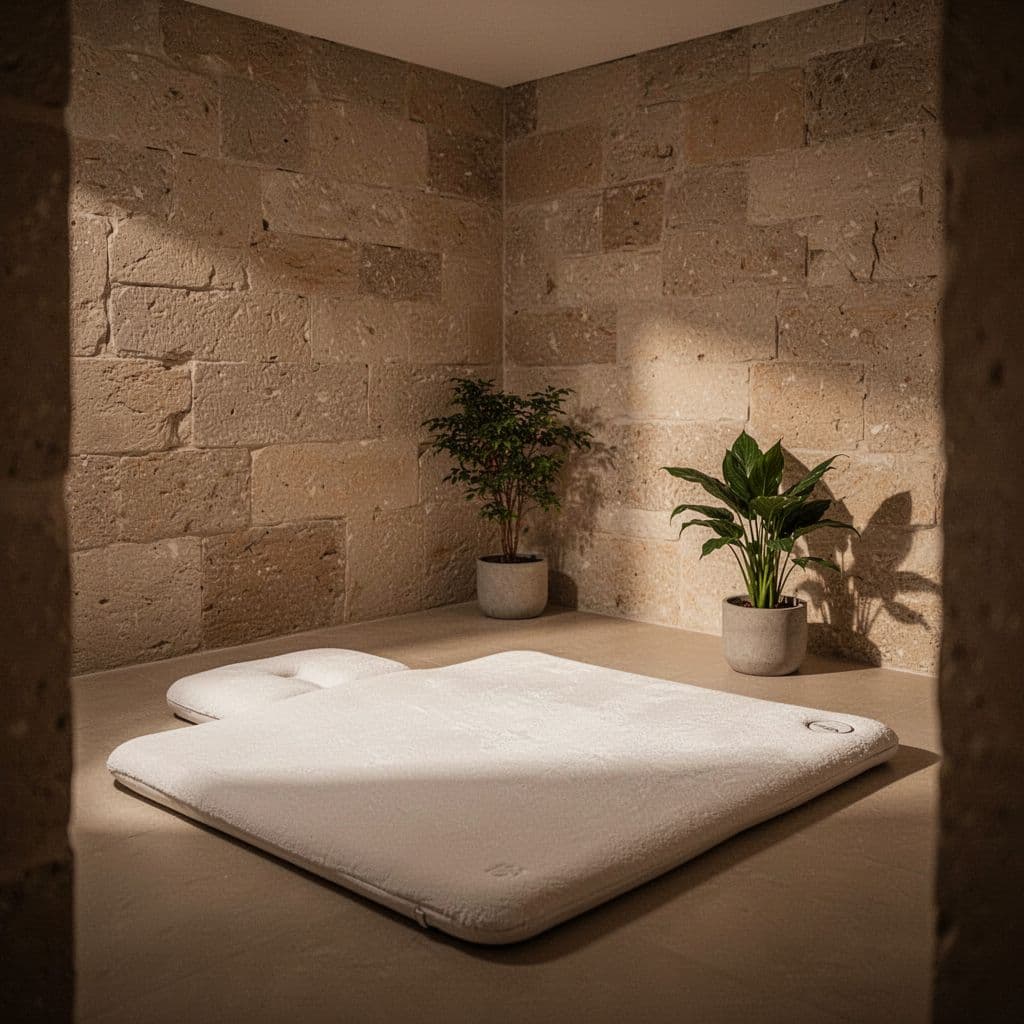
Classy Massage Spa in Kilimani stands out because it gives people what they usually want most, a calm place, a clear service menu, and a treatment that feels personal. In a busy part of Nairobi, that combination matters. You want more than a room with a massage mat, you want a space that helps your body settle before the session even begins.
 ### The spa experience, from the atmosphere to the service menu
The first thing many visitors notice is the atmosphere. The venue feels quiet and composed, with a setting that invites you to slow down instead of rush through the appointment. That matters because Thai massage works best when the whole room supports relaxation, not just the therapist’s hands.
The service menu adds to that appeal. Alongside Thai massage, the spa offers a mix of treatments that suit different needs, from lighter relaxation to more targeted body care. That variety helps visitors choose what fits their body on that day, whether they want to loosen tight muscles, settle stress, or simply enjoy a peaceful hour away from the noise.
A broad menu also makes the experience feel more personal. Some people arrive knowing exactly what they want, while others need time to compare options and pick what feels right. A spa with several choices gives them room to do that without pressure.
The best spa visits feel unhurried, and the right treatment menu makes that easier.
For people who like to read more about the team behind the space, the spa’s professional massage team and approach offers useful context. When the room feels calm and the services are easy to understand, the whole visit becomes more reassuring.
Services that pair well with Thai massage
Thai massage often works even better when you pair it with a service that supports the same goal. Some visitors want deeper relaxation, while others want help with sore feet, mental fatigue, or general body tension. That is where the extra spa offerings matter.
A few options fit especially well:
- Relaxing massage, for people who want a gentler finish or a slower pace.
- Herbal massage therapy, for those who like warmth and a comforting, restorative feel.
- Singing bowl therapy, for guests who want a quiet reset that calms the mind as much as the body.
- Foot massage, for tired legs, long workdays, or anyone who stands for hours.
- Beauty therapy, for visitors who want to combine wellness with personal care.
- Korean special bath, for people looking for a fuller spa ritual and a more complete unwind.
These services give you flexibility. If your body feels tight but your mind feels scattered, a massage can address both. If your feet are tired after a long week, foot massage may be the better starting point. If you want to leave feeling refreshed in a broader sense, a Korean special bath or beauty therapy can round out the visit.
Thai massage itself already offers stretching and pressure that help with flexibility and stress relief. For readers who want to understand its wider effects, Cleveland Clinic’s overview of Thai massage benefits is a useful reference. Pairing it with the right spa service just makes the experience more adaptable to your needs.
Booking, business hours, and what to expect as a first-time visitor
A spa feels more welcoming when booking is simple. Clear contact details, easy reservations, and known business hours remove a lot of hesitation before your visit. Instead of wondering whether the place is open or who to call, you can plan your session with less friction.
That matters for first-time visitors. If you are trying Thai massage for the first time, a booking-friendly spa helps you move at a comfortable pace. You can ask about session length, explain your pressure preference, and confirm when the spa is open before you show up.
It also helps to know what your first visit will look like. You should expect a polite reception, a short check-in, and a chance to mention any injuries or sensitive areas. After that, the session should begin without confusion, so you can relax into the treatment instead of adjusting to surprises.
A practical first visit usually includes a few simple steps:
- Confirm the appointment time and business hours.
- Share any concerns or preferences before the session starts.
- Arrive a little early so you can settle in.
- Keep your expectations clear, especially if you want softer or firmer pressure.
When the booking process is easy, the whole experience feels smoother. That is part of what makes Classy Massage Spa in Kilimani appealing, it combines a soothing environment with service that respects your time and comfort. For anyone planning Thai Massage in Kilimani, that balance makes the choice easier and the visit more worthwhile.
Simple tips to get the most from your Thai massage visit
A good Thai massage feels better when you arrive prepared and stay honest about what your body needs. Small choices matter here, because comfort, timing, and communication shape the whole session.
The goal is simple. Let the therapist work with your body, not against it. That makes the pressure more useful, the stretching more comfortable, and the recovery afterward easier to enjoy.
 ### How to speak up about pressure, pain, or comfort limits
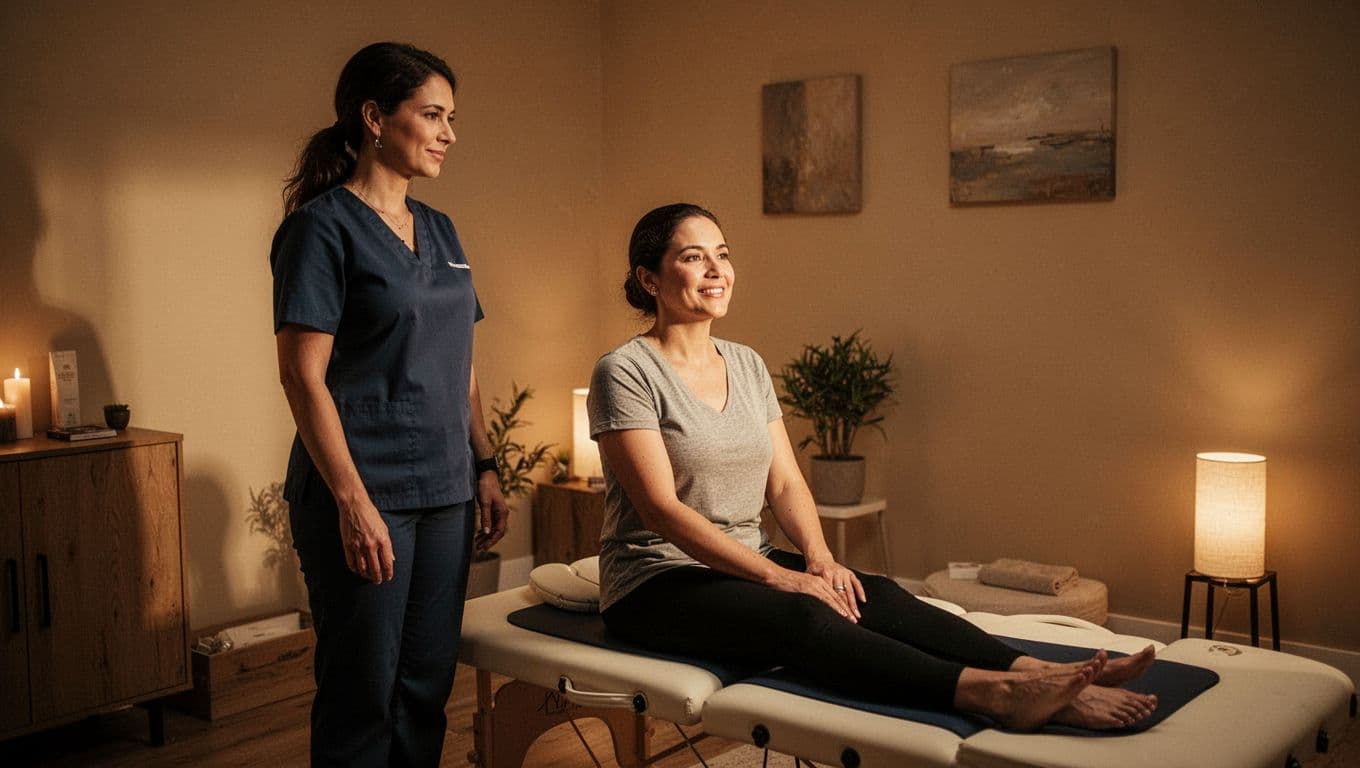
Speak up early, before tension turns into discomfort. If the pressure feels too strong, if a stretch pulls in the wrong place, or if a position feels awkward, say so right away. A skilled therapist can adjust the pace, change the angle, or soften the touch without breaking the flow.
That honesty is part of a good session. Your body should guide the treatment, not force itself into a shape that looks right on the mat. If you usually prefer lighter work, say that before the massage starts. If you want firmer pressure, say that too, because guessing rarely helps.
You can keep it simple:
- “That feels a little strong.”
- “Can we ease up on this area?”
- “My shoulder needs a gentler stretch.”
- “That pressure feels right.”
Open communication also helps if you have an old injury, a sensitive joint, or a spot that gets sore easily. A quick mention at the start gives the therapist a clearer map, and that usually leads to a better result. For more on this, open communication with your massage therapist makes a real difference in comfort and satisfaction.
A good session adapts to the person on the mat, not the other way around.
If you are booking Thai Massage in Kilimani, this kind of honesty matters even more because the treatment can shift from gentle to intense very quickly when stretching begins.
How often to book a session based on your body and schedule
Your ideal schedule depends on what you want from the visit. If you want a one-time reset, a single session can ease stiffness and leave you feeling looser for the rest of the day. That works well when you need a break after a long week, a busy trip, or too many hours at a desk.
If you want steady wellness support, booking more regularly makes sense. Many people prefer a rhythm that fits their routine, such as once every couple of weeks or once a month, because it keeps tightness from building up again. The right pace is the one you can actually keep.
A simple way to decide is this:
- Book once if you want relaxation, a trial visit, or a quick reset.
- Book regularly if your schedule creates repeat tension in the same areas.
- Space visits out if your body needs time to respond between sessions.
- Choose longer sessions when you want full-body work and more stretching.
Your calendar matters too. If life is packed, a shorter appointment may be easier to maintain than a longer one you keep postponing. However, if you already know your shoulders and hips need more time, a fuller session usually gives you better value.
After the massage, give your body a quiet finish. Drink water, move gently, and avoid rushing straight into another intense task. If you want a lighter follow-up experience next time, a softer treatment such as relaxing massage therapy can pair well with a Thai session, especially when your main goal is rest rather than strong stretching.
The best results usually come from simple habits, clear words, and realistic timing. When you choose the right pressure, the right schedule, and a little space to recover, Thai massage feels less like a one-off treat and more like care that fits your life.
Conclusion
Thai Massage in Kilimani works best when it gives the body both relief and room to move. It helps with tight muscles, stress, and the heavy feeling that builds after long hours at a desk or on the road, especially when the therapist balances pressure with careful stretching.
The best experience starts with simple preparation, clear communication, and a spa that feels clean, calm, and professional. That is why Classy Massage Spa is worth considering, it offers a serene setting, a clear range of services, and the kind of care that makes a session feel personal.
When you are ready for a treatment that leaves you looser, calmer, and more settled, a well-chosen Thai massage in Kilimani is a strong place to start.