A long day in Kilimani traffic can leave your shoulders tight, your feet sore, and your mind unable to slow down. Choosing the right Nairobi massage therapist gives you a calm space to recover, whether you need focused muscle work or a gentle hour of relaxation.
The best experience starts before you enter the treatment room. You need a clear service menu, honest pricing, good hygiene, respectful communication, and a therapist who listens to your comfort needs. This guide covers what to look for when booking massage in Nairobi, especially around Kilimani.
Key Takeaways
- Choose a massage style based on your comfort, goals, and health needs.
- Confirm the therapist’s experience, treatment duration, total price, and location before booking.
- Consent, draping, privacy, and hygiene should be clear throughout the appointment.
- Nairobi massage prices vary by session length, treatment type, spa setting, and add-ons.
- Medical symptoms need advice from a qualified healthcare professional, not massage alone.
What to expect from a professional Nairobi massage therapist
A professional massage appointment should feel organised from the first conversation. The therapist should ask about areas of tension, pressure preferences, injuries, allergies, pregnancy, and any condition that could affect treatment. You should also receive a simple explanation of the session before it begins.
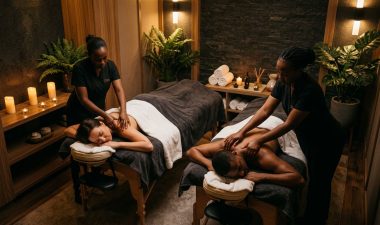
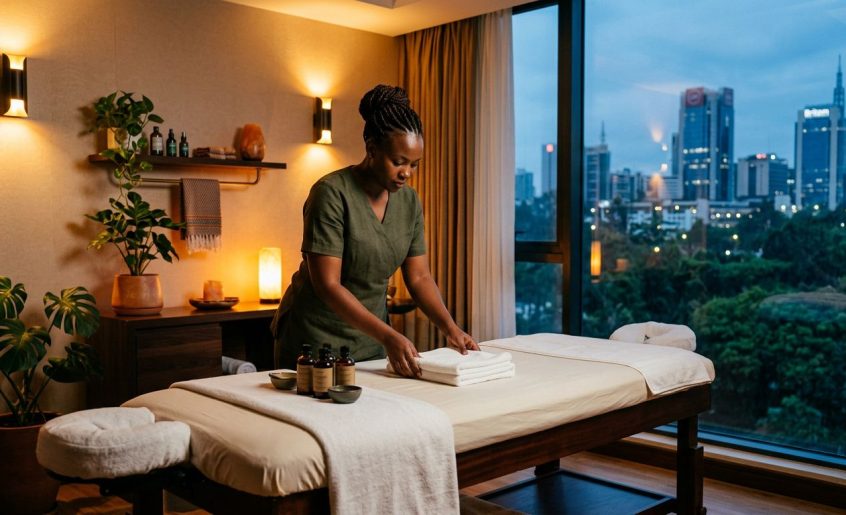
Kilimani clients often choose a Massage Spa for stress relief after work, recovery after exercise, or a quiet break from busy routines. A reputable Massage Spa Nairobi location should provide a clean treatment room, fresh linen, secure storage, suitable lighting, and enough privacy to change comfortably.
The room itself matters. A professional setting doesn’t need to be extravagant, but it should feel cared for and hygienic.
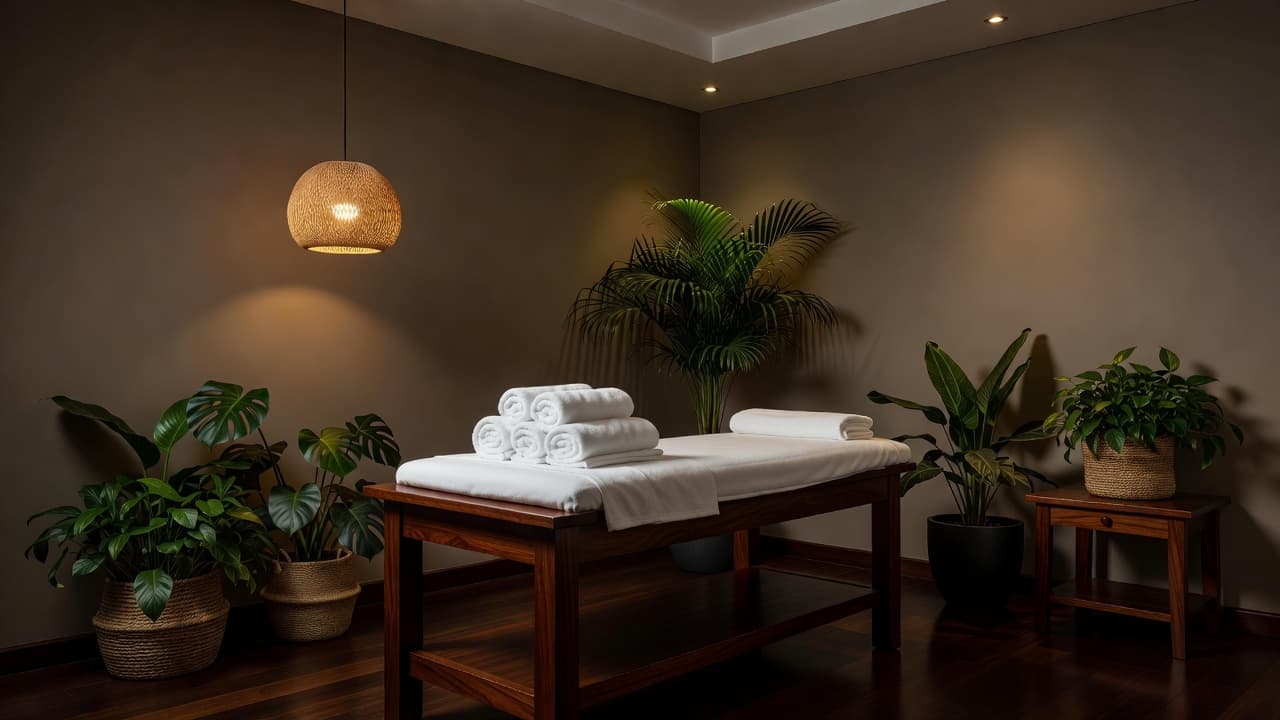
Massage treatments at Classy Massage & SPA in Kilimani include relaxation-focused options and broader body-care services. Before reserving a slot, ask whether the therapist will tailor the treatment to you or follow a fixed routine.
You should never feel pressured to accept extra services. A skilled therapist welcomes questions and adjusts pressure when you ask. They should also stop immediately if you feel sharp pain, numbness, dizziness, or discomfort.
The phrase Massage Therapist can describe many different professionals online, so don’t judge a provider by attractive photos alone. Look for clear service information, a verifiable business location, responsive communication, and reviews that mention punctuality, cleanliness, and professional conduct.
Choose the massage style that suits your body
Massage works best when the treatment matches your needs. A gentle session may help you relax, while focused pressure may suit muscular tightness after training or long hours at a desk.
Swedish Massage uses flowing strokes and light to medium pressure. Many first-time clients choose it because the pace is calm and the pressure is easy to adjust. It suits general relaxation and full-body care.
Deep Tissue Massage uses slower, firmer pressure on areas with persistent tightness. It may feel intense, so tell the therapist when the pressure becomes uncomfortable. Soreness can occur afterward, but severe pain isn’t a sign of a better session.
A Thai Massage session usually involves assisted stretches and pressure through clothing. Ask about the movements before starting, especially if you have limited mobility or a recent injury. Some Nairobi spas also advertise Asian Massage styles such as Shiatsu or Balinese massage, but the exact technique varies by provider.
For people who walk, stand, run, or train often, Foot Massage can be a practical choice. A focused session may include foot soaking, pressure work, and lower-leg massage. If you’re searching online, “Foot Massage Near me” can bring up salons, spas, and mobile providers, so check the treatment details carefully.
Lymphatic Drainage Massage uses very light, rhythmic movements. It isn’t the same as firm bodywork, and it shouldn’t be promoted as a cure for illness or a substitute for medical care. Anyone considering Lymphatic Massage after surgery or for swelling should first follow advice from a qualified healthcare professional.
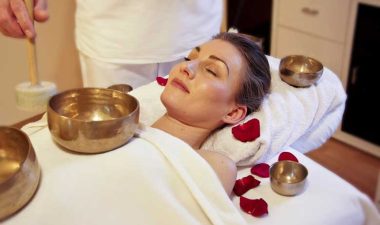
Some clients book a Full Body Massage for relaxation, while others prefer a back, neck, scalp, or foot treatment. You can also ask about hot stones, aromatherapy, singing bowl therapy, or a trekker’s foot massage if the spa offers them.
A massage video can show the general style of a treatment, but it can’t tell you whether the pressure or therapist will suit your body. Likewise, a Massage Gun, Massage Chair, or Foot Massager can support home relaxation, but these products don’t replace a personalised assessment.
How to choose a trusted therapist in Kilimani
Search results such as Massage Near me, Massage Spa Near me, and Massage Places Near Me are useful starting points. However, location alone doesn’t prove quality. Open the business profile, confirm the address, and check whether the listed hours are current.
Google searches may also show terms like Massage Therapy Near me, Massage Near Me Current Location, Massage Near Me Open Now, or Nairobi Massage Center. These phrases describe what people type, not a professional standard. Read the actual service page before booking.
Some results use broad or unclear wording, including “Nairobi Massage ladies”, “Nairobi Massage parlour”, “Massage Parlour Near Me”, or “Nairobi massage spa telegram”. Treat private messaging groups and anonymous Nairobi Massage ads with care. Don’t send money to an unverified account, share intimate photos, or visit a location that refuses to provide its business name and address.
Brand names such as Massage Envy, Elements Massage, Massage heights, and Hand and Stone Massage may also appear in search results. These are associated with businesses outside Kenya and shouldn’t be treated as local Kilimani options without a verified Nairobi address. Massage Warehouse is mainly known as a massage supply retailer, not a Nairobi treatment provider.
Before confirming, ask these practical questions:
- Who will provide the treatment, and what training or experience do they have?
- How long will hands-on treatment last?
- What is included in the quoted price?
- Can you choose the pressure and areas covered?
- What are the cancellation and rescheduling terms?
- Is the treatment room private, and how is draping handled?
Training matters because massage involves the body, pressure, positioning, and personal boundaries. For more context on massage education in Kenya, see this overview of massage therapy training. A certificate doesn’t answer every question, but a therapist who can explain their training and limits is easier to trust.
Nairobi massage prices and booking details
Massage prices in Nairobi vary widely. Session length is often the first factor, with 30, 45, 60, and 90-minute appointments commonly listed. A longer session costs more, while hot stones, aromatherapy, scrubs, steam access, or couples packages may increase the total.
Current Nairobi pricing guides place basic massages around KES 2,000 at some providers. Swedish sessions often fall around KES 4,500 to KES 8,500, while deep tissue treatments may range from about KES 5,500 to KES 12,500. Premium spa rituals and full packages can cost much more, sometimes reaching tens of thousands of shillings.
These figures are useful for comparison, not a guaranteed price list. Hotel spas, independent studios, mobile therapists, and luxury wellness centres have different overheads. A low price may reflect a shorter session, a simpler room, or fewer included services. A high price should come with clear details rather than vague promises.
You can view massage pricing plans before booking a Kilimani treatment. Also confirm whether the advertised price includes VAT, transport, consultation time, towels, and any add-on. Mobile appointments may charge a separate travel fee.
Don’t book from a screenshot alone. Ask for the current menu, exact location, available appointment times, and payment policy. If you arrive late, clarify whether the session will still receive the full advertised duration.
Hygiene, consent, privacy, and safety
Cleanliness should be visible. Fresh sheets should cover the massage table, towels should look clean, and the therapist should wash or sanitise their hands before treatment. Oils and creams should come from clean containers, while floors, bathrooms, and shared facilities should receive regular attention.
Consent should continue throughout the appointment. You choose which areas receive massage, what clothing remains on, and how much pressure feels comfortable. Proper draping covers the body, leaving only the area being treated exposed. You can pause or end the session at any time.
Privacy also applies to your personal information. A reputable spa should handle your phone number, health details, and booking messages discreetly. Avoid providers who pressure you to move conversations to secret channels or refuse to identify the therapist before your appointment.
Massage may not be suitable in every situation. Speak with a healthcare professional before booking if you have unexplained swelling, a recent fracture, an active infection, blood-clot concerns, serious heart problems, uncontrolled high blood pressure, or a recent operation. Pregnant clients should choose a therapist trained in prenatal care and follow their clinician’s advice.
During the session, communicate early. Say “lighter pressure”, “please avoid my knee”, or “stop there” without feeling embarrassed. A good therapist treats those instructions as normal parts of safe care.
Prepare for a calmer appointment
Arrive a few minutes early so you can complete the consultation without rushing. Avoid a heavy meal immediately before treatment, drink water normally, and wear clothes that allow you to change comfortably. Tell the therapist if you feel cold, have sensitive skin, or prefer unscented oil.
Afterward, stand up slowly. Light movement may feel better than intense exercise straight away, especially after firm work. If pain persists, becomes severe, or comes with weakness, swelling, fever, or numbness, seek medical advice.
For regular clients, keep notes on the treatments that suit you. Record the pressure, duration, areas treated, oil used, and how your body felt the next day. That information helps your next Nairobi Massage Therapist personalise the session without guessing.
Conclusion
Finding a good massage therapist in Nairobi takes more than choosing the closest listing. Check the treatment style, therapist experience, total cost, location, hygiene standards, and consent practices before you book.
For Kilimani clients, a professional spa should offer comfort without pressure and relaxation without exaggerated medical promises. Choose the session that matches your needs, communicate clearly, and treat safety as part of the massage experience.