A good massage therapist does more than apply pressure to tight muscles. They listen to your concerns, understand body mechanics, and adjust each session to match how you feel that day.
If long work hours, traffic, workouts, or poor sleep leave you sore, the right treatment can help you relax and move more comfortably. The wrong choice, however, may leave you uncomfortable or disappointed. Here’s how to find professional massage therapy in Kilimani and choose a session that suits your body.
Key Takeaways
- A qualified massage therapist should ask about your health, comfort, and treatment goals.
- Swedish Massage suits relaxation, while Deep Tissue Massage targets persistent muscle tension.
- A safe spa explains prices, privacy practices, hygiene standards, and appointment details.
- Massage tools can support recovery at home, but they don’t replace skilled hands.
- Kilimani residents should compare nearby providers instead of relying only on online ads.
What a Massage Therapist Actually Does
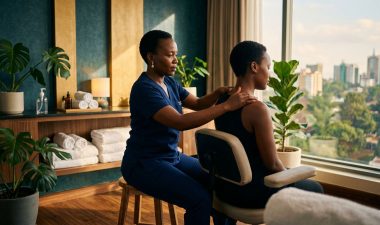
A massage therapist uses hands, forearms, elbows, or specialist tools to work on soft tissue. Depending on the treatment, they may focus on muscles, connective tissue, circulation, or areas affected by repetitive strain.
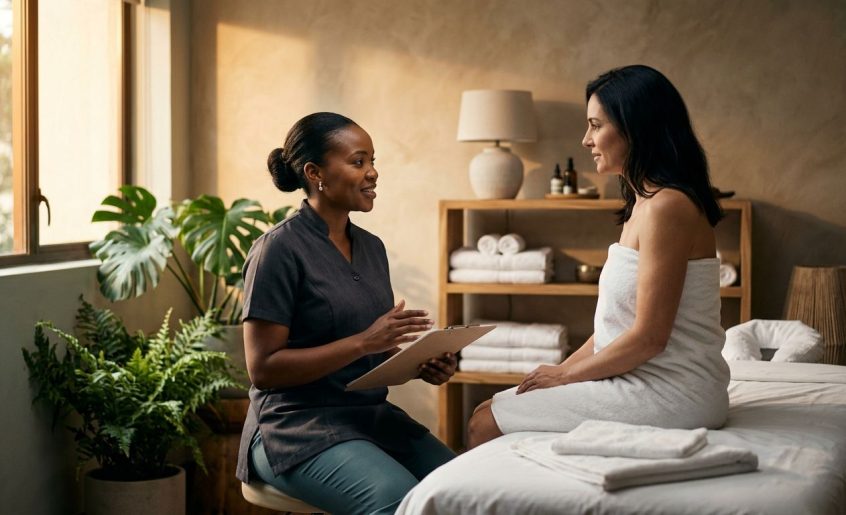
The first part of a professional appointment should involve a short consultation. You may discuss back pain, neck stiffness, exercise habits, pregnancy, recent surgery, medication, or any condition that could affect treatment. This conversation helps the therapist choose suitable pressure and avoid sensitive areas.
Massage Therapy can support relaxation, ease muscle tightness, and improve how your body feels after demanding physical or mental work. However, it isn’t a replacement for medical care. If you have unexplained pain, swelling, numbness, fever, a serious injury, or a blood-clotting condition, seek medical advice before booking.
The Mayo Clinic Health System’s guide to massage benefits discusses possible benefits such as reduced muscle stiffness, improved circulation, and better sleep. The response varies between people, so a responsible therapist avoids promising a cure.
In Kilimani, a good practitioner should also respect your boundaries. You should remain properly draped, choose whether certain areas receive treatment, and stop the session at any time. Professional care depends as much on communication as technique.
Which Massage Treatment Fits Your Needs?
Your preferred treatment should match your reason for booking. A relaxing session may feel ideal after a stressful week, while a firmer approach may suit someone with tight shoulders after training.
Swedish Massage uses flowing strokes, kneading, and light to moderate pressure. Many first-time clients choose it because it encourages relaxation without an intense sensation. It can also work well for a general Full Body Massage when you want attention across the back, legs, arms, and shoulders.
Deep Tissue Massage uses slower, firmer pressure on areas with long-standing tension. It may suit tight glutes, stiff shoulders, or overworked legs, but stronger pressure isn’t automatically better. Tell the therapist if the sensation becomes sharp, painful, or excessive.
Thai Massage usually combines assisted stretches, compression, and movement. Clients often remain in loose clothing, depending on the provider’s method. Asian Massage can refer to several traditions, so ask what a spa means by that description before booking.
A Foot Massage is useful when you spend much of the day standing, walking, or wearing uncomfortable shoes. A Trekker’s Foot Massage can be especially appealing after hiking or travel. For targeted fluid-related care, ask whether the practitioner provides Lymphatic Drainage Massage, what training they have, and whether your doctor has recommended it.
Aromatherapy, hot stones, and herbal treatments can add comfort, but they don’t suit everyone. Tell your therapist about allergies, skin sensitivity, and your preferred scent before the oils are applied. You can view Classy Massage’s massage menu and service fees before arranging an appointment in Kilimani.
What to Expect During Your Massage Session
Your appointment should feel calm, private, and organised from the moment you arrive. The therapist will usually ask what you want to address, how much pressure you prefer, and whether you have any health concerns.
You’ll then receive instructions about changing clothes and positioning yourself on the table. You only need to uncover the area being treated. Proper draping keeps the rest of your body covered, and you can request adjustments at any point.
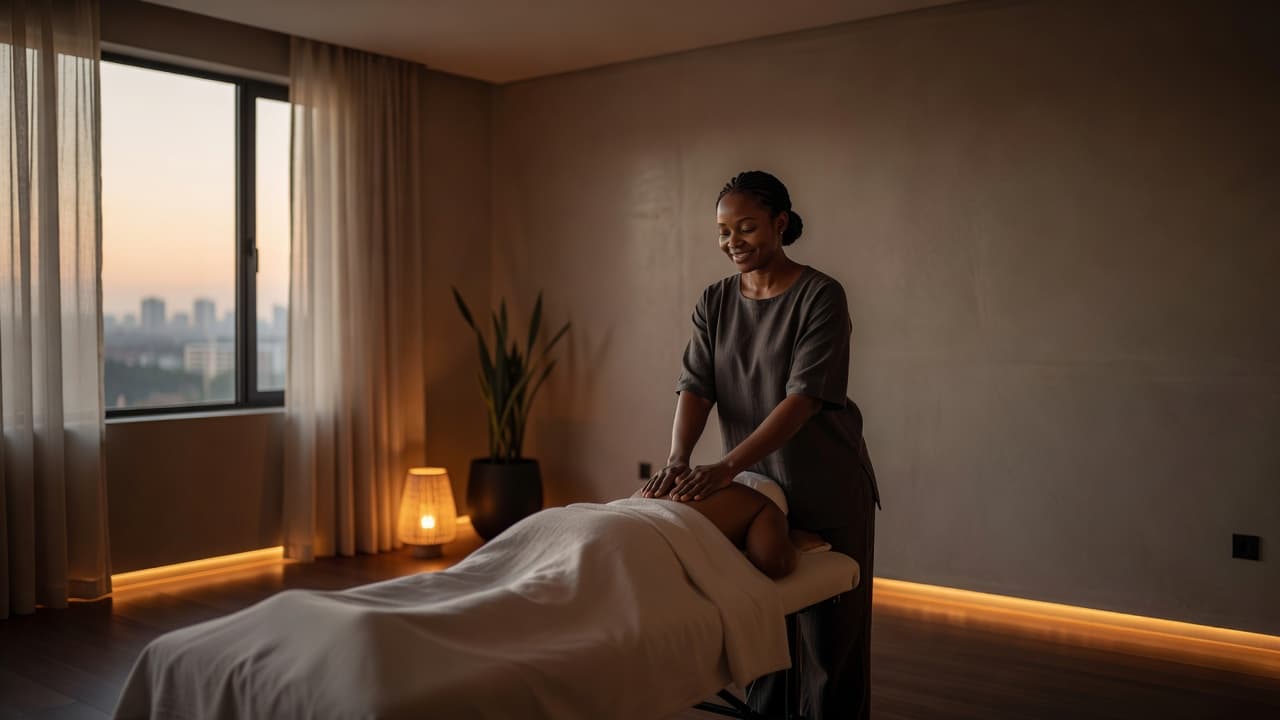
The therapist may begin with broad, gentle strokes before using more focused techniques. During a Deep Tissue Massage, they should check your comfort rather than forcing pressure. During a relaxing session, slow movements and a quiet environment may help your breathing settle.
Speak up if the room feels cold, the music is too loud, the pressure is uncomfortable, or you want to end the treatment. Clear feedback helps the therapist adjust the session safely.
Afterward, drink water if you feel thirsty and stand up slowly. Mild tenderness can occur after firmer work, but severe pain, bruising, dizziness, or lasting numbness needs medical attention. The American Massage Therapy Association’s reasons for massage includes stress relief and reduced muscle tension among common reasons people seek treatment.
If you prefer a gentle start, Classy Massage offers a professional relaxation therapy session in its Kilimani spa setting.
Finding a Safe Massage Therapist in Kilimani
Search results can make local choices confusing. You might type Massage Near me, Massage Spa Near me, or Massage Near Me Current Location and see salons, hotels, independent practitioners, and directories. Proximity is helpful, but it shouldn’t be your only filter.
Check whether the provider clearly states its location, services, treatment duration, prices, and booking process. A professional Nairobi Massage Therapist should answer basic questions without pressuring you to book immediately. Look for recent reviews that mention punctuality, hygiene, communication, and treatment quality.
Some listings use phrases such as Massage Places Near Me, Massage Therapy Near me, Massage Near Me Open Now, or Massage Parlour Near Me. These searches can help you find options, but verify the actual business before visiting. Confirm that the phone number, address, and business name match across its website and social pages.
Be careful with anonymous Nairobi Massage ads and vague posts shared through Nairobi Massage spa telegram groups. Ask who provides the treatment, where the appointment takes place, what the price includes, and whether the location is a genuine spa. Don’t send a large deposit to an unverified contact or share sensitive personal information.
You may also see terms such as Nairobi Massage ladies, massage Nairobi, Nairobi Massage Near me, Nairobi Massage Center, or Nairobi Massage parlour in online listings. These phrases don’t tell you whether a service is trained, hygienic, or professional. Read the details behind the listing and choose a provider that treats clients with respect.
Before booking, ask these practical questions:
- Which therapist will handle the appointment?
- What type of massage suits my concern?
- How long is the session, and what is the full price?
- Can I request lighter pressure or stop during treatment?
- Are oils, hot stones, or other extras charged separately?
A clear answer builds more trust than an attractive photograph or vague promise.
Therapist or Home Massage Tool?
Massage tools can be convenient between appointments, especially when you understand their limits. A Massage Gun may help warm up or relax large muscle groups, but pressing it over the neck, spine, joints, open wounds, or swollen areas can cause problems. Use the lowest comfortable setting and follow the manufacturer’s instructions.
A Massage Chair can provide short periods of vibration or rolling pressure while you work or rest. A Foot Massager may feel pleasant after a long day, but neither device can assess your posture, ask about symptoms, or adapt to subtle changes in your body.
You may encounter product searches for Massage Warehouse, or brand searches such as Massage Envy, Elements Massage, Hand and Stone Massage, and Massage heights. These names may help you compare products or chains in other markets, but local availability and service standards differ. A familiar brand name doesn’t remove the need to check the individual location.
A Massage video can teach basic self-massage or stretching, yet it can’t replace hands-on assessment. Home tools work best as supporting options, not substitutes for a trained professional. If pain keeps returning, book an assessment rather than increasing pressure or treatment time on your own.
How Often Should You Book?
The right schedule depends on your goals, budget, and response after each session. Someone seeking occasional relaxation may book when stress builds, while an athlete may arrange sessions around training and recovery. A person with persistent pain should first discuss the problem with a healthcare professional.
Start with one appointment and notice how your body responds over the next day. Keep track of soreness, mobility, sleep, and comfort. Then tell your therapist what helped and what felt excessive.
A session can support a healthy routine, but it works best alongside sleep, movement, hydration, and suitable medical care. Regular appointments shouldn’t become a reason to ignore pain that needs diagnosis.
Choosing Care That Feels Right
The best massage therapist for you is someone who combines sound technique with careful listening. Before booking in Kilimani, check the treatment style, price, location, privacy standards, and communication offered by the spa.
Whether you want a calming Swedish Massage, focused Deep Tissue Massage, or a simple Foot Massage, your comfort should guide the session. A professional appointment leaves you feeling cared for, informed, and confident about your next step.