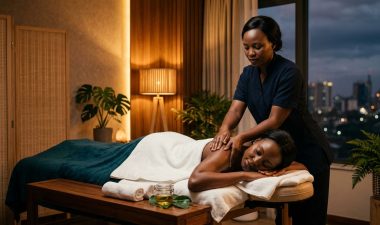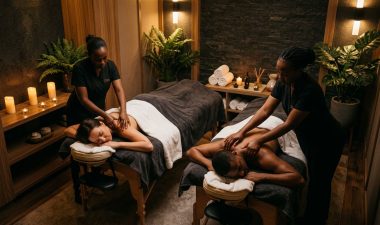
A good massage app can turn a stressful search into a confirmed appointment in a few minutes. You can compare therapists, check open times, choose a treatment, and receive reminders without making several phone calls.
For people in Kilimani, the real value is local accuracy. The app should show nearby providers, clear treatment details, honest prices, and a safe way to communicate. Here is how to use one without rushing into the wrong booking.
How a massage app works before and after booking
Most massage apps fall into two groups. Some connect clients with independent therapists for home, hotel, or workplace visits. Others help established spas manage appointments, payments, client records, reminders, and treatment schedules.
You usually begin by entering your location, selecting a service, and choosing a time. A location search may use your current position or a selected neighborhood. Search terms such as “Massage Near me”, “Massage Spa Near me”, and “Massage Near Me Current Location” can help, but the results still need checking.
For Nairobi clients, try more focused searches such as “massage Nairobi”, “Nairobi Massage Near me”, “Massage Spa Nairobi”, or “Nairobi Massage Center”. If you need an appointment soon, “Massage Near Me Open Now” may be useful. However, opening hours shown in an app can become outdated, so confirm the time when the appointment matters.
The app then displays available treatments and provider profiles. Depending on the platform, you may see therapist experience, customer reviews, service duration, location, travel fees, and cancellation terms. Some platforms also match you with a therapist based on availability or previous preferences.
A booking normally ends with a confirmation message, payment request, or deposit option. Automated reminders may arrive by text or email before the session. MassageBook’s 2026 massage therapy market analysis reports that 78% of customers complete online bookings on mobile devices, while 40% book outside normal business hours. That makes mobile booking useful when you need care after work.
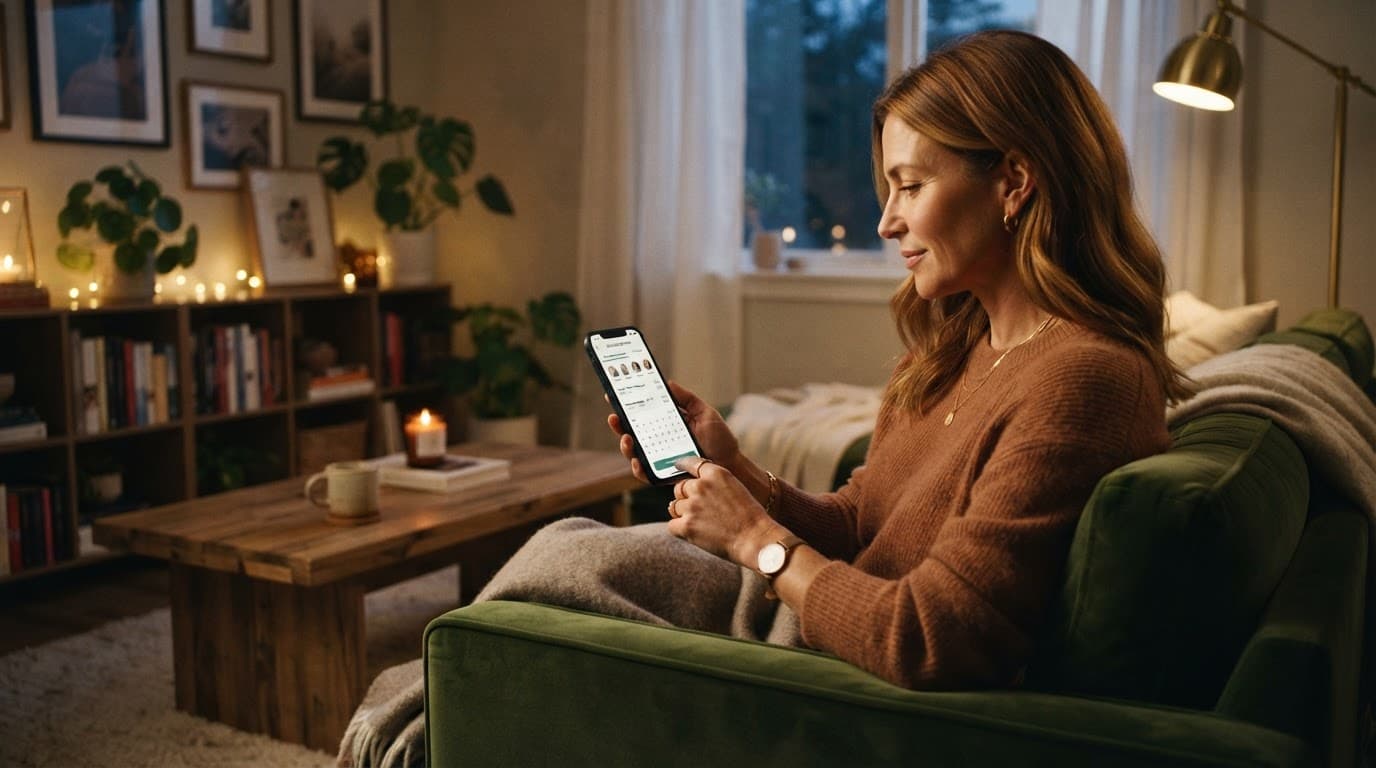
A reliable platform should make the next step clear. You should know who is coming, what treatment you selected, where the session will happen, and what you will pay.
What a massage app should do before you book
Convenience matters, but useful features protect your time and comfort. Start with live availability. A calendar should show appointments that are genuinely open, rather than sending you through a long request process.
Treatment pages also need detail. “Body Massage” can mean several things, so look for the technique, duration, pressure level, and whether the service takes place at a spa or your location. A clear listing may distinguish a relaxing Swedish Massage from a firm Deep Tissue Massage or a traditional Thai Massage.
The best booking systems also offer:
- A therapist profile with a real name, service area, experience, and current reviews.
- An intake form that asks about injuries, allergies, pregnancy, medical conditions, and pressure preferences.
- A secure payment process with a receipt, deposit policy, and cancellation information.
- Automatic reminders that include the date, time, address, and contact details.
- A way to request changes without exposing your personal number to every provider.
- Support when a therapist cancels, arrives late, or fails to match the booking.
Some professional systems, including Mindbody, MassageBook, WellnessLiving, and Zenoti, combine scheduling with digital intake forms, staff calendars, payments, client notes, and marketing tools. Those platforms are often built for businesses, so their availability in Nairobi may differ from their availability in the United States or other markets.
A consumer marketplace such as Soothe follows a different model. It focuses on matching clients with available wellness providers, sometimes for home or hotel visits. Before using any international service, confirm that it operates in Kenya and displays prices in a currency you understand.
Reviews can help, but read them carefully. Several detailed reviews that mention punctuality, hygiene, pressure, and communication are more useful than dozens of vague five-star comments. A star rating alone cannot tell you whether a provider suits your needs.
How to choose a reputable provider in Nairobi
A search result is only a starting point. Before booking, open the provider’s profile and look for a physical location, working phone number, clear service menu, and consistent business details. The name on the app should match the name on the payment request and confirmation message.
For a spa visit, check the address and arrival instructions. People looking for “Massage Places Near Me”, “Massage Therapy Near me”, or “Foot Massage Near me” should still confirm the exact neighborhood. Kilimani results can include nearby areas, and travel time may change during busy hours.
Home visits need extra care. The platform should identify the therapist before arrival and show the appointment record. You should be able to share the booking details with someone you trust. A professional provider should also explain boundaries, consent, draping, hygiene, and what the session includes.
Avoid listings that use vague wording or pressure you to move immediately to a private chat. Searches such as “Nairobi Massage ladies”, “Nairobi Massage spa telegram”, and “Nairobi Massage ads” may produce unverified contacts. “Massage Parlour Near Me” and “Nairobi Massage parlour” can also return listings with little information about qualifications or treatment standards. A professional service should make its policies easy to find.
If you prefer an established spa in Kilimani, review the Kilimani spa services and prices before booking. You can compare the atmosphere, treatment choices, and appointment process instead of relying on a short social media post.
Ask these questions before confirming:
- Who will provide the treatment, and where will it take place?
- What pressure and technique does the service use?
- What is included in the quoted price?
- Do I need to pay a deposit, and what happens if I reschedule?
- Can I speak with someone if the app shows an error?

A clean, calm setting is not a luxury detail. It affects how comfortable you feel and how confidently you can communicate during treatment.
Privacy and safety checks for massage booking apps
A massage app may collect your name, phone number, location, health information, booking history, and payment details. Read its privacy policy before creating an account, especially if the app requests access to your contacts, microphone, or exact location.
Location access can help with a nearby search, but you may not need to share your position all the time. Choose a limited permission when your phone offers one. Also check that the payment page uses a secure connection and that the receipt comes from the business you booked.
Health information deserves careful handling. Tell the therapist about injuries, recent surgery, skin conditions, blood-clotting problems, severe pain, or other conditions that could affect the session. A responsible provider may recommend medical advice before certain treatments. Lymphatic Massage and Lymphatic Drainage Massage, for example, require more care than a general relaxation session when swelling or illness is involved.
Consent should remain part of the appointment, not only part of the form. You can ask for less pressure, change the music, stop the session, or decline an area of the body at any time. The therapist should respond professionally.
Be cautious when an app has no customer support, no cancellation policy, no verified provider identity, or no record of your booking. Screenshots of a chat are not a substitute for a proper confirmation.
Match the treatment to your reason for booking
Choose the service based on your goal, not only the most popular photo. Swedish Massage often suits people who want gentle relaxation. Deep Tissue Massage may suit focused muscle work, but stronger pressure is not automatically better.
A Full Body Massage can provide general relaxation, while a Foot Massage may suit tired feet after commuting or standing for long hours. Ask whether the spa offers a specialized foot treatment, such as a trekker’s foot massage, and how long it lasts.
Thai Massage usually involves assisted stretching and movement, so tell the therapist about limited mobility or recent injuries. Lymphatic treatments have a different purpose from ordinary bodywork and should be booked with a trained provider.
Some app searches mix professional services with products. A Massage Gun, Massage Chair, or Foot Massager may appear alongside therapists. These devices can support home care, but they don’t replace a qualified assessment when pain persists. Massage Warehouse is also generally associated with equipment and supplies, not a local Nairobi appointment.
Brand searches can create similar confusion. Massage Envy, Elements Massage, Hand and Stone Massage, and Massage Heights are known chain names in some markets, but their results may not represent services in Kilimani. Meanwhile, the phrase “Asian Massage” is too broad to tell you which technique a provider uses. Ask for the exact treatment name and pressure style.
A short Massage video can show a technique, but it cannot prove that a provider is qualified or that the treatment is right for you. Use videos for general information, then rely on the therapist’s profile, intake questions, and direct communication.
How to make your booking easier
Save your preferred spa and therapist after a good appointment. Many platforms remember your treatment, pressure preference, and appointment history, which reduces repeated questions next time.
Book enough time for travel, especially when visiting Kilimani during busy periods. If you need a specific therapist, avoid waiting until the last minute. Read the cancellation policy before paying a deposit, then keep the confirmation message until the appointment ends.
A booking app should reduce uncertainty, not remove your judgment. Compare the provider’s identity, treatment details, location, reviews, payment process, and safety standards before you confirm.
Conclusion
A massage app is useful when it gives you accurate availability, clear treatment information, secure payments, and a reliable provider profile. For Kilimani clients, local verification matters as much as speed.
Use focused searches, ask direct questions, and choose a spa or therapist that explains its service clearly. The right booking experience should leave you feeling prepared before the massage begins, not unsure about who you have invited or what you have paid for.