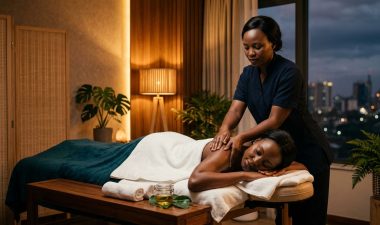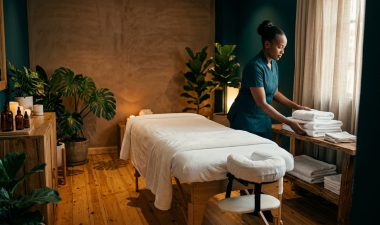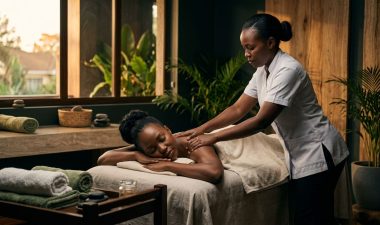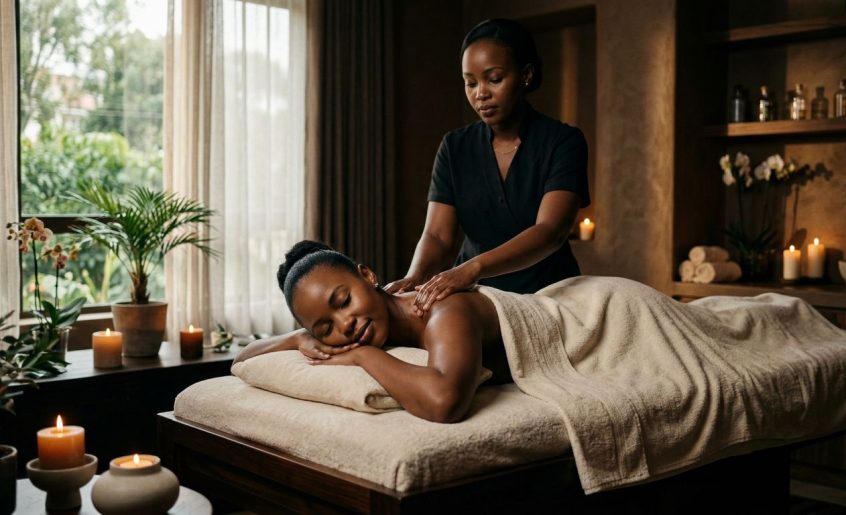
A full body massage for women can ease the physical strain of long workdays, workouts, travel, and poor sleep. It can also give you a quiet hour to slow your breathing and reconnect with how your body feels.
The right session should feel safe, respectful, and tailored to your comfort. Pressure, draping, music, conversation, and therapist gender are all reasonable preferences to discuss before treatment. Start by understanding the benefits, massage styles, and standards to expect at a professional spa.
What a full body massage for women can help with
Massage works on soft tissues such as muscles, tendons, ligaments, and connective tissue. A therapist may use gliding strokes, kneading, compression, stretching, or gentle pressure, depending on your goals.
Many women book a massage after noticing tight shoulders, aching lower backs, tired legs, or general muscle stiffness. Others want support with relaxation and sleep. Research on women’s experiences with therapeutic massage reported relaxation, improved sleep, and reduced anxiety among the benefits participants described. You can read the study on women’s massage experiences for more detail.
Massage may help you feel less tense for a period after treatment, but it isn’t a cure for an illness. Results differ based on your health, stress level, activity, and the type of pressure used. The NIH overview of massage therapy also describes possible effects on relaxation, heart rate, blood pressure, and stress responses.
A full-body session usually includes the back, shoulders, arms, legs, feet, neck, and sometimes the scalp. Your therapist should explain what areas the appointment covers. You can leave out any area, including the abdomen, glutes, chest, or feet, without giving a reason.
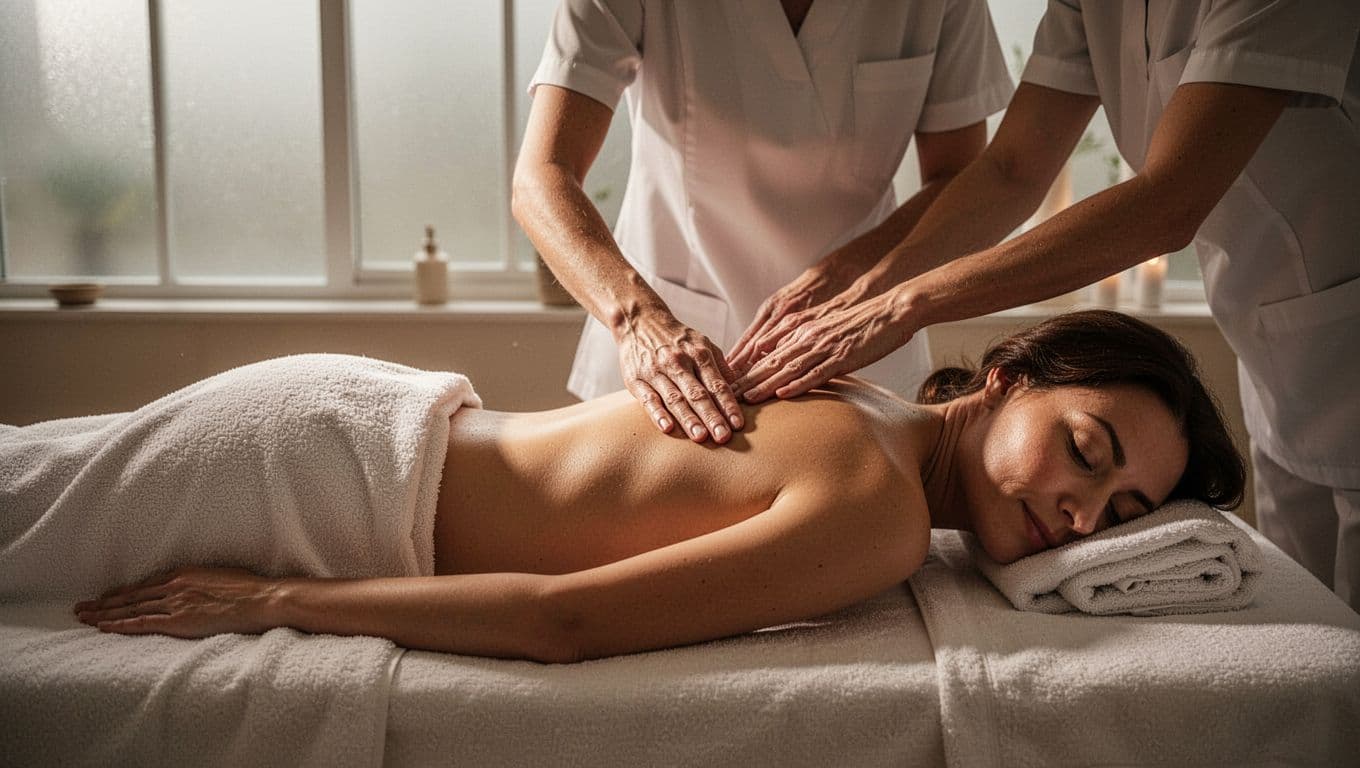
A professional massage is therapeutic and non-sexual. The therapist should use appropriate draping, expose only the area being treated, and keep the environment private. If anyone suggests sexual services, makes unwanted comments, or ignores your boundaries, end the appointment and leave.
Choosing the right massage style
Different techniques suit different needs. A consultation helps the therapist select pressure and movements that match your body rather than following a fixed routine.
Swedish Massage for relaxation
Swedish Massage uses flowing strokes, kneading, and light to moderate pressure. It is a practical choice for a first appointment, stress relief, or a woman who wants a calm, comfortable full-body experience.
Tell the therapist if you bruise easily or prefer light pressure. Relaxation should never depend on tolerating pain.
Deep Tissue Massage for stubborn tension
Deep Tissue Massage uses slower strokes and firmer pressure on areas of chronic tightness. It may suit muscular tension in the back, shoulders, hips, or legs, but strong pressure isn’t automatically better.
A skilled therapist checks in during the session. Sharp pain, numbness, tingling, or a feeling that you need to brace your body are signs to request less pressure.
Thai Massage and Asian Massage styles
Thai Massage usually involves clothing, assisted stretches, compression, and movement. Some providers perform it on a floor mat rather than a massage table. Ask about the format before booking, especially if you have limited mobility or joint problems.
Asian Massage is a broad search term, not one standard method. Ask which technique the spa offers, whether the treatment is oil-based, and what clothing or draping you will use.
Lymphatic Massage and foot-focused care
Lymphatic Massage uses gentle, rhythmic movements. A trained provider may offer Lymphatic Drainage Massage for specific concerns, but it shouldn’t be marketed as a cure-all or a substitute for medical care. If you have swelling, recent surgery, an infection, or a diagnosed lymphatic condition, speak with your clinician first.
A Foot Massage can help tired feet feel more comfortable after standing, walking, or traveling. In Kilimani, a foot-focused treatment may be a good option when you want shorter care instead of a complete Body Massage. A Foot Massage Near me search can help you compare locations, but check what the appointment includes.
Home products have a different role. A Massage Gun can irritate a sore area when used too aggressively, while a Massage Chair cannot adjust its technique like a trained professional. A Foot Massager may provide temporary comfort, but it doesn’t replace assessment when pain continues.
What to expect during a professional session
Your visit should begin with a short consultation. The Massage Therapist may ask about pain, activity, allergies, skin sensitivity, medications, pregnancy, recent procedures, and your preferred pressure.
You should also receive clear information about the treatment. Ask how long the session lasts, which areas are included, whether oils are used, and what you should wear. You can request a woman therapist if the spa has one available, although professionalism and respect should guide the service regardless of the therapist’s gender.
Before the massage begins, the therapist should leave the room while you undress to your comfort level. You remain covered with a sheet or towel, except for the area being worked on. Underwear can stay on. You never need to remove clothing that makes you uncomfortable.
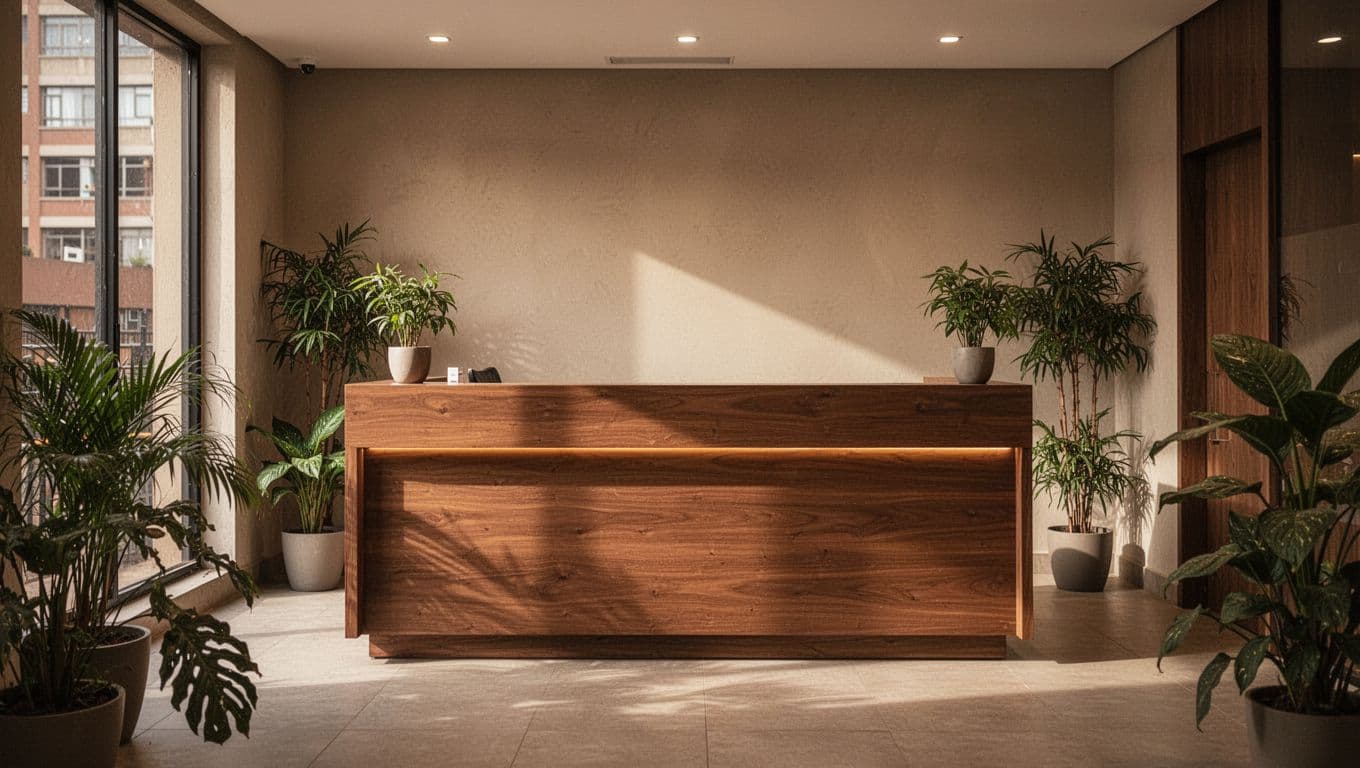
During treatment, you can ask for changes at any time. Say, “Please use less pressure,” “Keep this area covered,” or “I’d like to stop.” Consent continues throughout the appointment, so agreeing at the start doesn’t mean you must continue with every technique.
You can choose silence, light conversation, or instructions about breathing and positioning. A good therapist doesn’t take feedback personally. They adjust the session without making you defend your preference.
Afterward, stand up slowly if you feel relaxed or light-headed. Give yourself time before rushing back into traffic or a demanding task. Mild tenderness can occur after firm work, but significant pain deserves attention.
Finding a safe massage spa in Kilimani
People use searches such as “Massage Near me”, “Massage Spa Near me”, “Massage Places Near Me”, and “Massage Therapy Near me” when comparing local options. For hours and convenience, phrases like “Massage Near Me Open Now” or “Massage Near Me Current Location” can narrow results.
Local searches also include “Massage Spa Nairobi”, “massage Nairobi”, “Nairobi Massage Near me”, and “Nairobi Massage Center”. These phrases can find useful listings, but they don’t confirm training, hygiene, privacy, or service quality.
Look for a spa that provides a clear service menu, a physical location, appointment details, and professional contact channels. A massage therapy guide for Kilimani can help you understand what to ask before making a booking.
Some listings use phrases such as “Nairobi Massage ladies”, “Nairobi Massage spa telegram”, or “Nairobi Massage ads”. A Telegram contact or attractive advert isn’t proof of a legitimate wellness practice. Ask who performs the treatment, where it takes place, what the boundaries are, and whether the provider offers a proper consultation.
The terms “Massage Parlour Near Me” and “Nairobi Massage parlour” can also describe very different businesses. Choose a provider that states its therapeutic or spa services clearly. A professional center won’t pressure you into unlisted services or make sexual suggestions.
International brand names can appear in search results too, including Massage Envy, Elements Massage, Hand and Stone Massage, and the phrase “Massage heights”. Those businesses may not operate in Nairobi, so confirm the actual location before sharing personal details. Massage Warehouse is mainly associated with massage products and equipment, not necessarily a local treatment provider.
For people in Kilimani, Classy Massage & SPA’s massage benefits and styles provide another place to review treatment options before contacting the spa. Check the current service details directly because availability and prices can change.
Consent, privacy, and comfort should come first
A good massage is collaborative. You decide whether the therapist works on your neck, feet, abdomen, glutes, scalp, or any other area. You can also request extra towels, a different room temperature, less music, or a different position.
Tell the therapist about scars, tattoos, recent injuries, sensitive skin, sensory needs, or areas you don’t want touched. If you menstruate, you can still book a massage, but mention any discomfort and choose the position that feels easiest.
Appropriate draping is part of professional care. The sheet should stay secure, and the therapist should uncover only the working area. Breast tissue and genitals should remain covered. A therapist shouldn’t ask you to pose, remove more clothing, or accept touch outside the agreed treatment.
Privacy also includes your personal information. The spa should handle your phone number, health details, and payment information discreetly. You should feel comfortable asking about the therapist’s qualifications and the business’s hygiene practices.
When to postpone or consult a clinician
Massage isn’t suitable for every situation. Postpone treatment if you have a fever, contagious skin condition, open wound, or an active infection. Ask a clinician before booking if you have unexplained swelling, severe or sudden pain, a recent fracture, a blood-clot concern, uncontrolled blood pressure, or a condition that affects sensation.
Pregnant women should choose a therapist trained in prenatal massage and obtain medical guidance when needed. The same applies after surgery or other procedures. Lymphatic work requires particular care when swelling has an unknown cause.
Avoid massage over fresh bruises, irritated skin, surgical sites, or areas with severe inflammation. Tell the therapist about blood-thinning medication and any medication that affects pain or sensation.
Stop the session if you develop chest pain, trouble breathing, faintness, new weakness, severe headache, or unusual numbness. Seek prompt medical care for those symptoms rather than treating them as a normal massage reaction.
Conclusion
A full body massage for women should leave you feeling heard, covered, and in control. Swedish Massage often suits relaxation, Deep Tissue Massage targets selected areas, Thai Massage uses movement, and lymphatic techniques require extra screening.
Before booking in Kilimani, confirm the therapist’s training, treatment boundaries, privacy standards, and appointment details. The best session is not the strongest one. It’s the one that matches your health, comfort, and reason for visiting.