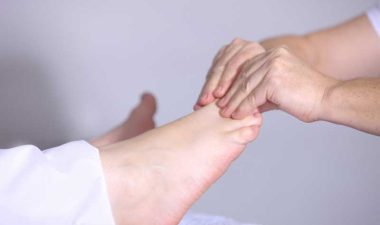
Long hours at a desk, a heavy commute, or a demanding workout can leave your back feeling tight and tired. A back massager may offer short-term pain relief at home, especially when you choose the right design and use it with care.
The best device depends on where you feel discomfort in your upper and lower back, how much control you want, and whether you prefer focused pressure or a seated massage. When shopping for electric back massagers, consider how targeted support can aid temporary pain relief, but remember that persistent or severe symptoms still need assessment from a qualified healthcare professional.
Key Takeaways
- Choose a back massager design that matches your comfort preferences and the specific areas of your back experiencing tension, such as handheld devices or chair pads.
- Always keep the massage device moving over muscles and soft tissue, avoiding direct pressure on the spine, bones, and sensitive joints.
- Limit sessions to short intervals on low settings to prevent increased soreness, and stop immediately if you experience sharp pain or numbness.
- Combine home device use with healthy daily habits like proper desk setups, gentle walking, and adequate rest for better back health.
- Seek professional medical evaluation if you experience persistent pain, severe symptoms, or discomfort accompanied by weakness or numbness.
What a back massager can and cannot do
A back massager applies pressure, vibration, kneading, or percussion to muscles and soft tissue. These sensations may help you relax and temporarily reduce muscle tension, offering quick pain relief. They don’t diagnose the cause of discomfort or repair an injury.
For occasional stiffness after sitting or exercise, a short session can help you work out stubborn muscle knots. However, seeking temporary pain relief for issues caused by a disc problem, nerve irritation, fracture, infection, or another medical condition requires more than a home device.
The Healthline guide to back massagers covers common designs used at home and on the move. Product reviews can help you compare features, but comfort and safe use matter more than the number of settings.
A device should feel firm, especially during a deep tissue massage, but tolerable. Sharp pain, tingling, numbness, dizziness, or increasing soreness are signs to stop. Avoid treating the spine itself. Instead, place the device over the muscles beside it, including the upper and lower back, or the shoulders.
A back massager should reduce muscle tension, not force your body to tolerate pain.
Massage also works best alongside movement. Gentle walking, regular position changes, adequate sleep, and a suitable desk setup can address some common sources of back stiffness.
Choosing the right back massager for your routine
The phrase best back massager means different things to different users. Someone with shoulder tightness may want a neck and shoulder massager, while another person may prefer a chair pad after work. When shopping for electric back massagers, you will find options ranging from basic cushions to advanced therapeutic devices.
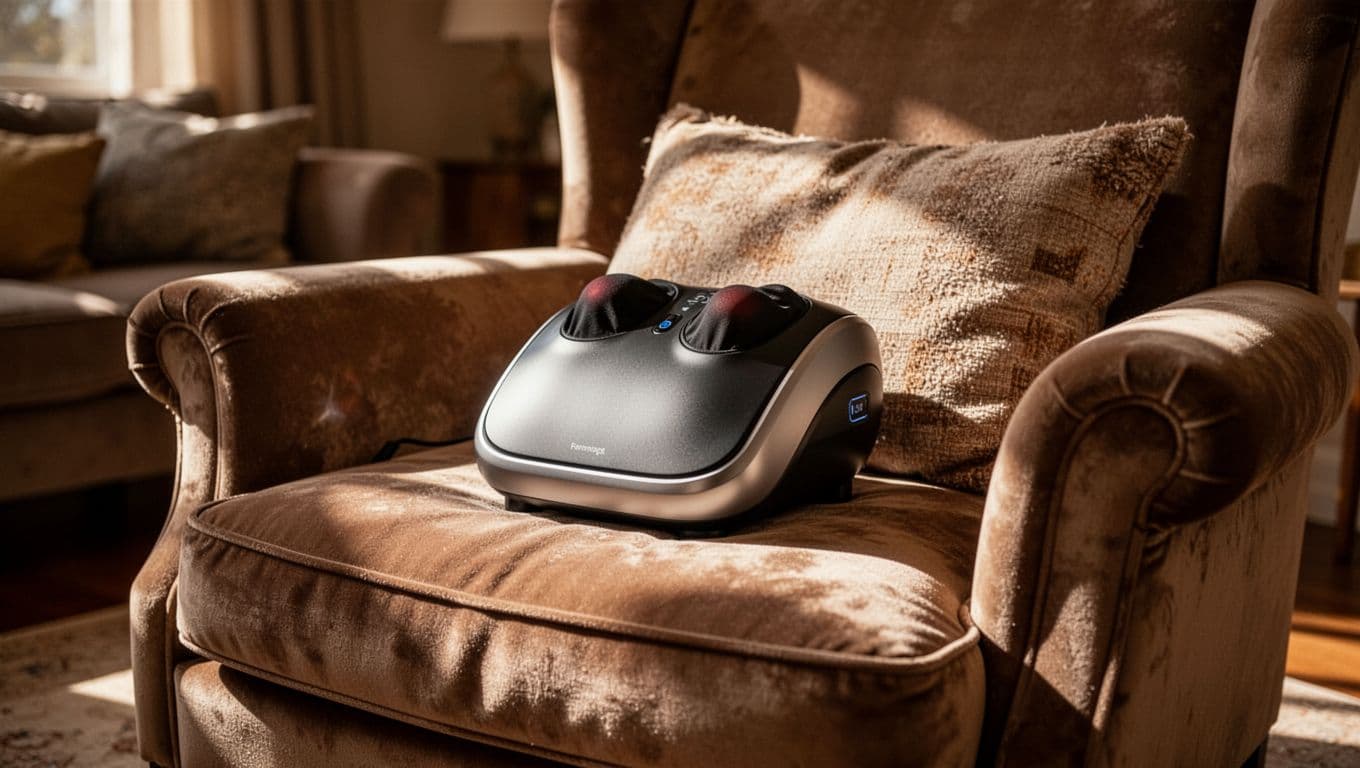
Consider these points before buying:
- Choose a handheld massager if you need to target one area and control the pressure yourself.
- Select a portable back massager if you want seated coverage across your back without holding a device.
- Look for a percussion massage gun when you want brief, focused stimulation around large muscle groups.
- Pick a shiatsu massager, massage pillow, or cushion if you prefer rolling or kneading massage nodes that imitate firm thumb pressure.
- Check the power source, noise level, handle design, heated back massager controls, and cleaning instructions.
A product with many modes isn’t automatically better. A simple device with a comfortable grip and a low setting may be more useful than an expensive model you avoid because it feels too aggressive.
If you’re comparing electric back massagers, look for clear information about intensity levels, treatment zones, automatic shutoff, warranty terms, and replacement parts. Retailers such as Massage Warehouse carry professional massage supplies, but a product designed for therapists may not suit casual home use.
Handheld devices and massage guns
A handheld massager gives you more control than a chair pad. You can move this versatile handheld massager across the shoulder muscles, pause over a tight area, or ask another person to reach the middle of your back. Some wand-style devices use vibration or rotating massage heads, while others use kneading attachments.
A massage gun uses percussion, which means rapid pulses move into the muscle. This type of percussive massager can feel useful around the glutes, upper back, and other broad muscle groups to support muscle recovery. You can easily select your preferred intensity using an adjustable speed setting on a cordless massager. Swap out different massage heads, keep the pressure light at first, and move the device slowly. A low setting is enough for many people.
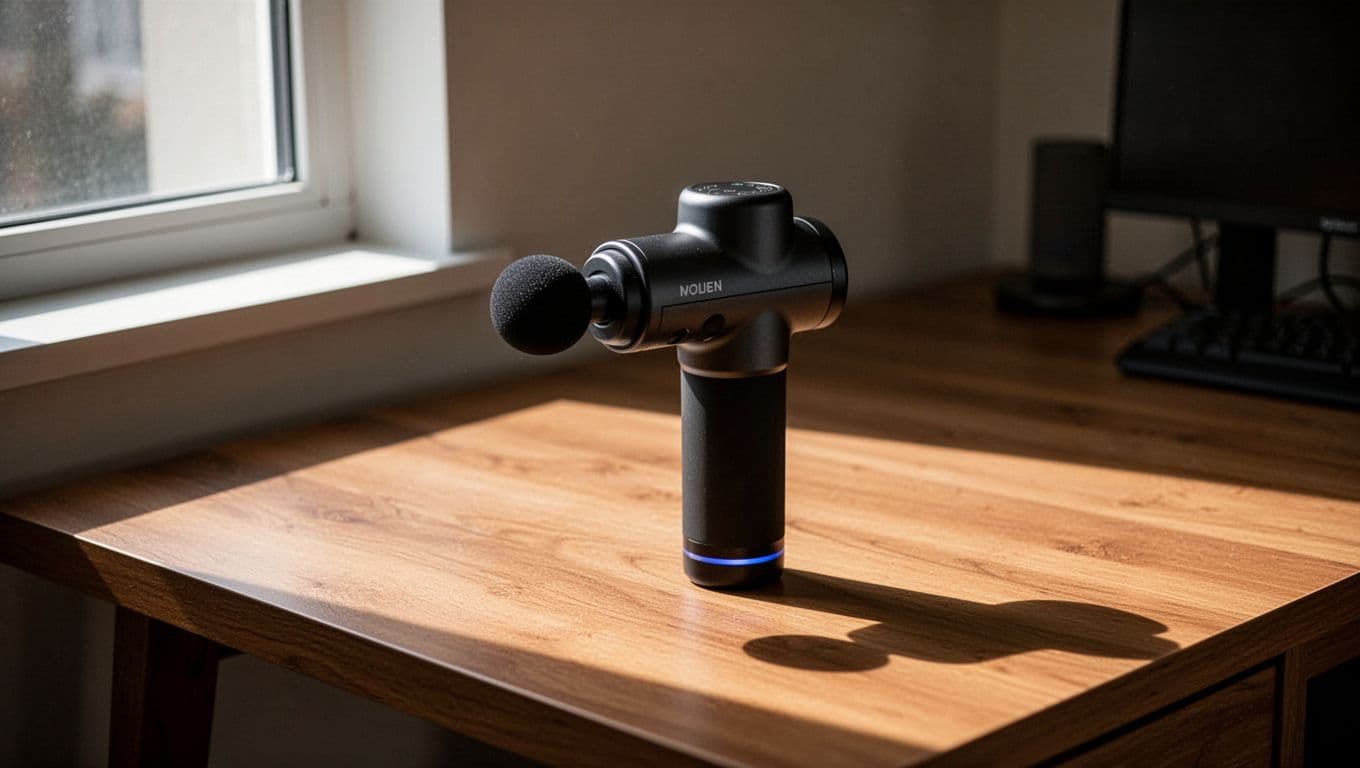
Don’t press a massage gun directly onto the spine, ribs, joints, kidneys, front of the neck, or areas with reduced sensation. Avoid using it over bruises, open wounds, swelling, varicose veins, or a recent injury. The goal is gentle muscle stimulation, not deep force.
For a simple session, start with three to five minutes on a low setting. Keep the device moving and stop if the area becomes painful or numb. You don’t need to chase a muscle knot until it disappears.
A manual trigger-point tool can also work, but it requires careful positioning. If reaching your back makes you twist or strain, ask someone to help or choose a chair pad instead.
Shiatsu pads, massage chairs, and heat
A Massage Chair or chair pad supports your back while mechanical rollers deliver a kneading massage or glide along selected zones. Some models include vibration settings, lumbar support, a neck and shoulder massager, or heat. The fixed position makes them convenient, although you have less control over the exact pressure than with a handheld device.
A shiatsu massager is designed to imitate firm finger or thumb pressure across the upper and lower back. These units may feel intense, particularly around the shoulder blades and lower back. You can also use a portable massage pillow for targeted relief. Start with a short setting and use a towel between your body and the nodes if the contact feels too hard.
Heat can make a session feel more comfortable, but a heated back massager can also reduce your awareness of excessive warmth. Use the lowest comfortable temperature, follow the manufacturer’s time limit, and never sleep while the heat function is running. People with reduced heat sensation should ask a healthcare professional before using heated products.
The Consumer Reports guide to chair massagers offers useful questions for comparing chair-attached models. Electric back massagers usually cost less and take up less space than a full massage chair, which may suit an apartment or home office.
A Foot Massager or separate foot roller can complement back care after a long day. Still, foot discomfort that includes swelling, redness, marked warmth, or sudden pain deserves medical attention rather than vigorous massage.
Safe use for common massage styles
Your preferred treatment style should match your reason for booking or buying. Swedish Massage usually uses lighter, flowing strokes and may suit relaxation. Deep tissue massage uses slower, firmer pressure for pain relief, while targeted approaches support muscle recovery after intense physical activity.
Thai Massage combines assisted stretching and pressure. Some forms of Asian Massage may refer to several different traditions, so ask the provider which technique they offer rather than relying on a broad label.
A professional Massage Therapist can adjust pressure, positioning, and technique during a session. At a spa, you can also ask whether a Full Body Massage includes the lower back, glutes, neck, feet, and legs, or whether you need to request those areas.
Lymphatic Massage and Lymphatic Drainage Massage use lighter techniques than deep tissue massage work. They are often chosen for specific medical or post-treatment reasons, so speak with your clinician before booking one for swelling or recovery.
You should get medical advice before using a motorized device, especially if you rely on a neck and shoulder massager or a shiatsu massager for daily pain relief. Professional guidance is also necessary if you have osteoporosis, a bleeding disorder, reduced sensation, recent surgery, an active infection, a suspected blood clot, or a condition requiring specialist care. Ask about massage during pregnancy, especially around the abdomen and lower back.
Seek urgent care for back pain with new weakness, loss of bladder or bowel control, numbness around the groin, fever, unexplained weight loss, or pain after serious trauma.
Finding professional massage in Kilimani
A home device is useful for short sessions, but hands-on care gives you feedback that a machine cannot. A therapist can ask about your symptoms, notice when pressure is too strong, and adapt the treatment to target stubborn knots and support pain relief as you respond.
For people in Kilimani, massage therapy in Kilimani is a practical option when you want professional guidance. Classy Massage & SPA in Nairobi promotes a relaxing massage and herbal treatments, singing bowl therapy, Korean special baths, beauty treatments, and trekker’s foot massage, alongside specialized care like a deep tissue massage.
When searching for a Massage Spa Near me, Massage Places Near Me, or Massage Therapy Near me, check the service menu, location, hours, hygiene information, and booking process. Whether you are looking for general maintenance or targeted pain relief, searches such as Massage Near me, Massage Spa Nairobi, massage Nairobi, Nairobi Massage Near me, and Massage Near Me Current Location can produce mixed results, so verify the business before making an appointment.
A legitimate Nairobi Massage Center should provide a clear address, treatment details, and a professional way to communicate. Be careful with vague Nairobi Massage ads, Nairobi Massage spa telegram groups, or listings that refuse to explain the service. Terms such as Nairobi Massage ladies, Massage Parlour Near Me, and Nairobi Massage parlour can describe very different businesses. Confirm that the provider offers the type of professional Body Massage you want, whether you need a gentle session or a firm deep tissue massage.
Searches for Massage Near Me Open Now may help with timing, but opening hours alone don’t tell you whether a service is suitable. Read recent reviews, ask about therapist qualifications, and request a direct price before visiting.
International chains such as Massage Envy, Massage Heights, Elements Massage, and Hand and Stone Massage are common examples in other markets. Their service models may differ from a local Massage Spa, so use them for comparison rather than assuming the same availability in Nairobi.
How to use a massager without overdoing it
Start with clean, dry skin and a comfortable position. Keep the device away from loose clothing, hair, cords, and water. If you’re watching a Massage video for guidance, choose one from a qualified health or therapy source and follow the device manual first.
A sensible routine looks like this:
- Inspect the massage heads, adjustable speed, and vibration settings before powering on your handheld massager or cordless massager.
- Test the lowest intensity for two minutes on your back massager or massage gun.
- Keep the device on muscle rather than bone or the spine.
- Move it slowly instead of holding it on one point for a long time.
- Stop if you feel sharp pain, tingling, numbness, or unusual weakness during a kneading massage or a deep tissue massage.
- Check your skin afterward, especially when using a heat function.
Most people don’t need long sessions. Ten to fifteen minutes may be enough for relaxation, while repeated aggressive use can leave muscles more tender. Allow your body to settle and support natural muscle recovery before deciding whether the session helped.
Clean the device according to its instructions, inspect the cord or battery, and store it somewhere dry. Replace damaged attachments and avoid using a product that becomes unusually hot or makes a new grinding noise.
Frequently Asked Questions
Can I use a back massager directly on my spine?
No, you should never place a massager directly on your spine, bones, or joints. Always position the device over the muscles beside your spine, such as your upper back, lower back, or shoulders, to avoid injury.
How long should a home back massage session last?
A typical session should last between ten to fifteen minutes using low to moderate settings. Prolonged or overly aggressive use can make your muscles more tender and lead to increased soreness.
Are heated back massagers safe to use while sleeping?
Never fall asleep while a heated back massager or massage cushion is running. The heat function can reduce your awareness of excessive warmth and potentially cause skin irritation or device overheating.
When should I see a doctor for back pain instead of using a massager?
You should seek medical attention if your back pain is persistent, severe, or accompanied by symptoms like numbness, new weakness, loss of bladder control, fever, or pain following trauma.
Conclusion
A back massager can be a convenient way to relax tight muscles after desk work, travel, or exercise. Handheld devices offer control, a massage gun suits brief targeted use, and a shiatsu massager or massage pillow provides seated kneading massage with less effort. When you want versatile home routine solutions, electric back massagers, a portable back massager, or a heated back massager can all support your wellness goals.
Choose moderate pressure, avoid sensitive or injured areas, and treat heat with care. When you seek lasting pain relief, or if discomfort persists, worsens, or comes with numbness or weakness, professional medical advice is more appropriate than another massage session. For a more personalised experience in Kilimani, a qualified therapist can help you choose the right pressure and treatment style.