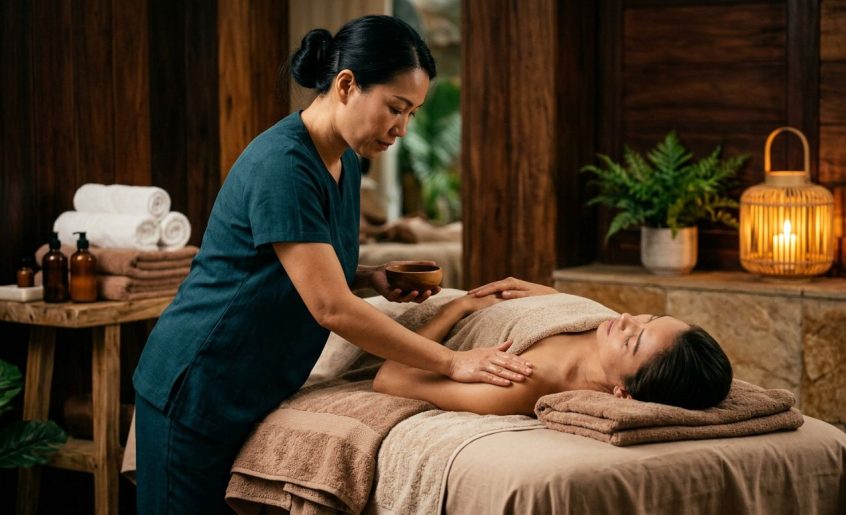
Asian massage is an umbrella term, not one single treatment. It includes established traditions from different countries, each with its own history, techniques, training methods, and therapeutic goals. This diverse range of bodywork ensures that there is a practice suited for every individual.
For someone in Kilimani, the right choice depends on what your body needs today. You may want deep relaxation, support after exercise, relief for tight muscles, or a calm foot massage after a long week. When you visit a reputable spa, the professional experience you receive should be tailored to these specific wellness goals. Understanding these options helps you choose the right type of Asian bodywork with confidence.
Key Takeaways
- Asian massage includes Thai Massage, shiatsu, Tui Na, and Traditional Chinese Bodywork, as well as Ayurvedic massage.
- Each tradition uses different pressure, movement, oils, or stretching methods.
- Skilled therapists should explain the session and respect your consent.
- Clean facilities, proper draping, clear pricing, and honest communication matter.
- Nairobi clients should check credentials and service details before booking.
- These therapeutic treatments are excellent for supporting your overall physical and mental well-being.
Different wellness traditions to explore
The term for these diverse treatments can make different services sound alike, but the techniques vary widely. A reputable spa should tell you which specific tradition it offers instead of using one broad label for every session.
Thai Massage usually takes place on a padded mat. You remain dressed in comfortable clothing while the practitioner applies pressure and guides the body through assisted stretching techniques. The experience can feel active because it combines compression, movement, and mobility work.
Shiatsu comes from Japan. The practitioner uses fingers, thumbs, palms, and sometimes elbows to apply steady acupressure to selected areas. Clients usually remain clothed, and sessions often focus on relaxation, body awareness, and areas of muscular tension.
Traditional Chinese Bodywork, or Tui Na, is a therapeutic practice that may include pressing, rolling, kneading, and rhythmic movement. Practitioners often adapt the session to muscle tension or restricted movement rather than following one routine.
Ayurvedic massage comes from Indian wellness traditions. Many treatments use warm oils, but the style, products, and consultation process differ between providers. A responsible spa should explain the treatment before applying oils or using any herbal preparation.
The American Institute of Alternative Medicine’s guide to massage therapy types provides a useful comparison of several established modalities. Reading about a tradition can help, but a trained practitioner still needs to adapt pressure and technique to your body.
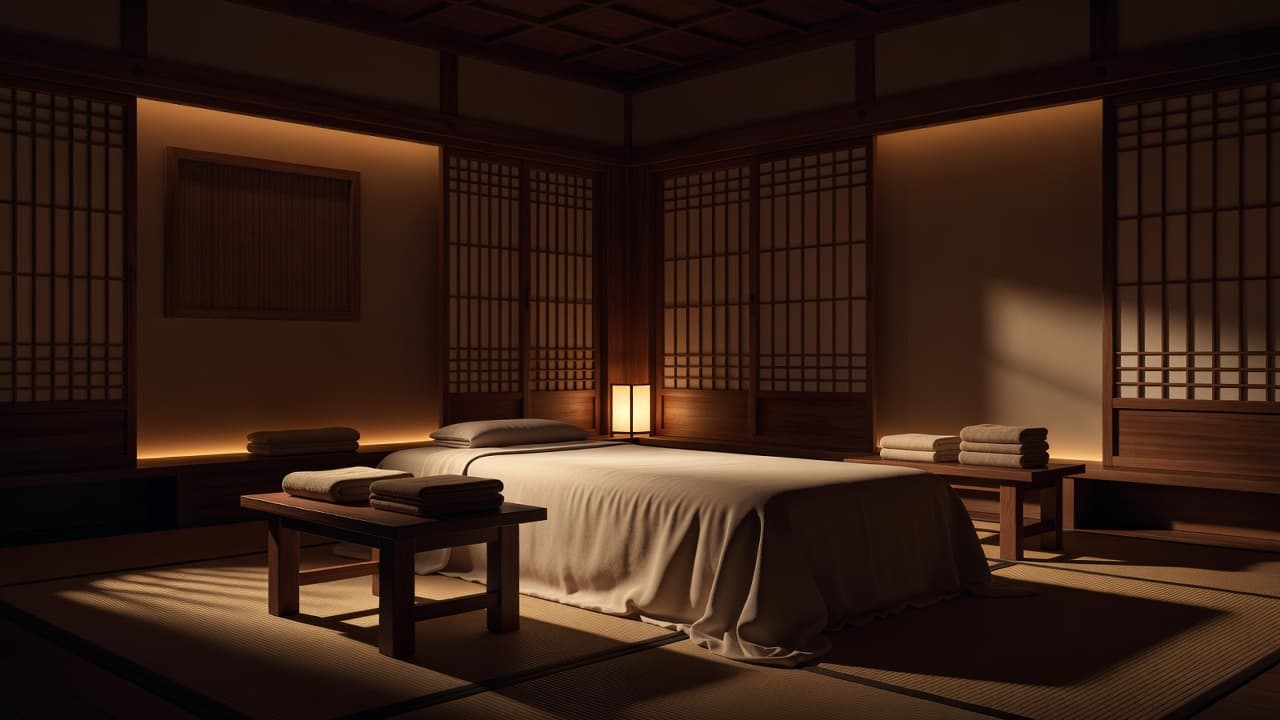
Choose the technique that matches your goal
Your preferred treatment should reflect your comfort level and the specific results you hope to achieve. A gentle session may suit a first visit, while a more focused technique may help with persistent muscular tightness.
Swedish Massage uses flowing strokes, kneading, and light to moderate pressure. It is a common choice for general relaxation, stress relief, and people new to massage therapy.
Deep tissue massage uses slower strokes and firmer pressure on selected areas. This technique is often sought for effective pain relief, especially when addressing chronic back pain linked to training, prolonged sitting, or repetitive work. However, harder pressure is not automatically better. Tell the practitioner when the sensation becomes sharp, painful, or uncomfortable.
A foot massage can be useful for physical recovery after walking, standing, travel, or exercise. Ask whether the session focuses only on the feet or includes the calves and ankles. If you are searching for a foot massage near me, check the treatment length and whether the service includes soaking, exfoliation, or reflexology. Incorporating a regular foot massage into your routine can be a great way to manage fatigue.
Lymphatic massage, also called lymphatic drainage massage, uses very light, rhythmic movements. It should not feel like a firm muscle treatment. People with swelling, recent surgery, heart conditions, infection, or a history of blood clots should seek medical advice before booking.
Home products have a different role. A massage gun may help with short-term muscle comfort when used carefully, while a massage chair can provide convenience at home. A foot massager may soothe tired feet, but none of these replaces an assessment from a trained professional.
Before booking, review the massage treatment plans at Classy Massage & SPA to compare session styles and body-treatment options. Pricing and duration can affect the choice as much as technique.
What happens during a professional session?
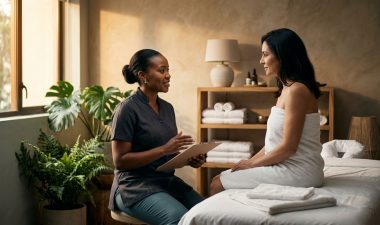
A good appointment starts with a short consultation. Skilled therapists will prioritize your comfort by asking about pain, injuries, allergies, medications, pregnancy, recent procedures, and the pressure you prefer. Share the areas you want treated and the areas you do not want touched.
You do not need to accept a full-body treatment if you only want focused work. A shorter body massage can target the back, shoulders, legs, or feet to promote deep relaxation. Clear communication helps the practitioner plan the session without guessing.
You should know what clothing or draping the treatment requires before it begins. Professional draping keeps private areas covered, and you can ask for more coverage at any time. You can also pause or end the session without giving a reason, ensuring you have a comfortable experience.
You control the pressure, areas treated, clothing, and pace of the appointment.
Hygiene matters just as much as technique. Look for clean sheets, washed hands, disinfected surfaces, fresh towels, and properly stored oils or tools. The room should feel private, calm, and orderly. A spa should also explain how it cleans reusable equipment between clients.
You may watch a massage video before your appointment, but online demonstrations cannot show how much pressure suits your muscles. Videos also do not replace a face-to-face health assessment. Use them to understand general movements, not to diagnose pain or copy advanced stretches at home.
Stop the treatment if you feel dizziness, numbness, nausea, unusual pain, or shortness of breath. Mild tenderness after firm work can happen, but intense pain is not a sign of better results. Drink water according to your normal needs and allow your body time to recover.
Finding a safe massage spa in Kilimani and Nairobi
When searching for local wellness care, people often use various terms like “massage near me” or “massage spa near me.” While you might encounter listings for a “massage parlor,” it is vital to prioritize professional standards over generic search results. A reputable center is defined by clear service menus and transparent communication rather than flashy marketing.
If you are looking for specific relief, a search like “foot massage near me” is far more effective than broad terms. Once you find a potential provider, verify that they employ skilled therapists rather than just an attendant. You can review the current massage rates at Classy Massage & SPA to compare treatment lengths, session types, and pricing in Kilimani.
Some online listings may use ambiguous language like “Nairobi massage ladies” or “Nairobi massage ads.” Always exercise caution with these results. Reputable spas clearly state their services and do not offer a “happy ending” or “full service” under any circumstances. Furthermore, you should avoid any listings that mention a “mamasan,” as these are not indicative of professional, therapeutic environments.
Specialized facilities may offer advanced treatments like a “table shower” or a “four hands massage,” but you should always vet these services by asking about the practitioner’s qualifications and session boundaries. A professional establishment will charge a transparent entry fee that covers only the specific therapeutic services listed.
You may occasionally see “Nairobi massage spa telegram” in your search results. Treat private messaging platforms with extreme care. Always confirm the physical location, business identity, and hygiene standards before booking an appointment or sending payment. A legitimate business will be happy to answer your questions regarding their professional standards without pressure.
A clear service menu and professional communication are stronger signs of quality than a flashy or vague listing.
How brands and equipment fit into the picture
International names often appear in online research, including Massage Envy, Massage Heights, Elements Massage, and Hand and Stone Massage. While these represent established North American brands, the experience they provide does not define the standards or services you will find at a local Nairobi provider.
Companies like Massage Warehouse are often associated with the distribution of professional supplies and equipment. While high-quality equipment is designed to enhance your overall well-being, it is important to remember that a premium massage table, specialized oils, or advanced electronic devices do not guarantee that the practitioner has suitable training or certification.
When comparing a local massage spa, focus your attention on the practitioner and the specific service details. Ask whether the treatment is Thai, shiatsu, Tui Na, Ayurvedic, Swedish, or another method. It is also wise to check whether the listed price covers a consultation, high-quality oils, any necessary add-ons, and the full appointment time.
A professional Nairobi massage therapist should clearly explain the process before beginning any session. They should also be willing to adapt the treatment if you mention sensitivity, chronic pain, limited movement, or a medical condition. If the provider avoids basic questions or makes unrealistic medical promises, you should choose another option to ensure you receive the best care.
Safety questions to ask before booking
While many seek massage for pain relief or to support holistic healing, it is important to remember that massage may not be suitable if you have a fever, a contagious skin condition, an acute injury, or unexplained swelling. Recent surgery, osteoporosis, neuropathy, uncontrolled blood pressure, pregnancy, and the use of blood-thinning medication also deserve a conversation with a healthcare professional before you proceed.
Do not book firm bodywork over an open wound, fresh bruise, inflamed skin, or a suspected blood clot. Specialized techniques like Lymphatic Drainage Massage should only be performed by a practitioner with appropriate training, especially after surgery or when a doctor has diagnosed lymphoedema.
Before your appointment, ask:
- Which technique will you use?
- How much pressure is appropriate for my concern?
- Do I remain clothed?
- How are linens and equipment cleaned?
- What is included in the price?
- Can I stop or change the session at any time?
These questions are not difficult or rude. They help both you and the practitioner create a safe, comfortable, and effective appointment.
Frequently Asked Questions
How do I know which type of Asian massage is right for me?
Your choice should be based on your specific wellness goals, such as deep relaxation, flexibility, or muscle tension relief. If you prefer active stretching and movement, Thai Massage may be ideal, whereas Shiatsu or Tui Na might better suit those seeking focused acupressure or targeted relief from knots.
Is it normal to feel pain during an Asian massage session?
While some techniques like Deep Tissue or Tui Na involve firm pressure, the sensation should never be sharp, stinging, or unbearable. You are always in control of the session, so inform your practitioner immediately if the pressure feels too intense or uncomfortable so they can adjust accordingly.
Do I need to be undressed for these treatments?
Not necessarily. Many traditional practices, such as Thai Massage and Shiatsu, are typically performed while you remain fully clothed in comfortable attire. For other styles involving oils, professional draping is used to ensure your privacy is respected at all times.
What should I look for to ensure a spa is professional?
A reputable spa will provide clear information about their services, maintain a clean and hygienic environment, and conduct a brief consultation regarding your health history before starting. Be cautious of vague online advertisements or listings that use ambiguous language, and always prioritize establishments that demonstrate transparency in their practices.
Conclusion
Asian massage encompasses several respected traditions rather than one standard routine. Thai Massage, shiatsu, Tui Na, and Ayurvedic massage each offer distinct approaches to support relaxation, mobility, and overall body comfort.
For clients seeking these services in Kilimani, it is important to choose a provider that explains its methods, protects your privacy, maintains a clean space, and listens carefully to your health concerns. Ultimately, the right Asian massage experience is one that aligns with your personal goals, leaves you feeling cared for and informed, and significantly enhances your sense of well-being.