
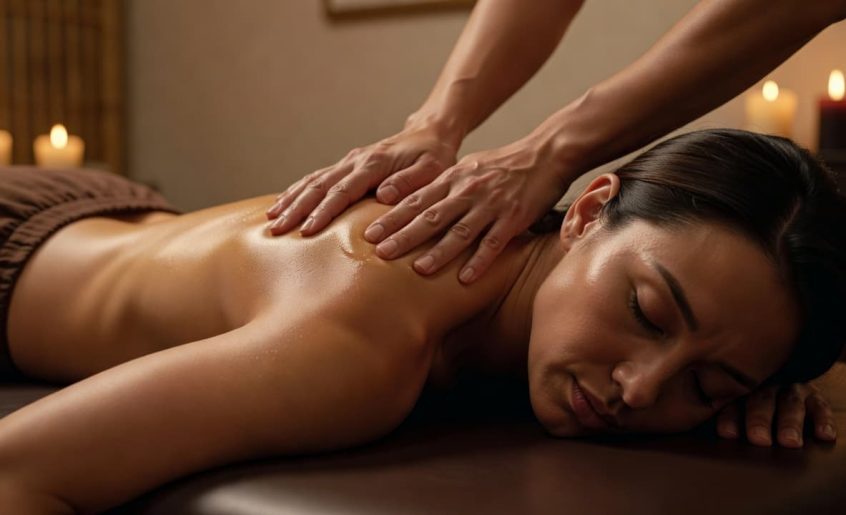
Deep Tissue Massage: What to Expect and Who It Helps
Deep Tissue Massage is the kind of treatment people choose when their shoulders feel locked up, their back stays sore, or stress seems to sit in the body instead of fading away. It uses slow, firm pressure to work into tight muscle layers, so it often appeals to athletes, desk workers, and anyone dealing with stubborn tension or recovery pain.
If you’re comparing options in Nairobi, it helps to know what a good session should feel like, what benefits you can expect, and how to choose a spa that knows how to work with depth without crossing the line into discomfort. Places such as Classy Massage Spa in Kilimani are part of that local wellness scene, alongside massage service rates that make it easier to match the experience to your budget.
Deep Tissue Massage: How It Works and Why It Feels Different
Deep tissue massage feels different because it works with purpose. The therapist uses slow, steady pressure to reach layers of tight muscle and fascia, rather than simply smoothing the surface for relaxation. That slower pace gives stubborn spots time to soften, which is why the session can feel more focused and more intense than a typical soothing massage.
### The pressure, pace, and purpose behind the technique
Deep tissue massage is built around steady pressure and slow strokes. The therapist does not rush across the body. Instead, they spend time on the places that feel knotted, heavy, or stuck, so the muscles have a chance to release.
That slower pace matters. A calming massage often moves in smooth, flowing passes to relax the whole body. Deep tissue massage goes after the deeper tension that builds up in one area after long hours at a desk, hard workouts, or old strain that never really settled.
The goal is relief, not force. A good session should feel firm and specific, not sharp or reckless.
In practice, that means the therapist may hold pressure on one spot, return to it several times, or work along a tight line in the muscle. For a plain-language overview of the technique, the American Massage Therapy Association describes deep tissue massage as slow work with firm pressure and long strokes that help release tension.
How deep tissue massage targets tight muscles and trouble spots
Certain areas hold stress more easily than others. The neck and shoulders tighten from screen time, stress, and poor posture. The back often carries long-term strain, while the hips can lock up from sitting too much. The legs may feel tight after workouts, long walks, or standing all day.
Deep tissue massage focuses on those trouble spots because they are often where the body stores repeated strain. The therapist works into the tissue layer by layer, using enough pressure to reach the muscles that feel dense or stuck.
Common focus areas often include:
- Neck and shoulders for desk-related tightness and tension headaches
- Upper and lower back for posture strain and daily wear
- Hips and glutes for sitting fatigue and movement stiffness
- Legs and calves for workout recovery and standing-related soreness
That targeted approach is what gives deep tissue massage its reputation. It is less about covering every inch of the body and more about helping the places that need real attention.
Deep tissue massage vs Swedish massage, what is the real difference?
The clearest difference is pressure. Swedish massage uses lighter to medium pressure and smooth, flowing movements that help the whole body unwind. Deep tissue massage uses firmer, slower work to reach deeper tension and problem areas.
The purpose is different too. Swedish massage is usually chosen for relaxation, stress relief, and general comfort. Deep tissue massage is chosen when someone wants to address knots, chronic tightness, or recovery needs after physical strain.
Here is a simple way to compare them:
| Massage style | Pressure | Main goal | How it usually feels |
| Deep tissue massage | Firm and targeted | Release deep tension and stubborn tightness | Focused, intense, and precise |
| Swedish massage | Light to medium | Relax the body and calm the nervous system | Soft, flowing, and soothing |
After a deep tissue session, the body may feel looser in the places that were tight, but also a little tender for a short time. After a Swedish massage, people usually notice calm, warmth, and overall relaxation right away. If you want a session that treats specific tension, deep tissue is the better fit. If you want to drift off and feel gently restored, Swedish massage usually suits that mood better.
For a side-by-side look at the two styles, WebMD’s comparison of deep tissue massage explains how the technique differs in purpose and pressure.
The benefits of deep tissue massage that people notice most
The biggest benefits of deep tissue massage usually show up in daily life, not in dramatic promises. People notice less nagging pain, looser muscles, and a body that feels easier to live in after long hours, hard workouts, or too much stress.
Results can feel different from person to person. Some people walk out with a clear sense of relief, while others notice the change later that night or the next morning, when stiffness is lower and movement feels smoother.
### How it can ease pain from stress, posture, and overuse
A lot of pain starts with repetition. You sit too long, hunch over a laptop, carry stress in your shoulders, or use the same muscles day after day. Over time, those patterns can leave you with stiff neck muscles, a sore lower back, and a feeling that your body never fully unwinds.
Deep tissue massage can help by pressing into tight layers of muscle that hold onto tension. That kind of work may ease chronic aches, soften stubborn knots, and reduce the pull that bad posture creates across the back and shoulders. For people with work-related strain, that often means a more comfortable day, not just a brief moment of relaxation.
A few of the most common everyday complaints it may help with are:
- Stiff shoulders from desk work or stress
- Lower back tightness from sitting, lifting, or standing too long
- Neck pain linked to screen time and poor posture
- General soreness that keeps coming back in the same spots
The relief is usually practical. You may not feel like a different person, but bending, turning, and sitting can start to feel less restricted. For a broader look at how massage supports wellness, regular massage benefits are a useful place to compare patterns over time.
Why athletes and active people use it for recovery
After hard training, the body can feel tight, heavy, and overworked. Legs may ache after runs, shoulders may lock up after weight training, and the back can feel rigid after sports or manual labor. Deep tissue massage is popular here because it targets those stressed-out areas directly.
Improved blood flow is part of the appeal. When pressure helps the muscles relax, fresh oxygen and nutrients can move through the area more easily, while tension eases out of overused tissue. That may support faster recovery, better movement, and less lingering soreness after intense activity. Research summaries also point to benefits for DOMS, which is the deep soreness that often follows a hard session.
Many athletes use deep tissue massage as recovery work, not as a luxury.
It can also help you notice problem spots before they turn into bigger issues. Tight calves, overloaded hamstrings, and tense shoulders often show up long before performance drops. For readers who want a deeper evidence-based look, research on deep tissue recovery explores the connection between massage, soreness, and athletic performance.
The calm-after-the-session effect, less stress, better sleep
Deep tissue massage often quiets the body after it has been held in tension for too long. Breathing tends to slow, muscles soften, and the nervous system gets a break from constant alertness. That alone can make the rest of the day feel easier to handle.
Some people feel relaxed right away. Others notice the shift later, when sleep comes more easily or the body feels calmer the next day. That delayed effect is normal, especially if the session worked through a lot of built-up tension. Massage research also links firm, regular treatment with better sleep quality and lower stress response, which fits what many people report in real life.
This is why people often book deep tissue massage after a stressful week, a rough workout cycle, or a stretch of poor sleep. The body feels less wound up, and that can make it easier to settle at night. In plain terms, the session can take the edge off.
What improvements you may feel in flexibility and posture
When tight tissue lets go, movement usually opens up with it. You may notice that your shoulders roll back a little more easily, your hips feel less locked, or your neck turns without that sharp tug you used to feel.
Flexibility gains often show up as a better range of motion and less stiffness during everyday movement. Over time, that can support healthier posture too, because the body is not fighting against the same tight spots all day. If you sit at a desk, drive often, or carry tension in one side of your body, that matters more than it sounds.
The change is rarely instant or dramatic. Instead, it builds session by session, like oiling a stiff hinge until the door swings better. That steady improvement is one of the clearest benefits people notice after consistent deep tissue work.
What to expect before, during, and after your session
A first Deep Tissue Massage can feel a little unfamiliar at first, especially if you expect every massage to be gentle. The experience is usually more focused than soothing, but it should still feel controlled, professional, and tailored to your body.
The good news is that most of what happens is straightforward. You arrive, talk through your needs, settle onto the table, and let the therapist work through the tight spots at a pace your body can handle.
### How to prepare so the massage feels better
A little prep helps the session start smoothly. Drink water before you come in, but don’t arrive overly full. A light meal an hour or two beforehand usually feels better than a heavy one, because you want your body relaxed, not busy digesting.
Arrive on time so you don’t walk into the room already tense and rushed. If you are carrying pain, an old injury, or a sensitive area that needs care, say so early. That conversation helps the therapist adjust pressure and avoid pushing too far.
A few simple habits make a difference:
- Hydrate earlier in the day so your muscles don’t feel dry or tight.
- Eat lightly to avoid discomfort on the table.
- Come a little early so you can breathe, settle, and change without rushing.
- Share pain points clearly if your neck, back, hips, or legs need special attention.
If you’re booking ahead, view our deep tissue massage plans so you can match the session length and style to what your body needs. That small step can take the pressure off your first visit and help you feel more in control.
What the massage may feel like in the room
Deep tissue work often feels firm, focused, and intense in spots, especially when the therapist reaches a stubborn knot. You may notice slow pressure, a dragging sensation through tight muscle, or a brief ache that fades as the tissue softens. It should feel productive, not alarming.
A good therapist watches your reactions and checks in along the way. If the pressure feels too sharp, you can speak up right away. The best sessions stay inside your comfort zone while still doing real work on the muscle.
Strong pressure should feel manageable. If you brace, hold your breath, or flinch, the therapist should adjust.
You may also hear or feel the therapist working methodically, pausing on one area before moving to the next. That slower pace is normal. It gives the muscle time to release instead of fighting back.
Aftercare that helps your body recover well
After a deep tissue session, mild soreness can show up later that day or the next morning. That after-effect is common, especially if the therapist worked through tight or overused areas. It often feels similar to the ache after a strong workout.
Drink water after your massage, then keep the rest of the day gentle. Light walking, easy stretching, and regular movement usually help more than staying stiff on the couch. Rest matters too, because your body may need time to settle.
A few aftercare habits are worth keeping in mind:
- Hydrate well to support recovery.
- Move lightly so your muscles do not tighten up again.
- Avoid a hard workout if your body feels tender.
- Listen to soreness cues and give yourself extra rest if needed.
The next day often tells the full story. Many people feel looser, calmer, and less restricted after the initial tenderness passes. If you want a session that matches your comfort level and schedule, massage therapy pricing and packages can help you plan your next visit with less guesswork.
Who should consider deep tissue massage, and who should be careful
Deep tissue massage works best when you have a clear reason for wanting it. If your body feels tight, overworked, or stuck in the same sore patterns, it can bring real relief. If you have an injury, a flare-up, or a condition that makes pressure risky, a gentler approach or medical guidance comes first.
The key is fit. This style is a tool for specific needs, not a blanket fix for every body and every kind of pain.
### People who often benefit most from it
Deep tissue massage often helps people whose muscles carry repeated strain. Desk workers are a classic example, because long hours at a screen can leave the neck, shoulders, and upper back feeling compressed and stubbornly tight. The same goes for athletes, runners, lifters, and active people who push their bodies hard and need recovery work that reaches beyond the surface.
It also suits people with chronic tightness, especially when the same area keeps pulling, aching, or locking up. If stress lives in your body, showing up as clenched jaws, raised shoulders, or a stiff lower back, deeper pressure can help those tissues release.
Common groups that often respond well include:
- Desk workers who sit for long stretches and feel postural strain
- Athletes who need focused recovery after training or competition
- People with neck and shoulder tension from stress, screens, or poor posture
- Anyone with chronic muscle tightness that keeps coming back in the same place
- People carrying stress in the body and wanting relief that feels more targeted than relaxing massage alone
If you want to compare massage types before booking, the deep tissue massage comparison from AMTA explains the pressure and purpose in plain terms. That kind of clarity helps you choose the right style for what your body actually needs.
When deep pressure may not be the best choice
Some situations call for caution. Recent injuries, broken skin, active inflammation, or a fresh strain can get worse under heavy pressure, so it’s better to wait or choose a gentler treatment. The same is true for skin issues like burns, rashes, infections, or areas that feel hot, swollen, or tender to the touch.
Certain medical conditions also need care first. Deep pressure may not be a good match if you have a clotting disorder, are taking blood thinners, have severe varicose veins, or are dealing with osteoporosis, active cancer treatment, or a high-risk pregnancy. If pain gets sharper when touched, that is another reason to pause and ask a professional before booking.
A few situations deserve extra caution:
- Recent injuries or surgery
- Inflamed or swollen areas
- Open wounds, burns, or skin infections
- Pregnancy concerns, especially high-risk cases
- Pain that gets worse with touch instead of easing
When in doubt, speak with a doctor, physical therapist, or a trained massage therapist before getting deep pressure. The Massage & Myotherapy guidance on contraindications is a useful reference if you want a broader look at when massage should be modified or avoided.
Signs your therapist should slow down or adjust
Good massage depends on good communication. Pressure should feel firm, but it should not cross into sharp pain, numbness, dizziness, or a burning sensation that lingers. If the discomfort goes beyond normal pressure, say so right away.
You do not need to wait until the end of the session. Speaking up early helps the therapist adjust before your body tightens against the work. That keeps the treatment useful instead of turning it into a battle of will.
Watch for these signals:
- Sharp or stabbing pain
- Numbness or tingling
- Dizziness or nausea
- Breath-holding or guarding
- Pain that feels worse after pressure stays on one spot
A skilled therapist will welcome feedback and change the touch, pace, or area worked. The session should feel controlled and responsive, not something you have to endure.
Finding a trustworthy deep tissue massage experience in Kilimani
A good Deep Tissue Massage experience in Kilimani starts before the first touch. The room should feel clean, the therapist should sound confident, and the setting should let your body relax instead of stay on guard. When the pressure is firm, small details matter even more, because comfort and safety shape how well the treatment works.
Kilimani has become a practical wellness stop for Nairobi residents who want easy access and a calmer pace. That makes it easier to compare spas on the basics, not just the decor. If a place gets the essentials right, the massage usually feels better too.
What to look for in a good massage spa
Cleanliness should be obvious the moment you walk in. Fresh linens, tidy surfaces, clean restrooms, and a room that smells neutral all tell you the spa takes hygiene seriously. For deep tissue work, that matters because you are already asking the body to relax under stronger pressure.
Privacy matters just as much. A good spa gives you space to change, speak freely, and stay comfortable without feeling rushed or exposed. Trained therapists also make a clear difference, because they know how to read tension, adjust pressure, and avoid working too aggressively on sensitive areas.
Clear communication is another sign you are in the right place. The therapist should ask about pain points, injuries, and pressure preferences before they begin. A calm setting helps too, because loud noise and clutter make it harder for your muscles to let go. A polished room looks nice, but a steady hand, clean space, and careful approach matter more.
For a deeper look at sanitation standards in bodywork settings, massage hygiene best practices is a useful reference.
Why location, comfort, and booking convenience matter
Location affects how you feel before the session even begins. If the spa is easy to reach, with manageable traffic and decent parking, you arrive less tense and start the massage in a better frame of mind. That matters because deep tissue work often works best when your body is not already braced from the trip.
Business hours and booking ease also shape the full experience. A spa that offers quick reservations, clear contact details, and convenient appointment times makes it easier to fit treatment into real life. That is especially helpful if you are scheduling around work, errands, or recovery after exercise.
Comfort is part of the service, not an extra. When booking feels simple and the arrival is smooth, the treatment starts on the right note. You spend less energy handling logistics and more energy letting the body settle.
A few small details can change the whole visit:
- Easy access reduces stress before the session.
- Parking or drop-off options make arrivals smoother.
- Flexible hours help you book at a time your body can actually rest.
- Fast reservations remove friction when you need relief soon.
How Classy Massage Spa in Kilimani fits into the local wellness picture
Kilimani is one of Nairobi’s more convenient wellness areas, so it often comes up when people are looking for massage without going far out of their way. That makes it a natural place to compare options for Deep Tissue Massage, especially if you want a calm setting that feels approachable rather than overly formal.
A spa such as Classy Massage Spa in Kilimani may appeal to people who want more than one kind of body care in the same place. The local wellness scene in this part of Nairobi often attracts clients who want massage, relaxation treatments, and a quiet environment that feels organized from booking to checkout.
That local fit matters. When a spa is close enough to visit without hassle, and calm enough to help you settle in, it becomes easier to return when your shoulders tighten again or your back starts complaining. In other words, the best choice is usually the one that feels safe, clean, and easy to trust before the therapist even begins.
Conclusion
Deep tissue massage works best when tight muscles need real relief, not just a light reset. It can ease pain, improve movement, and help the body feel less loaded by stress.
The strongest takeaway is simple, when a skilled therapist uses the right pressure, the body often moves with more ease and less resistance. That is the value people come back for, along with the calmer, lighter feeling that follows a good session.
Pay attention to what your body is telling you, choose a therapist who knows how to work with firmness and control, and book a session when you feel ready. The right deep tissue massage can make daily movement feel more natural again.