Swelling, heaviness, or tight skin can make your body feel uncomfortable even after a full night of sleep. Lymphatic drainage massage uses gentle, rhythmic movements to help move excess lymph fluid through the body’s drainage pathways.
It isn’t a deep tissue treatment, detox, or shortcut to weight loss. For people with lymphedema or post-surgical swelling, it may form part of a wider care plan. For healthy clients in Kilimani, the main benefits are usually relaxation and temporary comfort. Start by understanding what the technique can and cannot do.
Key Takeaways
- Manual lymphatic drainage uses light pressure on the skin, not firm work on the muscles.
- It is mainly used for lymphedema, certain types of swelling, and recovery plans recommended by clinicians.
- Healthy people shouldn’t expect proven detox, fat-loss, or body-sculpting results.
- Fever, infection, blood clots, sudden swelling, heart failure, and some kidney conditions require medical advice before treatment.
- A qualified massage therapist should ask about your health before beginning, especially after surgery or cancer treatment.
What Is Lymphatic Drainage Massage?
The lymphatic system carries fluid, proteins, and immune cells through a network of vessels and lymph nodes. This fluid normally returns to the bloodstream. When the system cannot move fluid effectively, swelling may develop in an arm, leg, breast, abdomen, or another area.
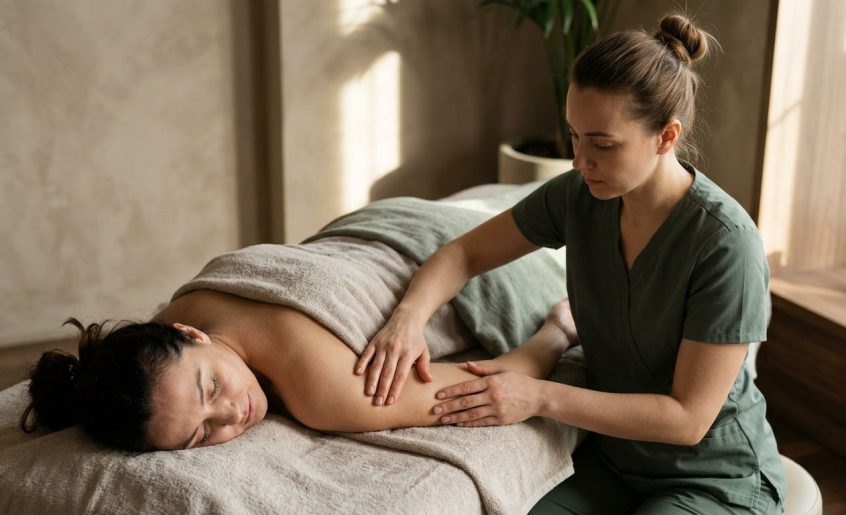
Manual lymphatic drainage, often shortened to MLD, is a specialized form of light-touch massage. The therapist gently stretches the skin in slow, repeated movements. The pressure is usually much lighter than Swedish Massage or Deep Tissue Massage.
Treatment often starts around the neck, collarbones, chest, or trunk. These areas help prepare nearby drainage routes before the therapist works toward the swollen area. The exact sequence depends on the person’s condition, surgery history, and affected body part.
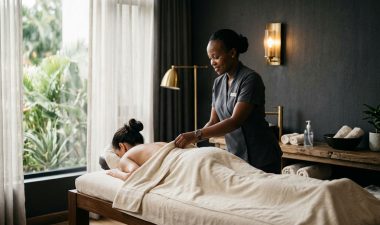
A proper session should feel calm and controlled. It shouldn’t leave you bruised, sore, or feeling as if someone has worked deeply into your muscles. Oils may be limited or avoided because the therapist needs gentle traction on the skin.
Lymphatic drainage can be used in a clinical setting for lymphedema. Lymphedema may occur after lymph node removal, radiation, infection, injury, or certain inherited conditions. It can also appear after some operations, although not every type of post-surgical swelling is lymphatic swelling.
The Cleveland Clinic guide to lymphatic drainage describes the technique as a gentle treatment that may help move trapped fluid. It also lists several situations where treatment should be avoided.
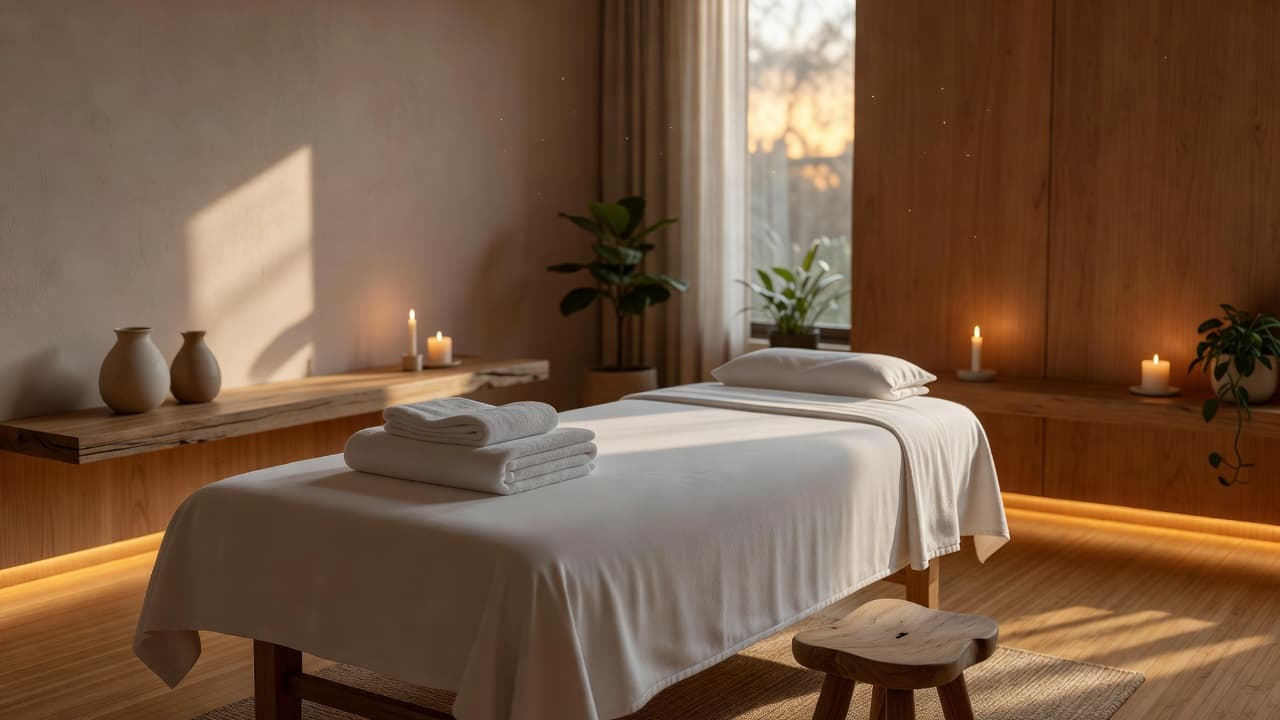
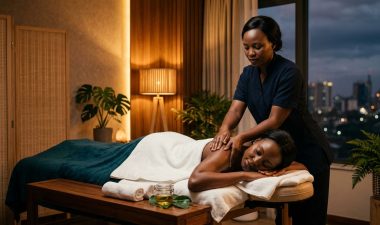
A calm treatment room supports comfort, but medical screening remains more important than the spa setting.
Lymphatic Drainage Massage Compared With General Massage
Many people search for a Full Body Massage when they want rest, muscle relief, or a relaxing spa experience. General bodywork can include gliding strokes, kneading, compression, stretching, or focused work on tight muscles.
Manual lymphatic drainage follows a different purpose. The therapist works with the skin and lymphatic pathways rather than trying to release knots in the muscle. A session may focus on one limb or a specific area instead of the whole body.
| Treatment | Main focus | Typical pressure | Common reason for booking |
|---|---|---|---|
| Manual lymphatic drainage | Lymph fluid movement and swelling support | Very light | Lymphedema or clinician-guided recovery |
| Swedish Massage | Relaxation and general muscle comfort | Light to medium | Stress relief and everyday tension |
| Deep Tissue Massage | Persistent muscle tightness | Medium to firm | Localized muscle discomfort |
| Thai Massage | Assisted stretching and pressure work | Variable | Mobility and relaxation |
| Foot Massage | Feet, ankles, and lower legs | Light to firm | Tired feet and general comfort |
A regular Massage Therapy session may feel more satisfying when your main concern is tense shoulders or tired legs. Conversely, firm pressure can irritate swollen tissue and may not suit someone who needs MLD.
A Full Body Massage can also be relaxing after travel, long workdays, or exercise. However, it doesn’t automatically provide the same technique as a clinical lymphatic treatment. Ask the provider which method they plan to use before booking.
Broad service names can cause confusion. For example, a spa may advertise a “Lymphatic Massage” but provide a general light-pressure treatment. That may be pleasant, yet it isn’t necessarily a full MLD protocol for diagnosed lymphedema.
Light pressure is a defining feature of manual lymphatic drainage. If a treatment feels like forceful muscle work, ask the therapist to pause and explain the approach.
What Benefits Are Realistic?
The clearest reason to consider lymphatic drainage is support for swelling caused by lymphatic dysfunction. Some people report less heaviness, tightness, or discomfort after treatment. Results vary because the cause of swelling matters.
For diagnosed lymphedema, MLD may be included in complete decongestive therapy. That broader plan can involve compression garments or bandaging, exercise, skin care, education, and regular clinical review. Massage alone rarely provides lasting control.
Post-surgical swelling requires extra care. Some procedures create temporary inflammation, while others can affect lymph vessels or nodes. Your surgeon or clinician should decide when massage is appropriate and which areas are safe to treat.
A 2009 systematic review of manual lymphatic drainage research reported improvements in pain and edema in some clinical settings. However, the studies varied in quality, treatment methods, and patient groups. The findings don’t prove that every person will benefit.
For healthy clients, the evidence is much narrower. Lymphatic drainage may feel soothing and can offer the same rest associated with a gentle Massage Spa visit. Strong medical sources don’t support claims that it removes toxins, melts fat, boosts immunity, or produces lasting weight loss.
Temporary changes in body measurements can happen when fluid shifts. That isn’t the same as losing body fat. Likewise, a flatter-looking abdomen after a session may reflect reduced bloating or fluid, not permanent body reshaping.
A massage can support relaxation, but it shouldn’t replace treatment for unexplained swelling. One-sided leg swelling, worsening pain, skin warmth, or shortness of breath needs medical attention rather than a spa appointment.
What Happens During a Session?
A responsible Massage Therapist begins with questions. Expect to discuss your symptoms, recent operations, medications, pregnancy status, previous cancer treatment, heart or kidney conditions, and any history of blood clots.
The therapist may look at the skin and compare both sides of the body. They might ask whether swelling changes during the day, leaves an indentation when pressed, or affects movement. These questions help identify when a medical referral is more suitable.
During treatment, you usually lie comfortably on a massage table. The therapist may begin with slow breathing instructions. Diaphragmatic breathing can help you relax and is included in many MLD teaching protocols.
Next, the therapist uses gentle strokes near the neck and collarbone. They may then work across the chest, trunk, armpit, arm, hand, abdomen, or leg. The sequence depends on where fluid has collected and which drainage routes are available.
The movement often resembles a slow skin stretch rather than a rub. You should feel repeated, light motions. Deep kneading, rapid percussion, aggressive stretching, and strong friction don’t match the basic purpose of MLD.
Afterward, some people feel relaxed or notice that the treated area feels less full. Others notice little immediate change. A good provider won’t promise a particular result after one appointment.
If you have lymphedema, ask whether the therapist has training in lymphatic care. A certified lymphedema therapist can assess swelling and coordinate treatment with your clinician. General spa training may not cover the assessment or compression skills required for medical cases.
Who Should Avoid It or Seek Medical Guidance?
Lymphatic drainage isn’t suitable for every type of swelling. A massage can worsen an active problem or delay treatment when the swelling has a serious cause.
Avoid treatment and seek prompt medical advice if you have:
- Fever, cellulitis, or another active infection
- A known or suspected blood clot or deep vein thrombosis
- Sudden swelling in one leg or arm
- Unexplained redness, heat, severe pain, or rapid enlargement
- Chest pain, dizziness, or shortness of breath
The Cleveland Clinic lists blood clots, cellulitis, infection, fever, some heart conditions, kidney failure, and stroke among reasons to avoid or carefully assess lymphatic drainage. Its medical guidance should not replace an individual examination.
People with heart failure may struggle to handle extra fluid returning to circulation. Those with significant kidney disease may also need medical clearance. A massage therapist can’t determine whether your heart or kidneys can safely manage that change.
Cancer requires an individual plan. A cancer diagnosis doesn’t mean every form of massage is automatically forbidden, but active disease, recent treatment, surgery, fragile skin, and affected lymph nodes require guidance from the oncology team.
Pregnancy, recent surgery, anticoagulant medication, uncontrolled high blood pressure, and complex medical conditions also deserve a conversation with a qualified clinician. The right timing and pressure can vary widely.
If swelling began without an obvious reason, get the cause checked first. A spa should not diagnose lymphedema, infection, heart disease, or a clot.
Sudden one-sided swelling with chest pain or breathing difficulty is an emergency. Don’t massage the area while waiting for medical help.
Choosing a Safe Provider in Kilimani
Residents often begin with searches such as “Massage Near me”, “Massage Spa Near me”, “Massage Places Near Me”, or “Massage Therapy Near me”. Location helps, but it shouldn’t be your only filter.
For local results, you may also see phrases including “Massage Spa Nairobi”, “massage Nairobi”, “Nairobi Massage Near me”, “Massage Near Me Current Location”, and “Massage Near Me Open Now”. These searches can find a convenient appointment, yet they don’t confirm clinical training.
Ask direct questions before booking:
- What training does the provider have in manual lymphatic drainage?
- Have they treated lymphedema or post-surgical swelling before?
- Will they take a health history before the session?
- Can they work with my doctor, surgeon, or certified lymphedema therapist?
- What will they do if my swelling appears unsafe to massage?
A professional Nairobi Massage Therapist should answer clearly and avoid promises about detox, instant slimming, or permanent fat loss. The same standard applies whether you find a Nairobi Massage Center, a Nairobi Massage parlour, or a full-service spa.
Some listings use broad descriptions such as Asian Massage, Body Massage, or relaxation massage. Those services may be appropriate for general comfort, but ask whether the provider offers true MLD before assuming the names mean the same thing.
Search phrases like “Nairobi Massage ladies”, “Nairobi Massage spa telegram”, and “Nairobi Massage ads” can lead to unverified listings. Check the provider’s treatment details, hygiene standards, location, communication, and health-screening process before sharing personal information or paying a deposit.
At a Kilimani spa, you can also ask whether the treatment is wellness-focused or medically supervised. Classy Massage & SPA publishes its massage and spa pricing plans for clients comparing regular treatments. If you have a diagnosed condition, contact the spa first and explain your needs rather than booking a standard package without discussion.
Large international brands such as Massage Envy, Elements Massage, Massage Heights, and Hand and Stone Massage may appear in online searches. Their names don’t establish the qualifications of a provider in Nairobi. Training, screening, and honest communication matter more than a familiar label.
Can Home Tools Replace Manual Drainage?
A Massage Gun, Massage Chair, Foot Massager, or online Massage video may look appealing after a long day. These tools can support relaxation for some people, but they aren’t substitutes for MLD assessment or treatment.
Percussion devices apply repeated force to muscles and soft tissue. That action differs from the light skin-stretching movements used in manual lymphatic drainage. Avoid using a massage gun over swollen, red, painful, bruised, infected, or recently operated areas unless a clinician specifically approves it.
A Massage Chair may provide general back comfort, while a Foot Massager can ease the sensation of tired feet. Neither device can identify why one ankle is swollen or determine whether a clot is present.
Gentle movement, walking, prescribed compression, and skin care may support a lymphedema plan. Follow the program given by your clinician or certified therapist. Don’t replace compression or medical review with dry brushing, vigorous rubbing, or online instructions.
Self-massage can be taught in some cases, but the correct route depends on the person’s anatomy and condition. A therapist may show you how to prepare the neck and trunk before treating an arm or leg. Copying a short Massage video without knowing the cause of swelling can be unsafe.
The same distinction applies to a Foot Massage Near me search. A relaxing foot treatment can feel good, but it may not be appropriate when the foot is newly swollen, hot, painful, or affected by poor circulation.
Lymphatic Drainage Massage or a Regular Spa Treatment?
Choose a regular spa massage when your goal is rest, muscle comfort, or relief after sitting and traveling. Swedish Massage, a gentle Body Massage, or a Foot Massage can suit those needs when you have no medical warning signs.
Choose clinical guidance when swelling is persistent, unequal, painful, or connected to surgery, cancer treatment, infection, or lymph node damage. In that situation, a certified lymphedema therapist or medical team should guide the plan.
A spa may still be part of your wellness routine, but the treatment must match your health. You can ask about a gentle session, explain sensitive areas, and stop immediately if discomfort increases.
For people in Kilimani, convenience matters. However, “Massage Parlour Near Me” and “Nairobi Massage parlour” searches can return very different standards of care. Read the service description, ask about qualifications, and confirm that the provider understands your reason for booking.
A general relaxation treatment may leave you feeling calmer. MLD may help selected patients manage swelling as part of a wider plan. Those are useful outcomes, but they are different goals.
Conclusion
Lymphatic drainage massage is a gentle, specialized technique for supporting lymph fluid movement, especially when lymphedema or certain forms of swelling are present. It isn’t deep tissue work, a detox treatment, or a reliable weight-loss method.
Before booking in Kilimani, explain your symptoms and medical history. If swelling is sudden, one-sided, painful, hot, or linked to surgery or serious illness, seek clinical advice first. The safest massage is the one that matches your body and your reason for treatment.