Long days spent standing can leave your arches tight, heels tender, and ankles feeling heavy. If you are struggling with tired feet, a high-quality foot massager offers a convenient way to add comfort to your evening routine. Finding the right model depends on how much pressure you enjoy, where you feel the most tension, and how often you seek effective foot pain relief.
Whether you prefer the targeted kneads of an electric foot massager or the soothing sensation of air compression, the right device can transform your recovery process. Many people now prefer the ease of an at-home massage, as it provides a practical solution for daily relaxation. This guide compares the main options, explains the essential features, and covers safe use before you invest in a new foot massager for your home in Kilimani or elsewhere in Nairobi.
Key Takeaways
- Kneading, rolling, vibration, compression, foot baths, and manual rollers create different sensations for your feet.
- Features like heat settings and adjustable intensity are useful, though they may not suit everyone.
- Fit, washable liners, noise levels, warranty coverage, and local power compatibility matter just as much as massage strength.
- Start with short, gentle sessions and always follow the manufacturer’s instructions for the best results.
- People with diabetes, reduced sensation, circulation problems, wounds, or recent injuries should consult a healthcare professional before using one to ensure the device supports safe recovery and deep foot relaxation.
The Main Types of Foot Massagers
A manual roller is the simplest option for those seeking a compact design. You place it on the floor and move your foot over textured ridges or balls. It needs no electricity, makes little noise, and fits easily in a travel bag. However, you control the pressure yourself, and it will not massage the top of your foot or ankle.
Vibration models use a small motor to create a gentle buzzing sensation. They suit people who want light relaxation after work rather than firm pressure. Some combine vibration with warmth or a shallow water bath. A foot spa can also include bubbles and water jets, although it needs more cleaning and careful handling around electricity.
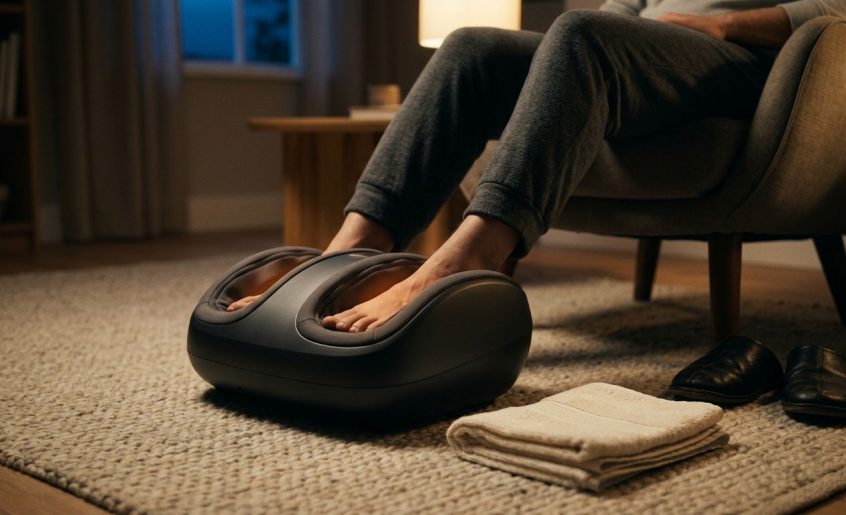
Kneading or Shiatsu machines use rotating kneading nodes beneath the feet. These massage nodes press into the arch, heel, and forefoot to provide a deep kneading experience that feels closer to hands than simple vibration. This style of shiatsu foot massage is excellent for those looking to soothe soreness associated with plantar fasciitis. Intensity varies widely, so check whether the controls let you choose a mild setting. A recent foot massager buying guide also compares pressure styles, heat, and foot coverage.
Air-compression models inflate chambers around the feet, ankles, or calves. The sensation of this air compression is a rhythmic squeeze rather than a kneading motion. This can feel pleasant after standing for hours, but some users find the pressure restrictive. Look for adjustable compression intensity if you are sensitive around the ankles.
Hybrid machines combine two or more features, such as kneading, rolling, heat, and compression. For example, the TISSCARE model listed in current product comparisons combines multiple nodes and rollers, while COMFIER makes a popular foot and calf massager unit that extends toward the lower leg. More functions do not automatically make a machine better. They usually mean a larger body, a higher price, and more parts to clean.
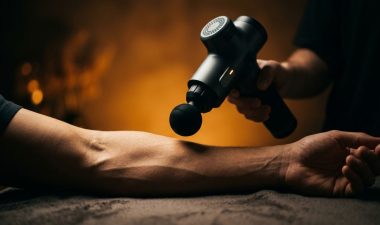
EMS devices use electrical impulses through electrode pads instead of rollers. A massage gun is another separate category. It delivers percussive pulses and is designed for targeted muscle use, not for placing your entire foot inside a machine. Avoid using either device over areas with reduced sensation unless a qualified professional has advised you.
For a broader comparison of water, vibration, rolling, and compression designs, see this guide to foot massager types and uses.
Features That Matter Before You Buy
Start with the fit. Measure your foot and compare it with the manufacturer’s interior dimensions. A tight chamber can make compression uncomfortable, while a loose one may miss the areas you want to target. If several people will share the device, choose a design with a wider opening and removable liners. Many podiatrist-approved devices also feature ergonomic designs that accommodate various foot shapes comfortably.
Next, assess the pressure controls. Having access to multiple intensity levels gives you the freedom to customize your comfort. A strong setting may feel satisfying after a long day, but a gentler setting is often more practical for regular use. Using a remote control and large buttons helps when you are already seated, especially if bending down to adjust the settings is uncomfortable.
Heat can make a session feel more soothing, yet it needs careful handling. Adjustable heat settings are more useful than a fixed high temperature. Always prioritize models that allow you to toggle heat settings off, and never rely on heat to tell you when your skin is becoming too warm, because reduced sensation can prevent you from noticing discomfort.
Foot coverage also changes the experience. Sole-only designs focus on the bottom of the foot. Full-foot models may reach the toes, sides, heel, and ankle. Calf attachments add coverage but require more storage space. A product with removable, washable sleeves is easier to keep hygienic, especially when family members share it.
Noise matters in a small flat or shared living space. Compression pumps can make a noticeable sound, while manual rollers are almost silent. Before ordering, check the return policy, warranty, replacement sleeve availability, and power requirements. Imported products may use a different plug or voltage, so confirm compatibility with your home supply in Kenya.
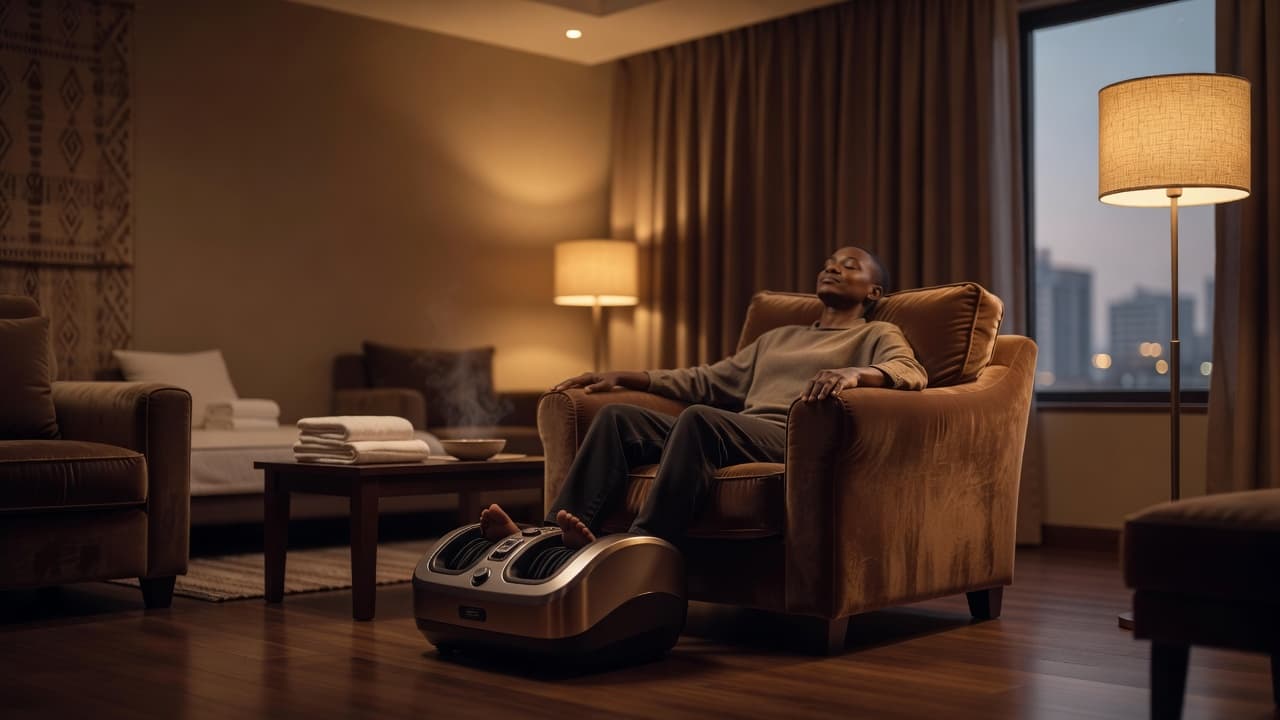
A foot massager works best when its size, pressure, and controls match your routine. If you want occasional relaxation, a manual roller or compact vibration unit may be enough for your at-home massage. If you want several settings and calf coverage, expect a larger investment.
How to Use One Safely
Read the manual before your first session. Place the machine on a stable, dry floor, inspect the cable, and check that the foot sleeves are clean. Start with the lowest pressure and a short session to promote effective foot relaxation, then increase the intensity gradually only if the sensation remains comfortable.
A cautious starting point is 10 to 15 minutes. Stay awake and remain nearby when using heat or a foot bath. Stop the device immediately if you notice sharp pain, burning, numbness, tingling, skin discoloration, swelling, or dizziness. While the goal is consistent foot pain relief, the experience should always feel manageable rather than punishing.
Do not use a foot spa on broken skin, an active rash, or an area that looks infected. Keep electrical connections away from water, unplug the unit before emptying it, and follow the fill line. Afterward, dry your feet thoroughly and allow the basin to air out according to the cleaning instructions.
Speak with a healthcare professional before using a machine if you have diabetes, neuropathy, or reduced sensation. You should also seek medical advice if you have poor blood circulation, a history of blood clots, unexplained swelling, an open wound, a fracture, or recent surgery. It is also important to ask for guidance before using heat or compression during pregnancy. These conditions can change how your body responds to pressure and temperature.
A machine can support your recovery, but it should not replace medical diagnosis or treatment. Persistent heel pain, sudden swelling, weakness, or discomfort that affects your ability to walk needs a professional assessment. A healthcare provider can help determine whether you need specific exercises, footwear changes, medical care, or supervised massage therapy.
Foot Massager or Hands-On Massage in Kilimani?
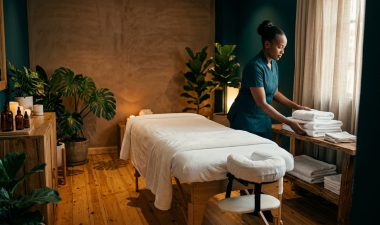
An at-home massage device offers undeniable convenience, but hands-on care provides a therapeutic touch a machine simply cannot replicate. A trained massage therapist can intuitively adjust pressure as your body responds, providing deep-tissue relief that targets specific tension points. Furthermore, a skilled professional can address the ankle, lower leg, and other connective areas that a foot-only device often misses.
People often compare a foot massage with other modalities such as Swedish massage, Thai massage, or a full body massage. While these services serve different purposes, manual techniques remain superior to the static massage programs found in consumer devices. A specialized treatment like lymphatic drainage massage, for example, requires the precision of a properly trained practitioner rather than a generic machine setting.
When you want personal attention in Kilimani, you can book a relaxing massage at Classy Massage & SPA. The spa also offers a Trekker’s Foot Massage, which is ideal for anyone seeking professional foot care after extensive walking, travel, or a physically demanding day.
Online searches can produce confusing results. You may see phrases such as massage near me, massage spa near me, massage spa Nairobi, or massage Nairobi. Other common search terms include Nairobi massage near me, Nairobi massage center, Nairobi massage therapist, massage therapy near me, and foot massage near me. Regardless of where you search, always check the provider’s address, treatment menu, hygiene protocols, reviews, and booking process before sharing personal details. While a massage video can demonstrate technique, it cannot verify the quality or safety of a specific provider.
International brand searches can also lead to confusion. Names such as Massage Envy, Massage Heights, Elements Massage, Hand and Stone Massage, and Massage Warehouse may appear in articles, but they do not reflect local availability in Nairobi. Additionally, a massage chair is a separate investment from a portable foot device, so evaluate the specific product functionality rather than the brand name alone.
For current treatment options and appointment costs, review the spa’s massage menu and pricing. A professional session is often the better choice when you require tailored pressure, comprehensive bodywork, or expert guidance regarding recurring discomfort.
Choosing the Best Option for Your Routine
Choose a manual roller if you want low cost, portability, and complete control. Pick vibration if you prefer a mild sensation. A shiatsu foot massage suits people who enjoy firmer, kneading pressure, while air compression is useful for those who like a gentle squeezing rhythm around the feet and ankles.
A foot bath creates the most spa-like experience, but it takes more effort to fill, empty, dry, and clean. Hybrid machines provide more settings, although their extra features increase the price and maintenance needs. For a first purchase, simple controls and a comfortable fit usually matter more than a long list of modes. Whether you are looking for rapid recovery after a workout or simply consistent foot relaxation at the end of a long day, prioritizing ease of use is essential.
Before paying, ask yourself where you will use your electric foot massager. A compact unit may work well beside a sofa, while a calf model needs more room. Consider who will use it, how much noise your household accepts, and whether replacement parts are easy to find. If you rarely use electrical devices, a sturdy roller may deliver more value than a complicated machine left in a cupboard.
Frequently Asked Questions
How long should I use a foot massager each day?
Most manufacturers recommend starting with sessions of 10 to 15 minutes to see how your body responds. Avoid overusing the device, as excessive pressure or heat can sometimes cause skin irritation or muscle soreness.
Can a foot massager help with plantar fasciitis?
Many people find that shiatsu-style kneading nodes help alleviate the soreness associated with plantar fasciitis by targeting the arches and heels. However, you should consult a podiatrist or healthcare professional to ensure this is an appropriate treatment for your specific condition.
Is it safe to use a foot massager if I have diabetes?
Individuals with diabetes, neuropathy, or reduced sensation should always consult a doctor before using these devices. Because decreased sensitivity can prevent you from feeling if the heat or pressure is too intense, there is a higher risk of skin damage or injury.
Should I choose a model with heat settings?
Heat can be a wonderful addition for relaxation and soothing tight muscles after a long day. If you opt for a model with this feature, look for one that allows you to toggle the heat off to prevent overheating during longer sessions.
Conclusion
A quality foot massager can make your evening routine significantly more comfortable, especially after long hours spent standing or walking. The best choice for your home depends on factors like pressure, coverage, heat settings, ease of cleaning, fit, and the level of control you prefer. Integrating a machine into your daily habits is an excellent way to support consistent foot pain relief.
Start gently, protect your skin, and treat any warning signs seriously. For persistent symptoms or health conditions that affect sensation and circulation, speak with a healthcare professional before using one. When you want a more responsive experience tailored to your specific needs, a skilled Massage Therapist in Kilimani can provide professional care that a machine simply cannot match. Investing in the right tools or expert help is the best way to soothe your tired feet.