Hot stones can turn a familiar massage into a slower, warmer experience, but the name Hand and Stone Massage can be confusing. It usually refers to Hand & Stone Massage & Spa, a US franchise, not a special hand-only treatment.
For someone in Kilimani, the useful questions are how this branded hot-stone service compares with local Massage Therapy, what happens during an appointment, and how to choose a safe alternative nearby. Heat, pressure, therapist skill, and your health history all affect the session, so start with the treatment itself.
Key Takeaways
- Hand & Stone Massage usually means a hot stone treatment using heated basalt stones and traditional massage strokes.
- A professional session should include a consultation, clear temperature checks, proper draping, and regular communication.
- Swedish Massage, Deep Tissue Massage, Thai Massage, Foot Massage, and Lymphatic Massage suit different needs.
- Kilimani clients should verify the therapist, treatment details, location, and pricing before booking.
- Hot stones feel soothing, but they aren’t suitable for everyone.
What Hand and Stone Massage Actually Is
Hand & Stone Massage & Spa is a US franchise with more than 1,400 locations. Its signature hot stone service combines regular massage movements with smooth, heated basalt stones. Some treatments may also use cool marble stones for contrast.
The therapist may use long gliding strokes, kneading, and steady pressure while holding or placing the stones. Basalt works well because it absorbs and retains heat. The warmth helps the muscles soften, which can make firm pressure feel more comfortable.
The name includes “Hand,” but the treatment isn’t limited to the hands. A session may focus on the back, shoulders, legs, arms, or the whole body. Some therapists also include a detailed hand and forearm sequence, especially when a client spends long hours typing or using a phone.
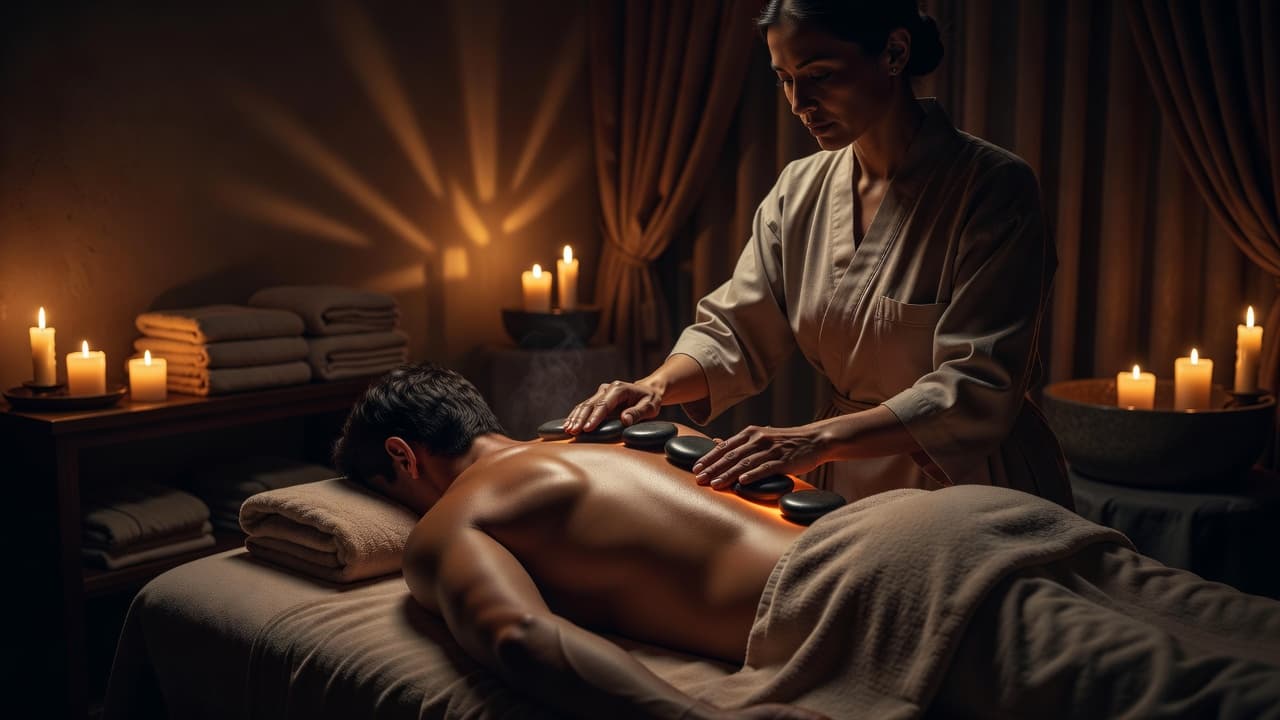
A local spa may offer a similar hot stone experience without using the Hand & Stone brand. Ask whether the service includes heated stones, a standard body massage, or a separate add-on. The wording on a menu can vary, so a short call before booking prevents confusion.
The stones should feel pleasantly warm, never painfully hot. A trained Massage Therapist tests the temperature and checks your response throughout the appointment. Proper technique matters more than the brand name.
What to Expect During a Hot Stone Session
A quality session starts with a brief consultation. Your therapist should ask about pain, injuries, allergies, pregnancy, recent surgery, skin conditions, and the pressure you prefer. Mention reduced heat sensation, diabetes, or any condition that affects your skin or circulation.
After the consultation, you’ll receive instructions about undressing and draping. Only the area being massaged should remain exposed. The therapist may begin with hands-on strokes before introducing the stones, allowing your body to adjust to the warmth.
During the massage, the therapist might place stones along large muscle groups or use them as an extension of the hands. The warmth can feel comforting across the back and shoulders, while slower movements help create a calm rhythm. Speak up if the stones feel too hot, the pressure is uncomfortable, or you feel dizzy.
Massage may help reduce muscle stiffness and support relaxation. The Mayo Clinic Health System’s explanation of massage benefits lists possible benefits such as improved circulation, less stiffness, and better sleep. Research reviewed by the National Center for Complementary and Integrative Health also suggests short-term relief may occur for some neck, shoulder, and lower-back pain.
Those benefits don’t make massage a replacement for medical care. Avoid hot stones over open wounds, active rashes, areas with reduced sensation, or fresh injuries. Anyone with a diagnosed blood clot, fever, serious circulation problem, or recent operation should get medical advice before booking.
A relaxing session should never require you to tolerate excessive heat or painful pressure.
Choosing the Right Massage Style
Hot stone work suits clients who want warmth and gentle-to-moderate pressure. However, it isn’t the right match for every goal.
Swedish Massage uses flowing strokes, light kneading, and moderate pressure. It’s a practical choice for first-time clients, general relaxation, or a calm evening after work.
Deep Tissue Massage uses slower, firmer pressure on areas of persistent tension. It may suit muscular tightness, but harder pressure isn’t always better. Tell the therapist if you want focused work without bruising or lingering soreness.
Thai Massage usually involves assisted stretching, compression, and movement. Clients remain clothed, and the experience feels more active than a traditional oil massage.
Lymphatic Massage, also called Lymphatic Drainage Massage, uses light, rhythmic movements. It differs from a standard Body Massage and should be provided by someone trained in the technique, particularly after surgery or when swelling has a medical cause.
A Foot Massage can be enough after a long day on your feet. When searching for a Foot Massage Near me, check whether the session includes the feet only, the calves, or a longer treatment. A Full Body Massage usually covers the back, legs, arms, shoulders, neck, and feet, although each spa defines the service differently.
Broad labels such as Asian Massage can describe very different traditions. Ask which method the therapist practices, how long the appointment lasts, and whether stretching or oil is involved.
Home devices have a place, but they aren’t equal to skilled touch. A Massage Gun can provide short-term percussion on large muscles. A Massage Chair can be convenient at home or in an office, while a Foot Massager may ease tired feet. None can assess your posture, adjust pressure by feel, or respond to pain as a trained therapist can.
US searches may also show brands such as Massage Envy, Elements Massage, and Massage Heights. Massage Warehouse is useful when comparing professional equipment, but those names don’t automatically describe services available in Nairobi. A massage video can demonstrate a technique, yet watching one isn’t a substitute for a trained practitioner.
Finding a Massage in Kilimani and Nairobi
If you’re looking online, searches such as Massage Near me, Massage Spa Near me, Massage Near Me Current Location, and Massage Near Me Open Now usually show nearby businesses with current hours. More local searches include Massage Spa Nairobi, massage Nairobi, Nairobi Massage Near me, Nairobi Massage Center, and Nairobi Massage Therapist.
The results may include a hotel spa, beauty salon, independent practitioner, or full-service Massage Spa. Compare the treatment menu rather than choosing only by the first photo or lowest price. Look for a clear location, working phone number, recent reviews, service descriptions, and appointment process.
Kilimani clients can also search for Massage Places Near Me or Massage Therapy Near me when they want a professional treatment rather than a vague wellness listing. For a nearby option, Classy Massage & SPA publishes its current massage rates and lists appointment lengths such as 30, 45, 60, and 90 minutes. Its treatment plan page also lets clients explore massage treatment options.
Some searches need extra caution. Phrases such as Nairobi Massage ladies, Nairobi Massage ads, Nairobi Massage spa telegram, Massage Parlour Near Me, and Nairobi Massage parlour can produce unclear or unverified listings. A professional provider should explain the service, price, address, therapist availability, and boundaries before asking for payment.
Don’t send money to an unknown number without confirming the business. Avoid providers who refuse to share treatment details, pressure you into extra services, or ask you to meet in a private location without a proper reception area.
The American Massage Therapy Association’s reasons to get a massage can help you distinguish general relaxation goals from concerns that need medical guidance. For ongoing pain, swelling, numbness, or weakness, contact a qualified healthcare professional first.
Questions to Ask Before You Book
A short conversation can tell you a lot about the provider. Ask these questions before confirming:
- Does the session use heated stones, and are they included in the listed price?
- How does the therapist check stone temperature?
- Can I choose light, medium, or firm pressure?
- How long does the actual massage last?
- Are towels, oil, aromatherapy, or other add-ons charged separately?
- What should I do if the heat or pressure feels uncomfortable?
- Does the therapist have training in the treatment I selected?
Price should match the session length and service, not only the business name. A low advertised rate may cover ten minutes, while a higher rate may include a longer appointment or additional therapy. Confirm the final cost before the treatment begins.
Conclusion
Hand and Stone Massage usually describes a branded hot stone experience, while a similar service may be available at a Nairobi spa under a different name. The best choice depends on whether you want warmth, relaxation, firm muscle work, assisted stretching, or focused foot care.
For Kilimani clients, safety and clarity matter more than a familiar brand. Check the therapist, confirm the treatment, discuss your health history, and choose a session where you can control the pressure and temperature. A good massage should leave you comfortable, informed, and properly cared for.