
Swedish Massage in Kilimani: Benefits and What to Expect
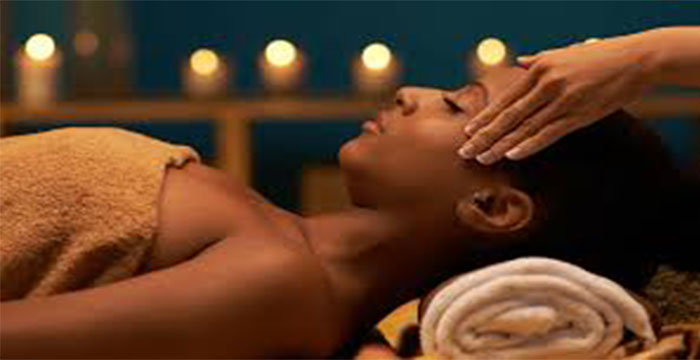
Swedish Massage is one of the most loved spa treatments in Kilimani because it gives you that rare mix of calm and relief in a single session. With light to medium pressure, long flowing strokes, and steady rhythm, it helps your body loosen up while your mind slows down.
If you’ve been carrying stress, tight shoulders, or plain exhaustion, this style of massage can feel like a reset button. In Kilimani, it’s a favorite for people who want a soothing full-body treatment that feels both gentle and effective, and the right session can leave you lighter, looser, and easier to move.
In the sections ahead, you’ll see what Swedish massage is, how it works, the benefits you can expect, who it suits best, and where to find a good experience in Kilimani, including massage rates at Classy Massage & SPA and our relaxing massage options.
What Swedish Massage Really Is, and Why It Is So Popular
Swedish massage is the classic, relaxation-focused style many people picture when they hear the word “massage.” It grew into one of the most widely used forms of massage because it feels approachable, comforting, and effective without being harsh on the body.
At its core, it uses flowing strokes, kneading, gentle pressure, and a steady rhythm to help the body let go. That mix is a big reason people return to it again and again, especially when they want stress relief, better circulation, or a softer first massage experience.
The five classic strokes that define the treatment
Swedish massage is built around five main strokes, and each one has a different job. Together, they create the smooth, calming flow that makes this treatment feel so complete.
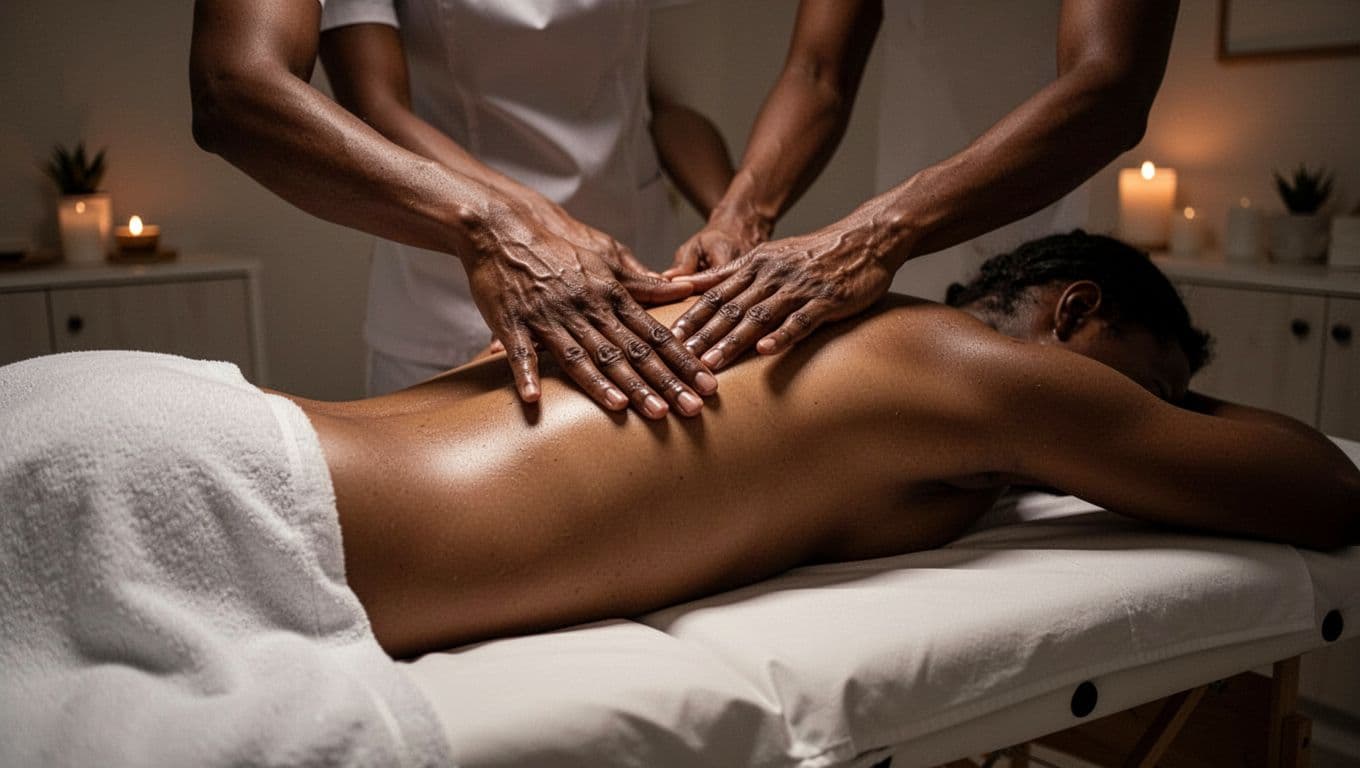 The first stroke is long gliding movement, often called effleurage. It feels light, smooth, and continuous, almost like waves passing over the skin. Therapists use it to warm the muscles, spread massage oil, and help your body settle into the session.
Next comes kneading, or petrissage. This feels more like a gentle squeezing and lifting of the soft tissue, similar to kneading dough. It helps loosen tight areas, improve circulation, and release that tired, boxed-in feeling in the muscles.
Friction is more focused. It uses smaller rubbing motions on specific spots, so it can feel warmer and more concentrated. Therapists use it when they want to work on stubborn tightness or areas that need extra attention.
Then there is tapping, also known as tapotement. This is a quicker, rhythmic motion that can feel energizing rather than sleepy. It is often used to wake up the muscles and bring a little more movement into the session.
Finally, gentle shaking or vibration creates a soft trembling sensation in the body. It often feels calming and light, almost like the muscles are being encouraged to let go. Therapists use it to relax tense areas and round off the treatment with a soothing finish.
For a clearer breakdown of the technique, the five basic Swedish massage strokes are a helpful reference.
The magic of Swedish massage is in the rhythm. Each stroke prepares the body for the next one, so the whole session feels smooth instead of abrupt.
How Swedish massage is different from deep tissue work
Swedish massage and deep tissue massage both help with tension, but they feel very different in the room. Swedish massage usually uses lighter to medium pressure, so it feels calming, flowing, and easy to relax into. Deep tissue work goes heavier and slower, with more focus on stubborn knots and chronic tightness.
If you want to unwind after a stressful week, Swedish massage is usually the better fit. If your shoulders feel locked up from long-term tension or physical strain, deep tissue may be more suitable.
A simple way to separate them is this:
- Swedish massage feels softer and more restful.
- Deep tissue massage feels more intense and targeted.
- Swedish massage suits relaxation and general muscle ease.
- Deep tissue massage suits deeper tension and specific problem areas.
People often choose Swedish massage first because it gives their body room to breathe. It is less intimidating, and that matters if you are not used to massage pressure. For a fuller comparison, this overview of Swedish massage therapy benefits explains why many clients start here before trying heavier techniques.
Who usually enjoys this type of massage most
Swedish massage draws in a wide range of people because it feels easy to say yes to. If your days are packed with stress, screen time, or long hours at a desk, the gentle pressure can help your body loosen up without pushing it too hard.
It is also a strong choice for beginners. The pressure is usually predictable, the rhythm is calming, and the session feels more like a reset than a workout for your muscles.
Many couples choose Swedish massage for a shared spa visit because it keeps the experience relaxed and comfortable. Likewise, people who want a quiet spa treatment without intense pain often prefer it over more aggressive styles.
It can be a good match if you want:
- a calm first-time massage
- relief from everyday stress
- looser shoulders and upper back muscles
- a soothing session with light to medium pressure
- a full-body treatment that feels easy to enjoy
For anyone looking through massage service plans in Kilimani, Swedish massage is often the most approachable place to begin. It gives you the feel of a proper therapeutic session without making the body brace for strong pressure.
Most of all, it stays popular because it does something simple very well. It helps people slow down, breathe more easily, and leave the room feeling better than when they came in.
What happens during a Swedish Massage session
A Swedish Massage session is usually calm from the moment you walk in. The room feels soft and private, the pace slows right away, and the whole setup is designed to help your body stop bracing for the day. By the time the therapist begins, you already feel a little less tense.
 ### What the spa room and setup feel like
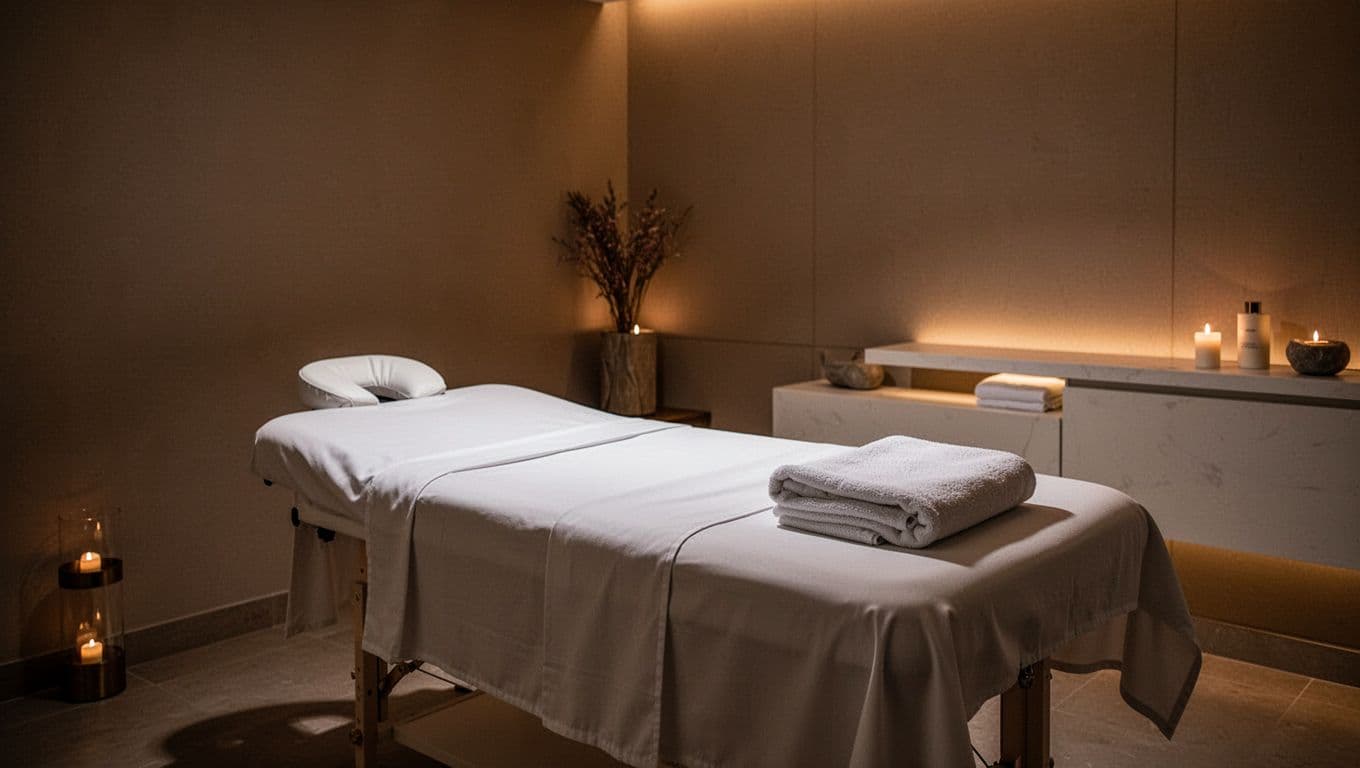
The room is usually quiet, dim, and warm enough that your muscles do not have to fight the air. Soft lighting replaces anything harsh, and gentle music helps fill the silence without taking over the space. A clean massage table, fresh sheets, and warmed oil or lotion set the tone before a hand even touches your skin.
That atmosphere matters more than people expect. Your nervous system picks up on safety fast, so the body starts to soften before the treatment begins. Breathing slows, shoulders drop, and the mind stops scanning for the next task.
Most people also appreciate how simple the setup feels. There is nothing loud or crowded about it, just a steady, quiet space that lets your body settle into rest. If you want to ask about timing, pressure, or booking details before your visit, the spa team at contact the spa team can help you prepare.
A good Swedish Massage room should make you feel at ease before the session starts. That early sense of calm often becomes part of the treatment itself.
How the therapist works through the body
A full-body Swedish Massage usually follows a smooth, predictable flow. The therapist often begins with the back, neck, and shoulders, since those areas carry a lot of daily tension. From there, the work moves to the legs, arms, hands, and sometimes the feet, so the whole body gets attention without feeling rushed.
The strokes are usually light to medium in pressure, with long gliding movements, kneading, and gentle circular work. That rhythm helps muscles warm up and release gradually, rather than tightening against strong force. If a spot feels too sensitive, you should say so right away, because the pressure can be adjusted as needed.
The therapist also uses draping throughout the session, which means only the area being worked on is uncovered. This keeps the treatment comfortable and respectful, while also helping you relax without feeling exposed. You stay covered, and the therapist moves the sheet only where necessary.
A typical flow might look like this:
- The therapist starts with broad strokes to warm the back and shoulders.
- Next, they ease into the neck, upper back, and arms.
- Then they move to the legs, hands, and feet if the session includes them.
- They adjust pressure based on your comfort and any tight areas you mention.
According to standard session guidance for Swedish massage, comfort and communication are part of the experience, not an afterthought. That is why the best sessions feel steady, not mechanical.
The pace should never make you brace. Instead, it should feel like a wave moving across the body, one area at a time, until the whole system starts to loosen.
How long a session lasts and what to expect after
Most Swedish Massage sessions last 60 minutes or 90 minutes. A 60-minute session is the common choice for a full-body reset, while 90 minutes gives the therapist more time to move slowly and spend extra attention on tight spots. Shorter or longer options may exist, but those two lengths are the ones many people book most often.
What you feel afterward can vary. Some people feel calm almost immediately, as if the noise in their head dropped several notches. Others leave the room feeling loose, sleepy, or unusually rested, especially if their body had been holding a lot of tension.
That relaxed after-feeling is normal. In fact, it often shows that your body finally let go. You may notice that your shoulders sit lower, your breathing is easier, and walking feels smoother for the rest of the day.
A few simple habits help after the treatment:
- Drink water, because hydration supports recovery and helps you feel steady.
- Rest for a while if you can, especially after a longer session.
- Keep the rest of your day light if you feel sleepy or drained.
- Move gently, rather than jumping straight into intense activity.
If you are planning a visit and want to compare options first, the massage service plans page is a useful place to look. It gives you a clearer sense of what fits your schedule and how much time to set aside.
In short, a Swedish Massage session is built to move your body from tension to ease in a careful, gradual way. The room helps you settle, the therapist works methodically through the body, and the aftereffect often feels like a quiet exhale that lasts well beyond the massage table.
The benefits people notice after Swedish massage
The best part of a Swedish Massage is often how obvious the difference feels by the time the session ends. People usually notice a lighter body, a calmer mind, and a slower inner pace that lasts beyond the spa room. The changes are simple, but they matter, especially when stress has been sitting in the shoulders or sleeping has started to feel broken.
 ### Stress relief that reaches both body and mind
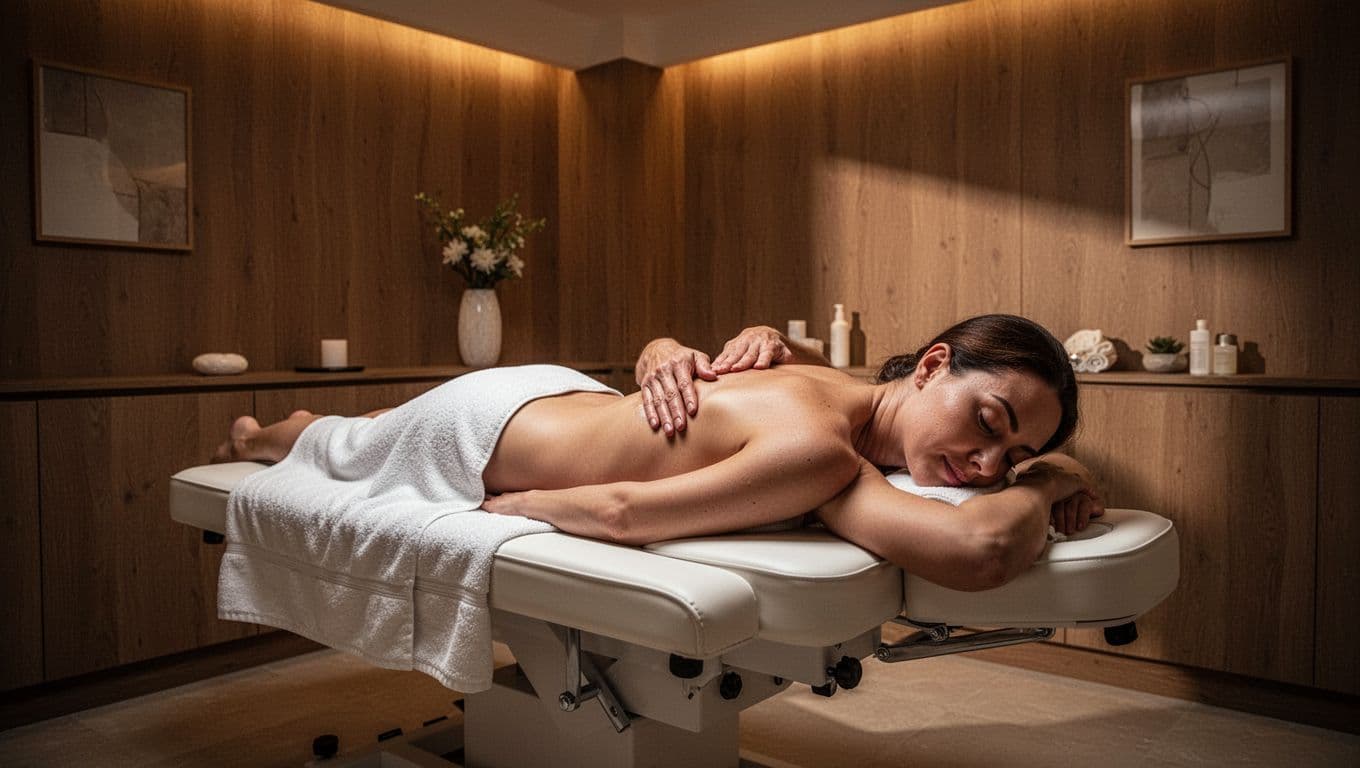
Swedish Massage has a way of slowing everything down. The long, steady strokes give the body a clear signal to stop bracing, while the rhythm helps quiet the mental noise that builds up during a busy week. When your shoulders have been creeping upward all day or your jaw feels tight from holding tension, that gentle touch can feel like someone turning down the volume.
The relief is practical, not abstract. Your neck may feel less locked, your back may stop feeling like a board, and even your breathing can become easier. As the muscles soften, the mind often follows, because the body is no longer stuck in that alert, wired state.
For many people, that is why this treatment gets repeated. It gives a real pause, not just a pleasant hour. If you want a broader look at why regular sessions matter, the benefits of regular massage explain how consistent care supports comfort over time.
When the body stops holding itself so tightly, the mind usually gets the message too.
Better circulation and looser muscles
Swedish Massage is known for its flowing strokes, and those strokes do more than feel good. They help move blood through the body more freely, which is one reason the skin and muscles often feel warmer during the session. That increase in warmth is part of what makes the treatment feel so refreshing.
As circulation improves, muscles often soften and release a little more easily. Tight areas can feel less rigid, and everyday stiffness may seem to melt away, especially in the shoulders, upper back, and legs. People often leave feeling as if their body has been gently switched back on.
A simple way to think about it is this, the massage helps the body move more smoothly, so you don’t feel as compressed or stuck. That is why many clients leave feeling lighter on their feet and less weighed down by tension. For a closer look at circulation-related effects, Swedish massage benefits and circulation gives a useful overview.
The refreshed feeling is part physical and part mental. Once the muscles loosen, even basic movement can feel easier, like bending, turning, or walking without that stiff, guarded sensation.
Why it can help with sleep, mood, and recovery
After a Swedish Massage, a lot of people feel ready for rest in a way they haven’t felt for days. The body feels calmer, the mind feels less crowded, and sleep often comes more easily that night. For some, that means falling asleep faster. For others, it means waking up less tense and more settled.
Mood can shift too. When stress drops and the body feels cared for, the entire day can feel lighter. You may not walk out floating on air, but you often leave with a more even mood and less of that worn-out, frayed feeling that builds up from long hours, poor sleep, or physical strain.
Recovery is another benefit people notice. Muscles may feel less sore after the session, and movement can seem smoother the next day. That is one reason many people book Swedish Massage after a demanding work week, a long commute, or a stretch of too much sitting.
A few common after-effects include:
- easier sleep later that night
- a calmer, more balanced mood
- less stiffness when getting up
- a general feeling of ease in the body
- less strain during normal movement
If you’re curious about the link between massage and rest, WebMD’s Swedish massage guide gives a clear look at how these treatments are commonly used for relaxation and tension relief.
In short, the benefits people notice after Swedish Massage are the ones that matter most in daily life. You feel less tense, more open in your body, and better able to rest. That combination keeps people coming back, because it doesn’t just feel good in the moment, it makes the rest of the day easier to carry.
How to choose the right Swedish massage for your needs in Kilimani
The best Swedish Massage in Kilimani is the one that matches your body, your schedule, and your comfort level. A good fit should feel easy from the first question you ask, whether you want a light reset after work or a longer session for stubborn tightness.
Start with what you want from the visit. Then look at the therapist, the room, the pressure, and the extras before you book. That small bit of checking saves you from guessing once you arrive.
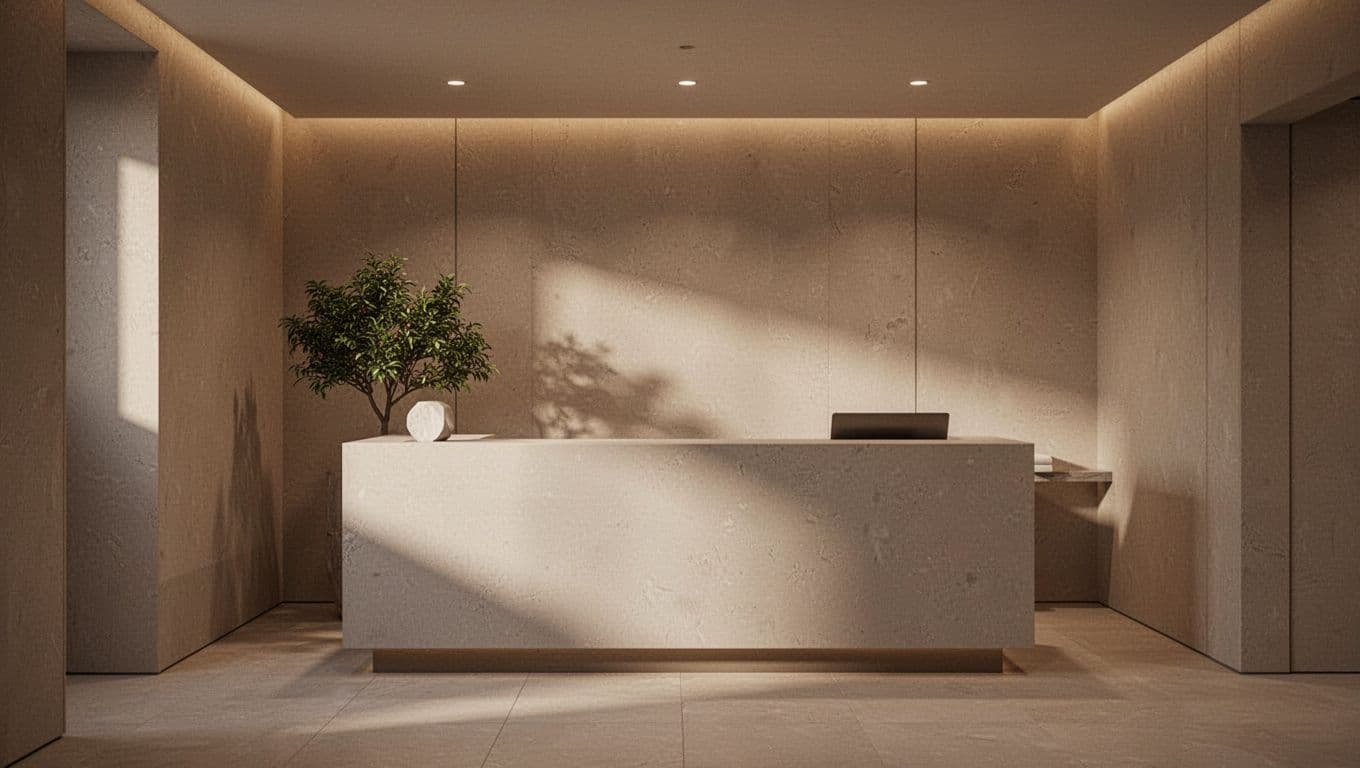 ### Questions to ask before you book
A few clear questions can tell you a lot before you step through the door. If the answers feel direct and helpful, you usually know you are in the right place.
Ask about the session length first. Some spas offer 60-minute full-body sessions, while others also provide 90-minute options if you want more time on tense areas. If you’re comparing massage types, it also helps to confirm whether the spa offers a full-body massage, a relaxation massage, or other services that fit your goal. For a simple overview of common massage styles, Healthline’s massage type guide gives a useful starting point.
You should also ask about pressure level. Swedish massage is usually light to medium, but your body may prefer softer strokes or firmer attention on the shoulders. Say what you want plainly, because a good therapist should adjust without making you repeat yourself.
Other good questions include:
- Is the spa clean and well maintained?
- How experienced is the therapist with Swedish massage?
- Do you use respectful draping throughout the session?
- What services are available besides Swedish massage?
- Are prices clear before the appointment?
These questions help you book with confidence instead of hope. In a busy area like Kilimani, that matters because you want a place that feels calm, easy to reach, and straightforward from the start.
What makes a good therapist or spa experience
Comfort matters just as much as technique. If the room feels rushed, noisy, or disorganized, it can be hard to relax no matter how skilled the hands are.
A professional spa usually shows its quality in small details. Clear pricing, clean linens, fresh-smelling rooms, and a respectful check-in process all point to a place that takes your experience seriously. Attentive service matters too, because the therapist should listen, adjust, and keep the pace steady.
Hygiene is non-negotiable. The table should be clean, the towels should look fresh, and the space should feel cared for, not worn out. You should also feel comfortable asking for lighter pressure, more focus on one area, or a quieter session.
A good Swedish massage feels safe before it feels soothing.
Kilimani has several nearby options, so compare them with service quality in mind, not price alone. For example, one spa may offer a lower rate, while another gives you more privacy, better communication, or a more peaceful setting. A good fit is often the place that feels calm the moment you walk in.
Add-ons that can make the experience better
Some extras work well with Swedish massage when you want a fuller spa visit. They do not need to be flashy, just useful.
Common add-ons include:
- Sauna time if you want your muscles to loosen before the massage
- Foot massage if your legs feel tired from walking or standing
- Herbal therapy if you like a warmer, more soothing finish
- Body treatments such as scrubs or wraps when you want the skin to feel refreshed too
These extras are worth considering if you have more time and want the experience to feel complete. A sauna session before massage can make the body feel softer, while a foot massage can be a smart choice if your feet carry most of the day’s strain.
For Swedish massage, keep the add-ons simple and relevant. The goal is not to pile on services, but to leave feeling better than when you arrived.
Classy Massage Spa in Kilimani and what local clients look for
Kilimani clients usually walk into a spa with a clear idea of what they want. They want privacy, steady service, easy booking, and a place that feels calm before the massage even begins. Clean sheets, a quiet room, and a smooth check-in matter just as much as the treatment itself.
That is especially true for people booking Swedish Massage. They want to relax without feeling rushed, watched, or unsure about what comes next. In a busy neighborhood like Kilimani, the best spa experience feels polished but still personal, with enough comfort to help the body settle fast.
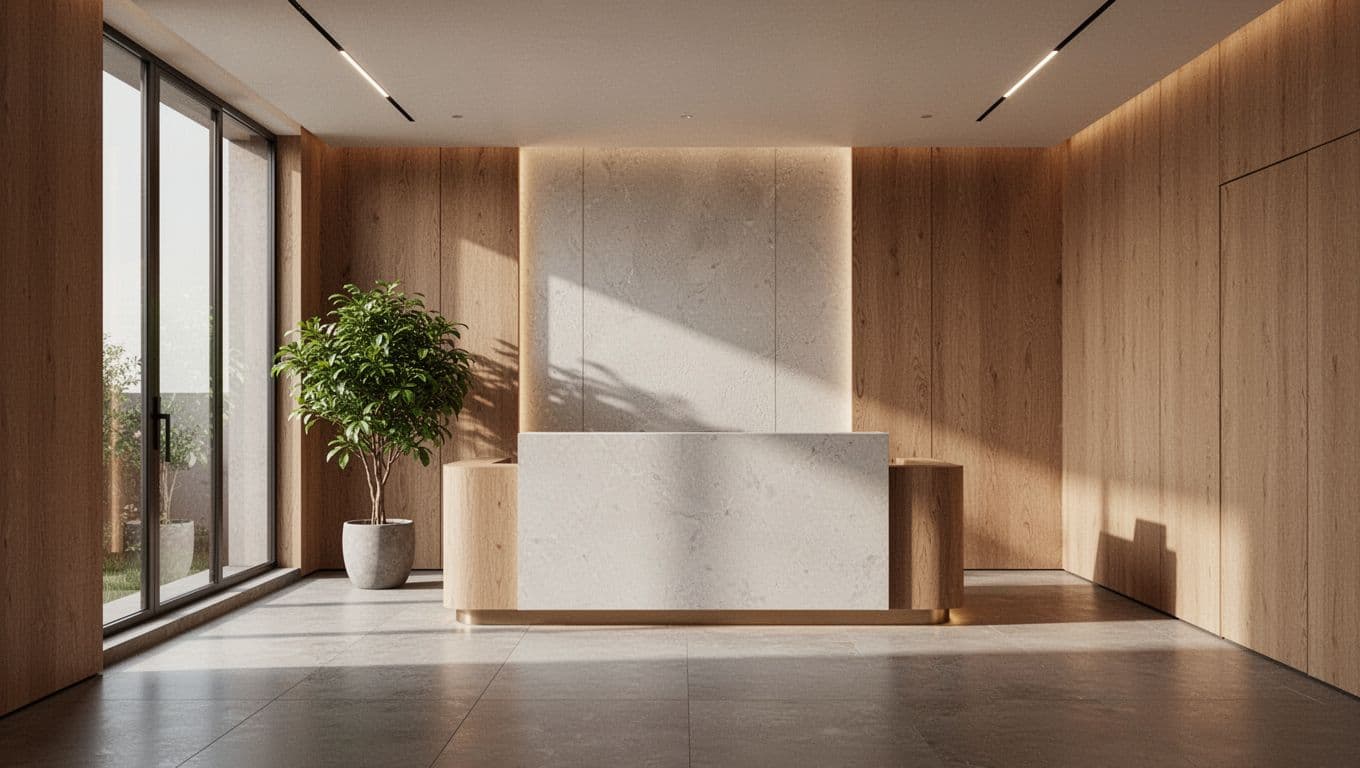 ### What local clients usually want from a spa in Kilimani
Most clients in Kilimani are looking for a spa that respects their time and their space. They want to book easily, arrive without confusion, and step into a room that feels clean, peaceful, and private. If the front desk feels organized and the therapist communicates clearly, the experience already starts on the right note.
Privacy is high on the list. Many people want a treatment room that feels quiet and enclosed, with proper draping and a professional tone throughout the session. They also want a setting that feels fresh, from the scent in the room to the condition of the towels and table.
Easy contact matters too. When someone can ask about sessions, availability, or prices without a long back-and-forth, the spa feels more reliable. A good local spa should make booking feel simple, not like a chore.
Clients also pay attention to the atmosphere right away. In a neighborhood with plenty of wellness choices, people compare small details closely, because those details tell them whether the visit will feel worth it. A spotless room, soft lighting, and a calm welcome can make a stronger impression than any menu of services.
A useful starting point is the spa’s own service page, such as the About Us page, because it helps readers understand the kind of experience the team wants to create.
How Swedish massage fits into a wellness routine
Swedish Massage fits neatly into everyday self-care because it helps people pause before stress builds too high. In a city routine filled with traffic, desk work, and constant phone alerts, a massage session gives the body a chance to slow down and recover. That break is practical, not indulgent.
Many people in Kilimani use massage as part of a regular rhythm, not only for birthdays or special treats. A monthly session can help soften tension before it turns into tight shoulders, a stiff neck, or restless sleep. For some clients, the habit is as ordinary as a haircut or gym visit, and just as useful.
It also works well as a reset after a demanding week. The smooth strokes and steady pace of Swedish Massage help people feel more balanced, which is why it fits into a broader wellness plan so easily. When you pair it with enough sleep, hydration, and lighter evenings, the benefit lasts longer.
Regular massage feels most valuable when life gets crowded. It gives the body one quiet hour to catch up.
What to compare before choosing a spa
Kilimani has enough spa options that comparison matters. The closest place is not always the best choice, especially if the room feels noisy or the service feels rushed. Look at the full experience, not just the treatment name.
Before you book, compare these points:
- Location and access: Choose a spa that is easy to reach and simple to find, especially if you plan to visit after work.
- Cleanliness: Check whether the space looks cared for, fresh, and well-kept in the treatment areas and reception.
- Service range: A spa with Swedish Massage, relaxing massage, and other options gives you more flexibility later.
- Therapist skill: Good pressure control and clear communication matter more than fancy decor.
- Value for money: Fair pricing should match the setting, privacy, and overall quality of the session.
Clients in Kilimani often compare service style as much as price. Some want a quiet, elegant room. Others want quick booking and a solid therapeutic touch. The best choice is the one that feels consistent, comfortable, and worth returning to.
When the spa feels clean, the therapist feels attentive, and the price matches the experience, the visit becomes easy to recommend. That is the standard many local clients are looking for, and it is the standard that keeps them coming back.
Simple ways to get the most from your Swedish massage
A Swedish massage feels best when you give it a little support before and after the session. Small choices, like arriving calm, speaking up about pressure, and letting your body rest afterward, can turn a good massage into a better one.
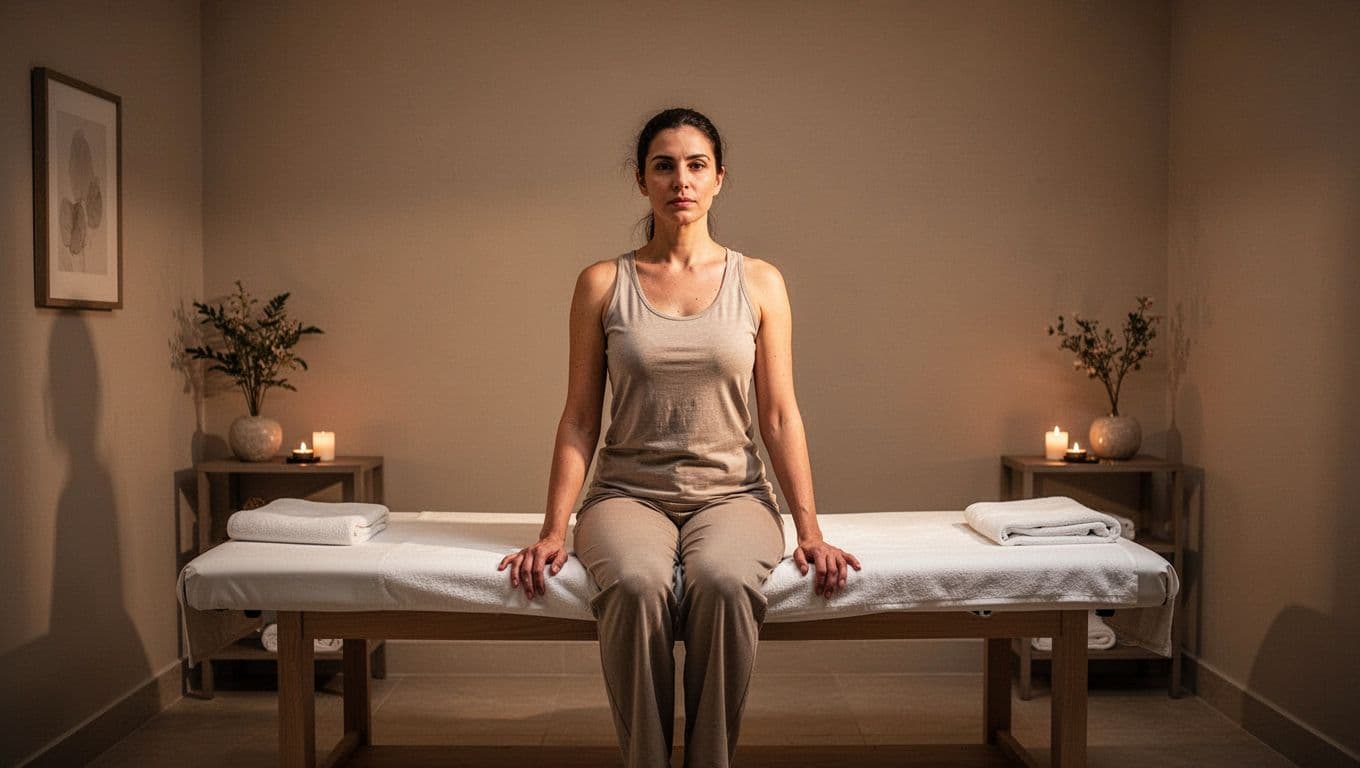 ### How to prepare before the appointment
A few simple habits make it easier for your body to relax once the massage starts. Try to arrive a little early so you are not rushing in with a tight jaw and hurried breathing. A calm arrival gives your nervous system time to settle.
Avoid a heavy meal right before your session, because lying face down after eating can feel uncomfortable. Drink water during the day, too, since good hydration helps your muscles respond better to touch.
It also helps to think about where you feel tight, sore, or overworked. Maybe your shoulders have been carrying stress, or your lower back feels stiff after long hours sitting. Share that before the session begins, because clear communication helps the therapist adjust pressure in a way that feels right for you.
If you enjoy a softer, more soothing mood, you can also ask about scent or oil options. Some people like aromatherapy massage benefits layered into the experience, especially when they want the session to feel even more calming.
A quick pre-session checklist can keep things simple:
- Arrive early enough to breathe and settle in.
- Skip heavy food close to the appointment.
- Drink water before you come.
- Notice any tight, sore, or sensitive areas.
- Speak up about pressure before the massage starts.
The best massage often begins before the therapist touches your skin, because your body relaxes faster when you arrive prepared.
What to do after the session
After your massage, keep the rest of the day gentle. Drink water, move slowly, and give yourself a little quiet time if you can. That helps your body adjust and keeps the calm feeling from fading too fast.
Some mild soreness can happen, especially if your muscles were tight to begin with, but it is usually brief and easy to manage. Many people feel sleepy or very calm afterward, which is normal. If you can, avoid jumping straight into a stressful task or intense workout.
Slow movement works better than sudden effort. A short walk, easy stretching, or just standing up and moving around the room can help you stay loose without overdoing it. For more general guidance on post-session care, the benefits of regular massage are even stronger when rest and hydration become part of the routine.
A simple aftercare plan looks like this:
- Drink water after the session.
- Move at an easy pace for the next few hours.
- Rest if you feel drowsy.
- Pay attention to any lingering soreness, which should stay mild.
- Keep your evening light if possible.
Used this way, Swedish massage does more than ease tension for an hour. It becomes part of a routine that helps your body recover, reset, and handle the week with less strain.
Conclusion
Swedish massage stays popular for a simple reason, it gives the body relief without asking it to work too hard for it. The long strokes, gentle pressure, and steady rhythm help ease everyday stress, loosen tight muscles, and leave the mind clearer than before.
For readers in Kilimani, the best choice is a place that feels welcoming, professional, and easy to trust from the moment you arrive. When the room is calm and the therapist knows how to listen, relaxation comes naturally.
Book a session when you are ready for a real reset. A good Swedish massage does not try to impress with force, it helps you feel like yourself again.