
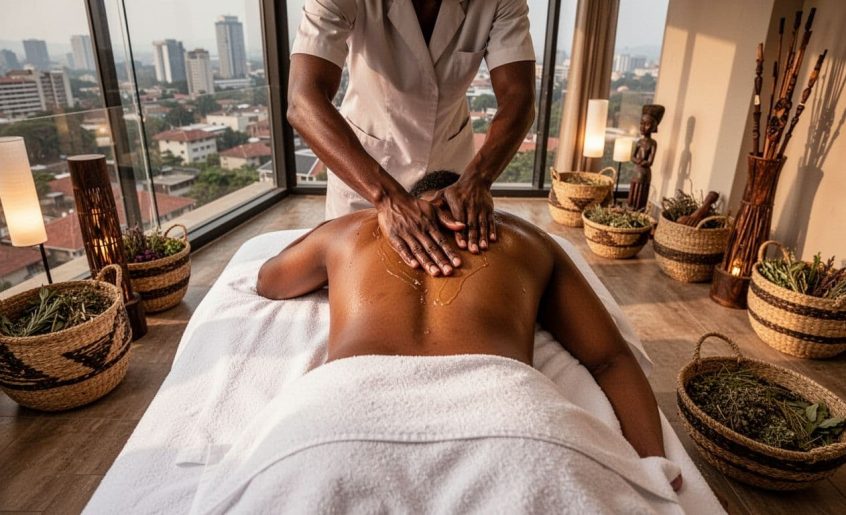
Deep Tissue Massage: Benefits, Pressure, and What to Expect
Deep Tissue Massage is the kind of treatment people book when stubborn tightness won’t ease up on its own, especially after long workdays, heavy training, or old muscle strain. It uses firm, slow pressure to reach deeper layers of muscle and fascia, which is why it’s often chosen for recovery, mobility, and relief that lasts beyond the table.
If you’ve ever wondered what it feels like, who gets the most benefit, or when the pressure is too much, this guide covers that too. It also explains when to skip it, and where to book in Kilimani, including massage rates at Classy Massage & SPA for a local option that fits your plan.
What Deep Tissue Massage Really Does for Tight, Tired Muscles
When your muscles feel packed with tension, a light massage often brushes the surface. Deep Tissue Massage works with slower, firmer pressure that reaches the layers underneath, where long-term tightness tends to hide. That is why people reach for it when the goal is relief that lasts, not just a short break from stress.
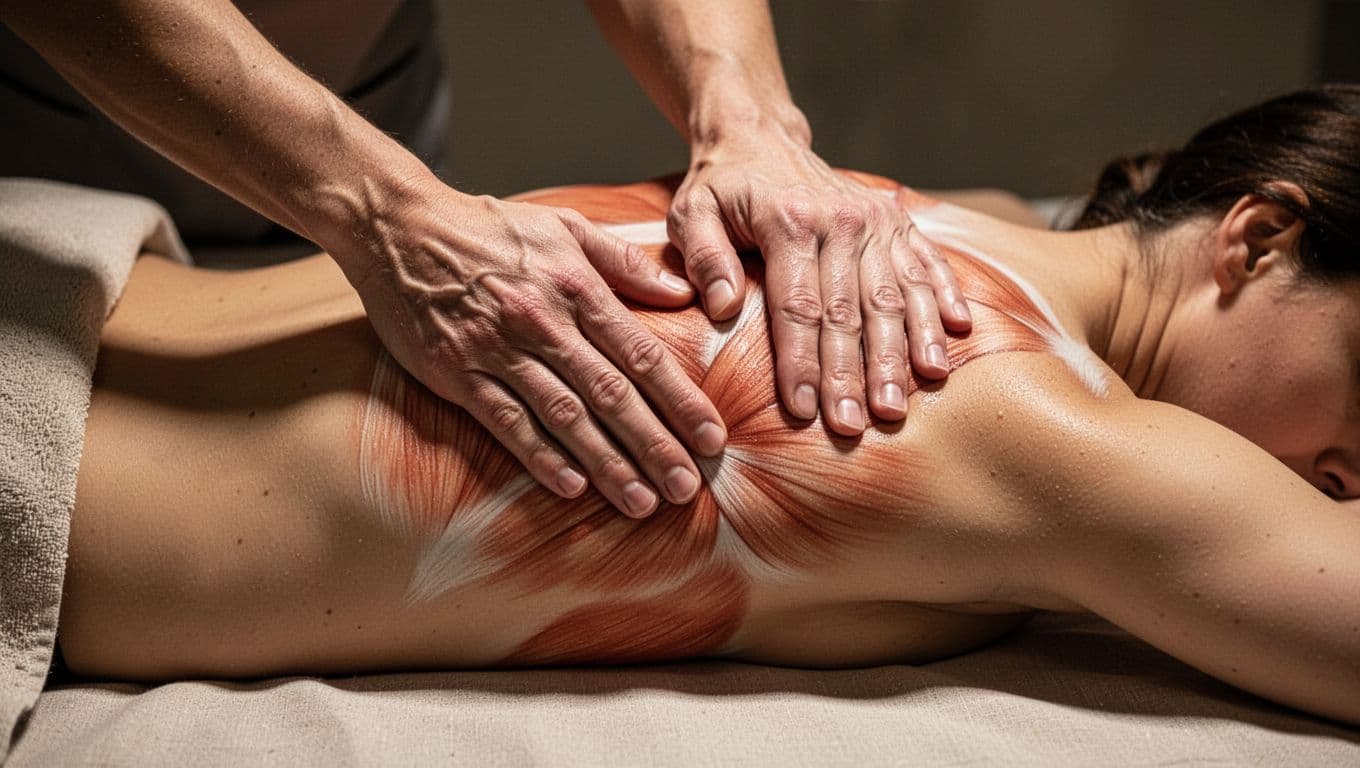 ### How the pressure reaches deeper layers
The therapist usually starts with slow strokes to warm the area and make the muscle easier to work on. After that, steady pressure moves along tight bands of tissue, often pausing on stubborn knots or adhesions, which are the spots that feel like hard little roadblocks under the skin.
That pressure is not random or rushed. It follows the grain of the muscle, so the work feels focused instead of scattered. In plain terms, the therapist keeps pressing where the tension lives until the tissue starts to soften and move more freely.
A typical session may use palms, forearms, elbows, or thumbs, depending on the area and the level of tightness. The pace stays deliberate, because fast strokes would only skim over the problem.
The pressure should feel intense, but still controlled. If it becomes sharp or painful, the massage is too much.
Deep tissue massage vs. a regular relaxation massage
A regular relaxation massage is built for comfort, calm, and general stress relief. It usually uses lighter pressure, smoother strokes, and a slower build that helps the whole body settle down.
Deep Tissue Massage has a different job. It aims at chronic tension, stiff spots, and muscle patterns that have been building for weeks or months, so the pressure is firmer and the pace is more focused. A relaxation massage leaves you floating; deep tissue leaves you feeling worked on in a very specific way.
Here is the simplest way to compare them:
| Feature | Deep Tissue Massage | Regular Relaxation Massage |
|---|---|---|
| Main goal | Release tight, stubborn muscles | Calm the body and mind |
| Pressure | Firm to very firm | Light to medium |
| Pace | Slow and targeted | Smooth and flowing |
| Best for | Chronic tension, knots, recovery | Stress relief, general relaxation |
If you want a broader sense of the treatment options available, massage services in Kilimani can help you compare what fits your needs.
The most common reasons people choose it
People usually book this massage because their bodies feel locked up in the same places over and over again. Back pain is a common reason, especially when the lower back or shoulders feel tight after long hours sitting or standing.
Neck stiffness is another big one. Poor posture, screen time, and stress can make the neck feel like a rope pulled too tight, and focused pressure often helps it loosen. Athletes also choose it after training, because sore legs, tight hips, and overloaded calves can slow recovery.
Common reasons include:
- Back pain and tension from long workdays or lifting
- Neck and shoulder tightness from posture or desk work
- Sports recovery after training, competition, or repetitive strain
- Poor posture that leaves certain muscles overworked
- Stress held in the body, especially in the jaw, back, and upper shoulders
For a medical view of how deep tissue massage differs from lighter techniques, the National Center for Biotechnology Information offers a useful research overview.
The Real Benefits People Notice After a Session
The biggest changes after Deep Tissue Massage are often easy to notice in the body first. Muscles feel less guarded, movement feels less stiff, and the whole system can settle into a calmer rhythm.
That said, the effects are not always identical for every person. Some people feel looser right away, while others notice the best results after a day or two, especially when they use massage as part of a regular recovery routine.
 ### Why sore muscles often feel looser afterward
When pressure stays focused on tight areas, the muscle stops bracing so hard. That matters because chronic tightness can make your body move like a stiff hinge, where every bend takes more effort than it should.
Deep, targeted work can soften those guarded spots and make movement feel easier after the session. A neck that felt cramped may turn more freely, and a lower back that felt dense may stop pulling quite so hard.
That sense of release comes from more than simple relaxation. Massage can help increase circulation in the worked area, which supports a better flow of oxygen and nutrients while encouraging waste products to move out. The result is often a lighter, more open feeling in the tissues.
Relief after a session can feel immediate, but the body may also need time to settle. Mild soreness for a day is normal when the pressure has been firm.
For people dealing with ongoing tightness, regular sessions can help the body stop falling back into the same rigid pattern. If you’re comparing options, the health advantages of regular massage are worth understanding too.
How it can support recovery and flexibility
After workouts, long commutes, or hours at a desk, muscles often stay shortened and irritated. Deep Tissue Massage can help with that by easing the tension that builds around overused areas, which gives the body a better chance to recover without feeling stuck.
That is one reason athletes and active people seek it out. A focused session can calm sore legs, release tight hips, and make it easier to return to training with less resistance in the body.
Improved flexibility is another benefit people often notice. When the tissue around a joint feels less tight, range of motion can open up, so bending, reaching, and twisting feel more natural.
A current review in PMC on deep tissue massage and recovery notes that massage can support muscle recovery and flexibility, especially after strenuous activity. In practical terms, that may show up as less soreness, less stiffness, and easier movement during daily tasks.
A few common changes people report are:
- Less post-workout soreness after training or repetitive physical work
- Less stiffness after sitting for long periods
- More ease in joints and muscles during stretching or movement
- Better recovery rhythm when sessions are repeated over time
The stress relief effect people do not always expect
The pressure can feel intense on the table, yet many people leave feeling mentally lighter. That happens because the body and mind are closely linked, and physical release often lowers the sense of internal pressure too.
As tight muscles ease, breathing often slows and the nervous system can shift out of high alert. People notice they feel less wound up, less restless, and more settled by the time the session ends.
Research also points to a stress response change after massage, including lower cortisol and a calmer mood state. That helps explain why a treatment focused on sore tissue can still feel like a mental reset.
The effect may be subtle at first, but it matters. You may not walk out floating, yet you might feel less cluttered in your head, less defensive in your shoulders, and more ready to rest.
The benefits can be temporary after one session, especially if tension returns quickly from work or training. With regular visits, though, many people notice the relief lasts longer and builds more steadily.
What to Expect During a Deep Tissue Massage Appointment
A first Deep Tissue Massage appointment feels much easier when you know the rhythm of it. The session usually starts with a short conversation, moves into focused pressure on the table, and ends with a brief period of settling in after the work is done. That flow matters because the therapist should match the pressure to your body, not force your body to match the pressure.
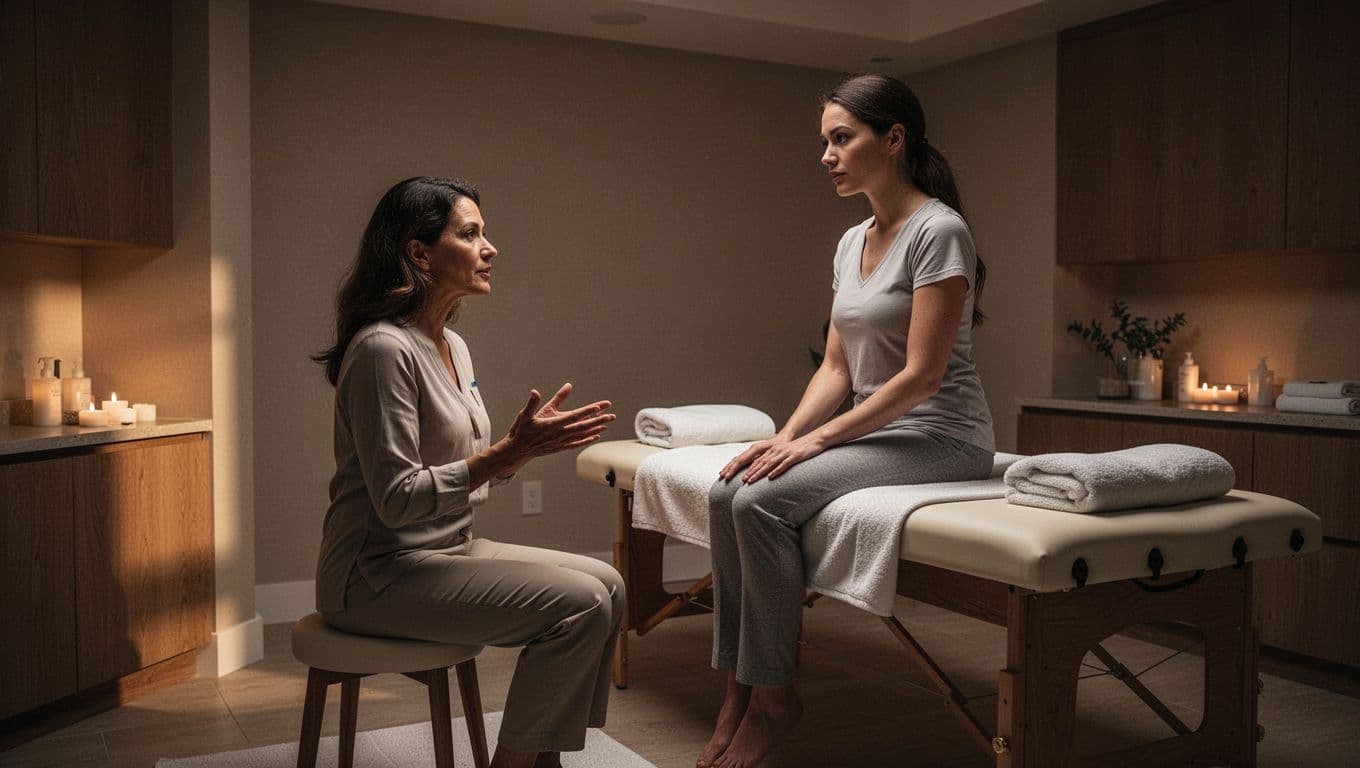 ### How the session usually begins
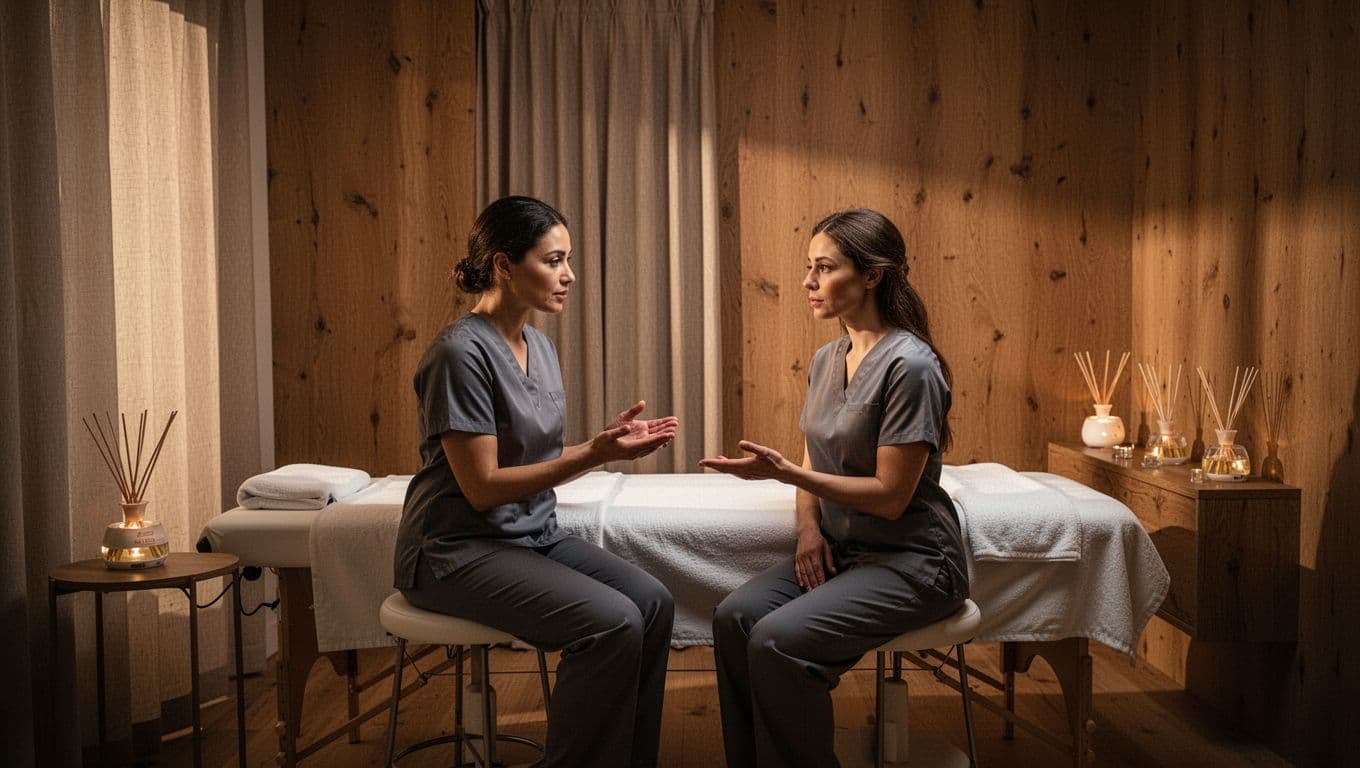
Before any hands-on work starts, the therapist usually asks a few direct questions. Expect to discuss pain points, old injuries, pressure preference, and your goal for the visit, whether that means easing a tight back, loosening your neck, or helping sore legs recover after training.
That intake conversation should feel simple and practical. If a spot feels sharp, tender, or especially guarded, say so. A good therapist will also ask where the tension starts, what makes it worse, and how you want the pressure to feel, because a deep massage should be tailored, not guessed at.
You may also be asked about recent workouts, physical strain, or anything that could make the work too aggressive. If you want to book or ask about services first, contact the spa team before your visit so you can share your concerns in advance.
What the massage feels like on the table
Once the massage begins, the pressure usually starts with slower, lighter passes before building into deeper work. The feeling is often intense, focused, and controlled, like a strong stretch applied from the outside in.
Firm therapeutic pressure can feel uncomfortable in a good way, especially over tight bands of muscle. Sharp pain is different. It can make you tense up, and that usually means the pressure has gone too far. If you start holding your breath, clenching, or pulling away, speak up right away.
A deep session should feel like steady work on a stubborn knot, not a battle with your body. The therapist may pause on tight spots, use forearms or elbows, and move slowly through the area until the tissue softens.
The right pressure feels productive. The wrong pressure feels like your body is bracing against it.
A useful way to think about it is this: you should feel challenged, not trapped. If the pressure needs adjusting, say so early. Small changes often make the biggest difference.
Why some soreness after the session can be normal
After a strong session, mild soreness is common, especially in the first 24 to 48 hours. That feeling is often similar to the ache you get after an unfamiliar workout, because the tissue has been worked in a real and direct way.
Simple self-care helps the body settle. Drink water, keep moving gently, and give yourself a lighter schedule if you can. A warm shower, easy stretching, and a restful night usually support recovery better than pushing straight into a hard workout.
Soreness becomes a normal part of recovery when it is dull, manageable, and gradually fades. It should not keep climbing, and it should not turn into sharp pain, numbness, or lingering bruising that feels out of proportion. When the discomfort eases on its own, that usually means your muscles are responding the way they should.
For a fuller sense of the after-effects, Cleveland Clinic’s massage recovery overview explains why bodies can feel tender before they feel better again.
Who Benefits Most, and Who Should Be Careful
Deep Tissue Massage is a strong fit when the body keeps holding the same tension over and over. It works best for people who need focused relief, not just a short moment of comfort. At the same time, the same pressure that helps one person can be too much for another, so health history matters.
 ### Best matches for this kind of massage
People with recurring muscle pain often get the most out of this treatment. If your shoulders tighten every afternoon, your lower back locks up after work, or your neck feels stiff for days at a time, deep pressure can help break that cycle and make the tissue move more freely.
It also suits desk workers who sit for long stretches. Rounded shoulders, a forward head posture, and tight hip flexors can leave the body feeling folded in on itself. A focused session can open up those areas and make standing, turning, and reaching feel less restricted.
Athletes and active people are another strong match. After training, repetitive impact, or heavy lifting, muscles can feel dense and overworked. Deep Tissue Massage can help ease that fatigue, especially in the calves, quads, glutes, upper back, and forearms.
This massage also helps with old tension that keeps coming back. Some areas hold stress like a clenched fist, even when life calms down. When the same knot keeps reappearing, targeted pressure may give the tissue a better chance to reset.
A good fit often looks like this:
- Chronic tightness in the neck, shoulders, or back
- Posture-related stiffness from desk work or driving
- Training fatigue after sports, gym work, or manual labor
- Repeated knots that return in the same spot
If you want a broader picture of who tends to benefit from massage care, the National Center for Complementary and Integrative Health offers a useful overview of massage therapy uses and safety.
When deep pressure may not be the right choice
Deep pressure should be avoided or modified when the body is already dealing with something acute. A fresh injury, a hot swollen joint, or a recent strain often needs rest and medical guidance first, because firm work can add irritation to tissue that is still healing.
Inflammation flare-ups deserve the same caution. When an area is red, tender, warm, or visibly swollen, deep work can make it angrier. That also applies to bruised tissue, open wounds, burns, and skin infections, where direct pressure can create more damage or spread trouble.
Blood clot risk is a serious concern. If someone has a known clotting disorder, current deep vein thrombosis, or unexplained swelling and pain in a leg, massage can be dangerous. Recent surgery is another clear reason to wait, since healing tissue and stitches need time before any strong pressure is used.
Pregnancy also calls for care. Some people can receive massage during pregnancy with the right training and medical clearance, but deep pressure on the abdomen, legs, or sensitive points should be handled by a qualified professional who knows how to modify treatment safely.
The same caution applies when someone has:
- Recent fractures or bone fragility
- Uncontrolled high blood pressure
- Active cancer treatment without clearance
- Nerve pain, numbness, or unexplained sharp pain
- Medication use that raises bruising risk
If the body feels inflamed, unstable, or medically complex, deep pressure should wait until a qualified professional clears it.
For a clear breakdown of common massage contraindications, massage safety guidelines can help explain when treatment should be avoided or adjusted.
How to speak up about pressure and comfort
The best massage sessions include feedback. If the pressure feels too intense, say it early, before your muscles start guarding against it. A small adjustment can turn a grimace into real relief.
It also helps to point out any sensitive area before the therapist works on it. That might be an old injury, a tender shoulder, a bruised hip, or a spot that flares up when touched. Clear communication keeps the work focused and reduces the chance of leaving the table sore in the wrong way.
You should also ask the therapist to slow down if the pace feels rushed. Deep Tissue Massage works best when the pressure builds steadily, almost like easing open a stiff hinge. Fast, forceful work can make the body brace instead of release.
A simple way to speak up is to say:
- “That pressure is a little too much.”
- “Please go slower on this side.”
- “This area is sensitive, so keep it lighter.”
- “I feel sharp pain there, so let’s avoid it.”
You don’t need to tough it out. Good pressure should feel strong, but still controlled. If you have any medical condition, recent injury, or pregnancy-related concern, check with a qualified health professional first, then let the therapist know exactly what your body needs.
How to Choose the Right Deep Tissue Massage Spot in Kilimani
Choosing a Deep Tissue Massage spot in Kilimani should feel practical, not like guesswork. The right place gives you clear answers, a calm room, and a therapist who listens before they press.
In a busy area like Kilimani, the best spas usually make the experience feel easy from the start. That means you can compare them by service quality, not by polished photos alone.
 ### What a good spa experience should feel like from the first call
A good spa gives you a clear tone before you even walk in. The booking call should feel warm, direct, and organized, with clear pricing, simple answers, and no pressure to commit before you understand the service.
You should also hear confidence in how they handle your questions. A professional spa asks about your goals, your pressure preference, and any injuries or sensitive areas before the massage starts.
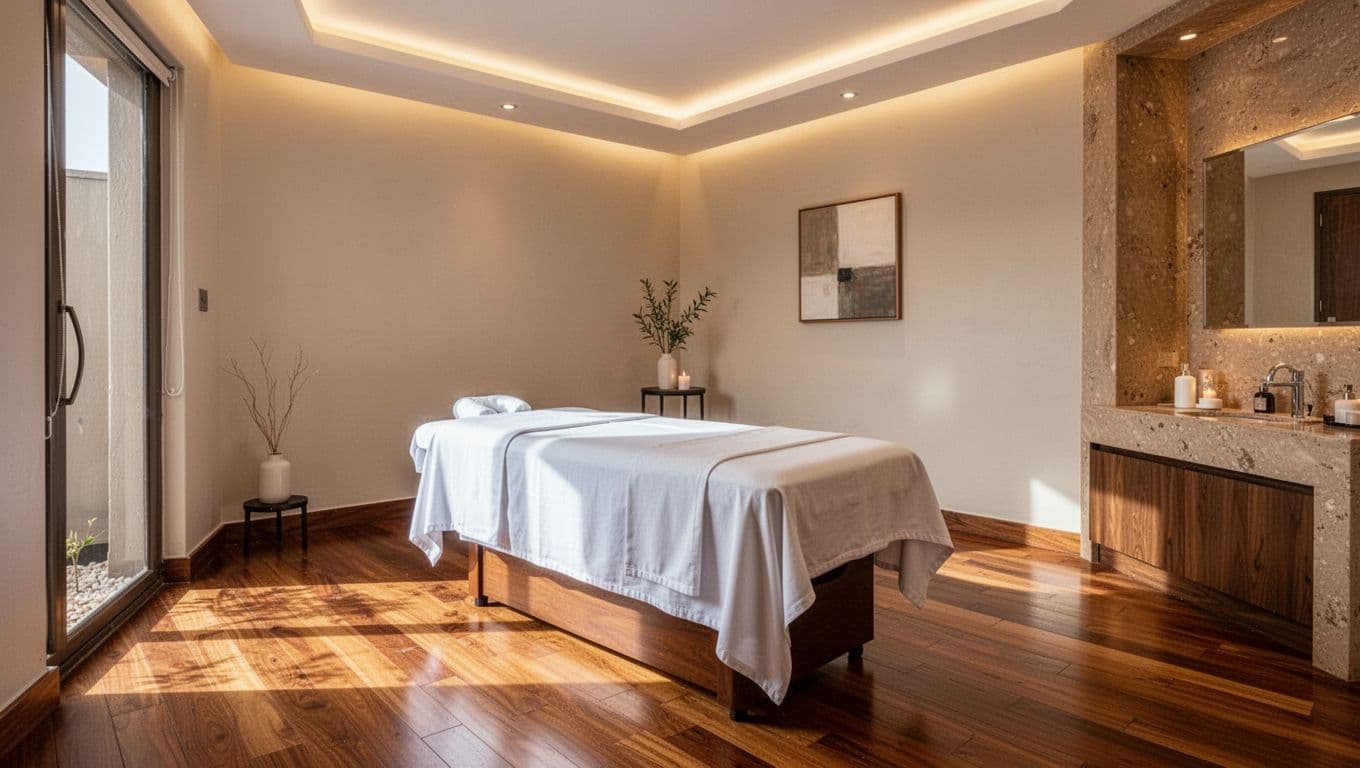
Once you arrive, the space should feel clean, private, and settled. Fresh linens, tidy rooms, quiet waiting areas, and respectful staff matter because deep work needs trust as much as technique.
Look for small signs of care, such as:
- Easy booking by phone, message, or online request
- Plain pricing details without hidden extras
- A clean, calm room with fresh towels and good hygiene
- Privacy during consultation and treatment
- Staff who ask about your body before they begin
If a place feels rushed at the front desk, that feeling often follows you onto the table. A proper spa makes the whole process feel steady, like your comfort is part of the service, not an afterthought.
Why reviews, hours, and service menus matter
Reviews help you see beyond the marketing. Read what people say about pressure control, cleanliness, punctuality, and whether the therapist listened when they asked for a lighter or firmer touch.
Hours matter too, especially if you want a session after work or on the weekend. A spa can look great online, but if the schedule never fits your day, it won’t work in real life.
The service menu is just as important. Some places say they offer therapeutic massage, but their menu may lean more toward relaxation treatments. If you want a true Deep Tissue Massage, check that the spa clearly lists it and doesn’t bury it under vague wording.
A quick comparison can help:
| What to check | What good looks like |
|---|---|
| Reviews | Mentions of skilled pressure, clean rooms, and respectful service |
| Hours | Times that fit your routine, including evenings or weekends |
| Menu | Clear deep tissue options, not just general massage language |
| Booking | Simple contact methods and fast responses |
You can also look at the broader wellness scene nearby. Other Kilimani spas may offer similar services, but the right choice is the one that matches your needs, budget, and comfort level. For a deeper look at the available treatment options, view the spa and massage menu before you decide.
What to look for at Classy Massage Spa in Kilimani
Classy Massage Spa in Kilimani is worth checking if you want a local option that feels calm, professional, and easy to book. What matters most is not just the name, but whether the experience matches what your body needs.
Confirm the massage options first. If you want deep pressure for stubborn tension, make sure the spa offers the style you want and explains how the session is handled. A good menu should help you choose with confidence, not leave you guessing.
Also check the atmosphere. A serious massage space feels quiet, orderly, and unhurried. The staff should seem attentive without being overbearing, and the treatment area should support relaxation the moment you step in.
Booking ease matters too. If the spa answers promptly, shares service details clearly, and offers flexible appointment times, that is a strong sign they respect your time. That matters in Kilimani, where people often need treatment that fits a workday, errand run, or evening reset.
Before you go, confirm these points:
- The spa lists the massage style you want.
- The pricing is clear before you arrive.
- The hours match your schedule.
- The booking process is simple.
- Recent reviews mention professionalism and comfort.
If you want to ask about availability or special requests first, contact the Classy Massage team and get the details before you book. A little checking upfront saves you from a disappointing session later.
Conclusion
Deep Tissue Massage is the right choice when stubborn tension needs more than a light, soothing touch. It helps ease tight muscles, improve mobility, and bring real relief to the spots that keep tightening back up.
The best sessions depend on clear communication. When you speak up about pressure, comfort, and sensitive areas, the therapist can work with your body instead of against it, and that usually leads to better results with less after-session soreness.
Choosing a trustworthy spa matters just as much as the technique itself. If you are comparing local options in Kilimani, book a session with a place that listens well, explains its services clearly, and matches your comfort level and goals.