
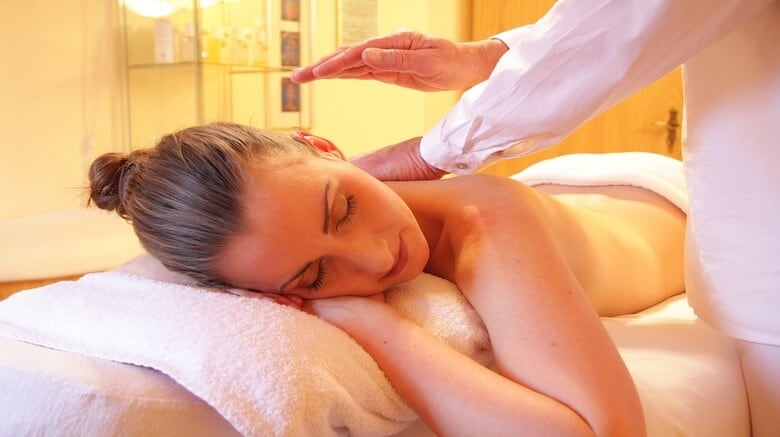
Benefits of Massage for Stress Relief and Recovery
A good massage can do more than help you unwind for an hour, it can ease the tightness that follows long workdays, training sessions, and stubborn stress. For many people, the Benefits of Massage show up as a calmer mind, looser muscles, and a body that feels more ready to move again.
That matters because stress does not stay in your head alone, it settles into your shoulders, jaw, back, and sleep. Research has linked massage with lower tension, better mood, and faster recovery after physical strain, which is why it keeps showing up in both wellness routines and sports recovery plans. If you want a broader look at the science, these regular massage benefits are worth understanding.
Different massage styles can support different needs, too. A relaxing session may help you switch off, while deeper bodywork or foot-focused therapy can fit better after a hard week on your feet or a tough workout. At Classy Massage Spa in Nairobi, that mix of comfort and care fits neatly into a real routine, not just an occasional treat.
What the benefits of massage can do for your body and mind
Massage affects more than sore muscles. It also changes how your body feels on the inside, which is why people often leave a session feeling calmer, lighter, and more settled. When the pressure is right, touch can help the body slow down, the mind quiet a little, and the whole system move out of high alert.
 For many people, that shift is the real value. You feel it in your shoulders when they finally drop. You notice it in your breathing when it stops feeling shallow. You may even catch it in your thoughts when the mental noise starts to fade.
How massage helps your nervous system switch gears
Your nervous system has two main settings. One keeps you alert and ready to react, which is useful when you need focus or speed. The other helps you rest, recover, and repair. Stress often traps people in the first mode for too long, so the body stays tense even after the stressful moment is over.
Massage can help nudge the body toward that calmer setting. Slow, steady pressure tells the body it can ease up, and the muscles often follow. A tight neck after a long workday, for example, may slowly soften as the body stops bracing for the next email, the next call, or the next errand.
That shift is more than a feeling. Research on massage and the autonomic nervous system shows that moderate-pressure massage can move the body toward a parasympathetic, or “rest and digest,” state. In plain terms, that means your heart rate, breathing, and overall tension may start to settle. A study on autonomic response to massage found signs of relaxation in the nervous system during massage application.
When the body feels safe, it stops acting like it has to defend itself every minute.
The mental side matters too. When the body stops holding stress, racing thoughts often lose some of their grip. That is why a session can feel like someone turned down the volume in your head, not just loosened your muscles.
Why massage may lower stress and improve mood
Stress relief is one of the clearest reasons people book massage again and again. After a session, many people say they feel lighter, sleep more easily, and wake up in a better mood. Those changes matter because stress can wear you down in small ways before you notice the full picture.
Massage may support healthier stress hormone levels and encourage the release of feel-good chemicals in the body. That simple mix can help explain why people often leave a table feeling more balanced than when they arrived. Less pressure in the body often leads to less pressure in the mind.
There’s also a strong link between touch and emotional ease. A calm, steady session can feel like a reset after a rough week, especially when your schedule has been full and your sleep has been off. For readers who want a broader look at the range of massage and relaxation benefits, it helps to see massage as part of a regular wellness routine, not just a fix for pain.
A better mood after massage does not mean every problem disappears. It does mean the body may feel less overloaded, which gives the mind more room to breathe. That extra breathing room can make the rest of the day feel more manageable.
The everyday relief people notice most
The most appreciated benefits of massage usually show up in daily life. People notice less muscle tightness, less stiffness in the morning, and a greater sense of physical ease after sitting, standing, training, or commuting for long periods. Those changes may sound simple, but they add up fast.
Here are a few everyday shifts people often look for:
- Less tightness in the shoulders and neck, especially after desk work or driving
- More comfort in the back and hips, particularly when stress has made everything feel locked up
- A softer, more relaxed body, which can make it easier to unwind at home
- A steadier sense of balance, because less physical tension often means less mental strain
Many people also use massage for general wellness, not only when they are in pain. That’s a smart approach, because regular sessions can help keep stress from building up in the first place. When the body gets repeated chances to let go, it often stays looser and more responsive in daily life.
The benefit is not dramatic all at once. It tends to build through small changes, like easier movement, calmer breathing, and less of that heavy, wound-up feeling at the end of the day. Over time, those changes can make your body feel more like an ally again.
The physical health benefits that matter most in daily life
The strongest benefits of massage are often the ones you feel in ordinary moments. You notice them when your legs feel less heavy after a long day, when your shoulders move more freely, or when your body settles enough to sleep without fighting itself. Those changes sound simple, but they shape how you work, train, travel, and recover.
Massage helps many people because it works on the body in a direct way. It can warm tight tissue, ease pressure in overworked areas, and create space for better movement. Results still vary from person to person, yet the pattern is clear enough to matter in real life.
Better circulation and less muscle tightness
Long hours in one position can leave your body feeling stuck. Desk work tightens the neck and upper back. Travel can make the legs feel swollen and sluggish. Physical labor can leave muscles sore, flat, and overworked. Massage helps by applying pressure that encourages blood flow and loosens the tissue that feels bound up.
That improved circulation matters because working muscles need oxygen and nutrients, and they also need waste products cleared away. When massage helps the body move blood more efficiently, people often feel less of that heavy, congested sensation in their arms, legs, and back. A session can feel especially helpful after sitting through meetings, riding in a car for hours, or standing all day on a hard floor.
Muscle tightness often responds the same way. Gentle kneading and sustained pressure can soften areas that feel clenched, almost like loosening a knot in a rope. For many people, that makes movement feel easier later in the day, not just during the session itself.
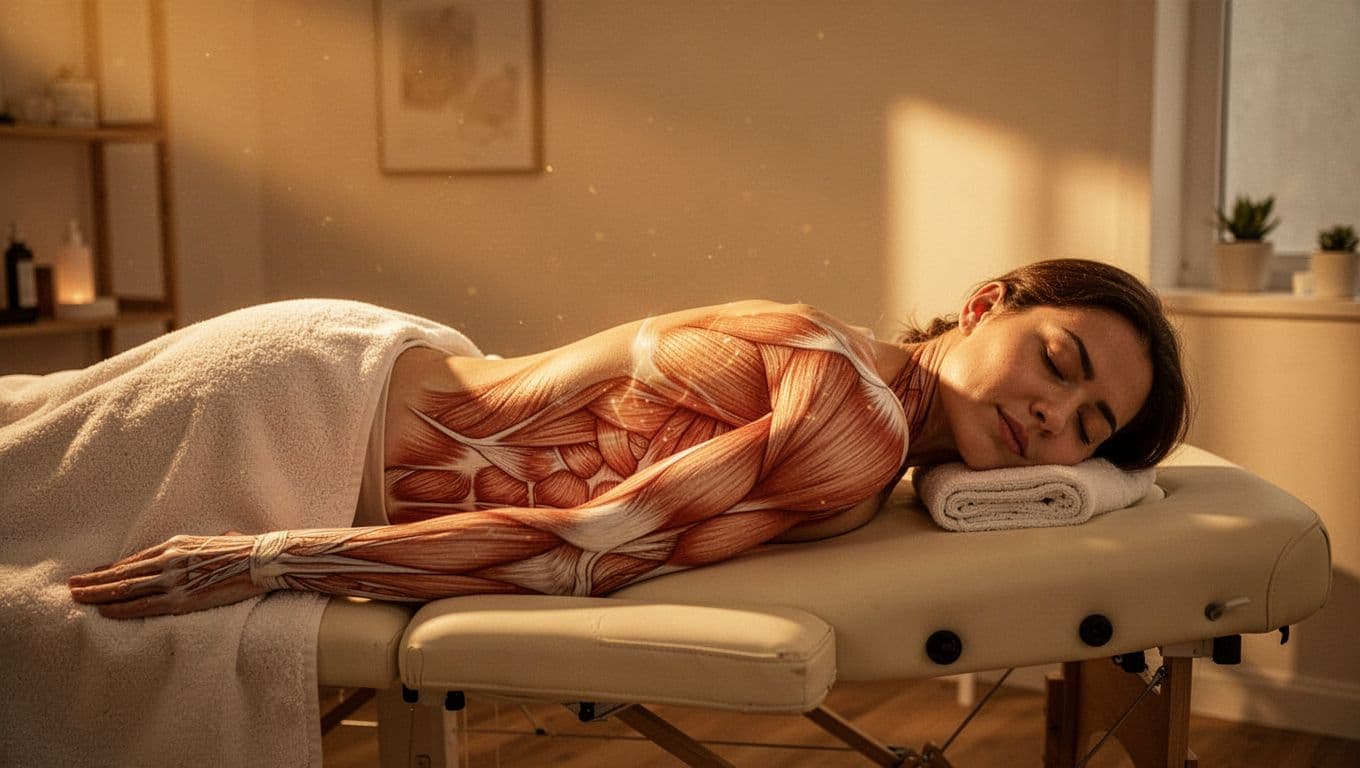 This is why massage fits so well into everyday routines. A commuter with a stiff lower back, a warehouse worker with tired calves, or a remote worker with a locked-up neck can all feel the same basic benefit, which is less resistance in the body. If you want to compare treatment options, the massage menu and service fees can help you match a session to your needs.
Why athletes and active people use massage for recovery
People who exercise regularly often use massage because their bodies take repeated strain. After a run, a weight session, or a game, muscles can feel sore and short. Massage helps many active people feel looser the next day, and it can support the recovery process when used alongside rest, hydration, and proper care.
That support matters most after hard training or a minor sports injury. Massage does not replace medical treatment, but it can be part of a recovery plan when the body needs less tension and better circulation around tired tissue. It may also help flexible movement feel more natural again, which is useful when soreness starts to change the way you walk, bend, or reach.
Recovery works better when the body gets help in more than one way, so massage pairs well with sleep, fluids, and time off.
A regular routine matters here. One session can feel good, but repeated care often helps athletes stay more comfortable through training cycles. For people who want structured options, massage treatment plans can make that kind of recovery easier to fit into real life.
Research also points in this direction. A review in PubMed on deep tissue massage and recovery links massage with reduced soreness and support for muscle recovery after exercise. The benefit is practical, not flashy. You may still feel the workout, but it may not hit as hard the next morning.
Massage and pain relief for common problem areas
Some of the most common places people carry tension are also the places that get the most daily use. The neck tightens after screen time. The shoulders rise under stress. The back holds strain from lifting, sitting, or standing. Even the feet can ache after a full day on the move.
Massage may help with short-term relief in these areas by easing muscle tension and reducing the pressure that builds in overworked tissue. That can make it easier to turn your head, sit upright, or walk without feeling guarded. It also helps when pain shows up as a dull ache rather than a sharp injury, because relaxed tissue often moves with less resistance.
Common problem areas often respond in slightly different ways:
- Neck and shoulders, where stress and computer work often create a tight, lifted posture
- Lower back, where sitting, lifting, and poor posture can leave a constant pulling sensation
- Feet, where long standing shifts or extra walking can create a tired, sore ache
- Forearms and hands, which often get overlooked until they feel stiff from repetitive work
The goal is comfort, not promises. Massage may ease tension and certain aches, but it doesn’t cure every pain pattern. If discomfort keeps coming back, the smart move is to treat massage as one part of a broader plan that includes movement, rest, and medical advice when needed.
How massage can support better sleep
A relaxed body usually sleeps better than a tense one. After massage, many people feel calmer, warmer, and a little sleepy. That happens because muscle tension drops, breathing often slows, and the nervous system gets less of the alert, braced feeling that keeps bedtime from coming easily.
This is one of the most useful physical benefits of massage in daily life. If your shoulders stay tight at night or your jaw stays clenched, sleep can feel shallow even when you are tired. Massage may help the body let go sooner, which makes it easier to settle into bed without carrying the whole day with you.
Stress relief plays a big role here too. When the body is less wound up, the mind often follows. That peaceful, heavy feeling after a session can be useful at night because it creates a natural bridge between busy hours and rest. Many people find that bedtime feels less like a battle and more like a landing.
Sleep benefits are usually most noticeable when massage becomes part of a routine. One session can calm you, but repeated sessions may help your body recognize relaxation faster. That makes massage a practical tool for people who need better rest, not just a temporary break from tension.
Which massage styles fit different goals best?
The best massage for you depends on what you want your body to do next. Some styles are built for quiet relief and mental rest, while others focus on tired feet, stubborn knots, or post-workout recovery. When you match the style to the goal, the session feels more useful and more satisfying.
 That is why the benefits of massage are not one-size-fits-all. A gentle session can help you slow down after a hard week, while firmer bodywork may feel better after training or long hours on your feet. The right choice often comes down to pressure, focus, and how your body feels when you walk in.
Relaxing massage for stress and mental rest
If your main goal is to breathe easier and let go of tension, a relaxing massage is often the best fit. This style usually uses soft to medium pressure, slow strokes, and a calm pace that helps the body settle instead of brace. It works well when stress shows up as tight shoulders, a clenched jaw, or that restless feeling you can’t shake.
The experience should feel comfortable from start to finish. You want warmth, steady rhythm, and enough pressure to ease tension without turning the session into a workout. For many people, that gentle approach is what makes a massage feel emotionally restorative, not just physically pleasant.
Relaxing massage is a good choice when you want to:
- Unwind after a demanding week
- Calm your breathing and slow your thoughts
- Ease mild muscle tightness without deep pressure
- Reset before sleep or a quiet evening at home
A softer massage can feel like a dimmer switch for the nervous system. The body starts to loosen, the mind stops racing as hard, and the whole session feels less like treatment and more like relief.
Herbal massage therapy and why some people love it
Herbal massage therapy adds a sensory layer that many people enjoy. Depending on the spa, it may use herbal oils, warm compresses, or plant-based blends that bring a gentle scent and a soothing feel to the session. The goal is simple, create a calmer, more spa-like experience that feels warm and comforting.
People often like this style because it adds variety without making the treatment harsh. The warmth can help the body settle, while the aroma and texture make the room feel more peaceful. That combination is especially appealing if you want relaxation with a little extra comfort.
It can be a good fit when you want the session to feel:
- Warm and comforting
- Aromatic without being overpowering
- Gentle on sore or stressed muscles
- More spa-like than clinical
According to massage therapy benefits for pain and stress relief, massage can support both comfort and stress reduction, which helps explain why so many people enjoy layered options like herbal treatments. The real appeal is often the mood it creates. You leave feeling wrapped in calm, not rushed back into the day.
Foot massage for tired legs and busy days
Foot massage is popular for a reason. When you stand, walk, commute, or move around all day, your feet carry the full load of the day. By evening, they can feel heavy, sore, or strangely numb, and that tiredness can travel up into the calves and lower back.
A good foot massage can feel grounding in a way few other treatments do. It brings attention back to the part of the body that has done the most work, and it often leaves people feeling lighter as they stand up again. For busy people, that quick reset can be enough to change the mood of the whole evening.
This style often helps when you want to:
- Ease tired arches and heels
- Refresh legs after long standing shifts
- Reduce that heavy feeling after commuting
- Relax the whole body through focused touch
Foot-focused care also makes sense if you want something practical and direct. Research on foot massage techniques shows that targeted pressure and kneading can help reduce tension in the feet and support relaxation after long days. In other words, it gives overworked feet a proper pause.
Singing bowl therapy and a calmer spa experience
Singing bowl therapy is less about muscle work and more about atmosphere. The sound and vibration create a peaceful backdrop that can help the mind slow down during or after a massage. For people who feel mentally crowded, that softer sensory input can make the whole spa visit feel more complete.
It works well as an add-on because it changes the pace of the room. The tones are steady and soothing, and they help shift attention away from noise, screens, and constant stimulation. That can make it easier to stay present during self-care instead of mentally racing through your to-do list.
Some people combine it with massage when they want:
- A quieter, more meditative spa session
- A calming finish after bodywork
- A peaceful setting that supports rest
- A broader wellness experience, not just physical relief
Singing bowl therapy does not replace massage, but it can make relaxation feel easier to hold onto.
Why Classy Massage Spa stands out for local wellness
Classy Massage Spa in Nairobi, especially in Kilimani, fits well for readers who want a calm place for massage and spa treatments. Its range of wellness-focused options makes it easier to choose a session based on your goal, whether that means relaxation, recovery, or something in between.
That matters because the best massage starts with the right match. A clear service menu, pricing-style plans, hours, testimonials, and booking details all help you compare options before you go. When you know what is available, it becomes easier to choose a treatment that fits your day and your body.
How to get the most out of a massage session
A good massage starts before your back hits the table. The best results usually come from a little preparation, clear communication, and a calm few hours afterward, because your body holds onto the session longer when you give it space to settle.
That matters whether you book massage for stress relief, recovery, or both. The massage menu and service fees can help you choose the right treatment, but the way you show up and what you do afterward also shape the outcome. Small habits can turn a nice hour into something your body keeps using for the rest of the day.
What to say before your session starts
Speak up early, before the therapist begins. Pressure preference is the first thing to mention, because “too light” and “too deep” both change how the session feels. If you like slow, steady work, say that plainly. If you want firmer pressure on tight spots, say that too.
Then point out any pain spots, injuries, recent surgeries, or sensitive areas. A therapist can work around a sore shoulder or a tender lower back, but only if you tell them where the body is asking for care. Comfort level matters as well, especially if you prefer to keep certain areas covered, avoid strong neck work, or skip deep pressure on one side.
A short, honest check-in before the massage can sound like this:
- “I like medium pressure, and I need extra focus on my upper back.”
- “My left hip is sore, so please be gentle there.”
- “I want a relaxing session, not intense work.”
- “Please let me know if you need me to adjust position.”
Clear communication helps the therapist shape the session to the body in front of them, not a generic routine. That is where the benefits of massage often improve, because the work becomes more targeted and more useful. If you want to know what to expect in the room, the American Massage Therapy Association gives a straightforward overview of a typical session.
The best massage is usually a conversation, not a guessing game.
Timing also matters. Arrive a little early so you are not rushing out of a car and straight onto the table. If you come in flustered, your body stays in that same state for longer.
Simple habits that help results last longer
What you do after the session can matter just as much as what happens during it. Massage often leaves the body relaxed but a little open and sensitive, so the goal is to protect that state instead of snapping right back into a packed schedule.
Start with water. Hydration supports recovery, especially if the session was firm or focused on tight tissue. Drink steadily afterward, not all at once, and keep water nearby for the rest of the day.
Rest helps too, even if it’s only for a short window. If you can, leave a little space after the appointment so you are not jumping into meetings, traffic, or heavy errands. Your body needs time to register the change.
A few simple aftercare habits work well:
- Drink water through the afternoon and evening.
- Stretch gently, especially if your therapist worked on a tight area.
- Keep movement light, like a calm walk or slow house movement.
- Avoid cramming in a hard workout right after treatment.
- Give yourself a quiet stretch of time before the day gets busy again.
Gentle stretching is enough. You do not need to force anything. Slow shoulder rolls, easy neck turns, or a mild hamstring stretch can help keep the muscles from tightening back up. If you want to give your body a longer window to recover, skip anything intense for the rest of the day.
A rushed schedule works against the session. The calm after a massage is part of the value, so protect it when you can. Even a short pause in the car, a slow lunch, or an early night can help the effects last longer.
When massage should be paired with other care
Massage works best as part of a bigger routine, not a lone fix. It pairs well with exercise, sleep, and other healthy habits because each one supports the body in a different way. Massage can loosen tissue, but movement keeps it mobile and sleep helps it recover.
That balance matters especially if you are dealing with repeat pain, sports strain, or a long-term issue. A session may ease tension, yet the root cause can still sit in posture, overtraining, stress, or an old injury. In those cases, massage is helpful, but it should sit alongside the rest of your care plan.
It also works well with physical therapy or medical treatment when needed. If a therapist notices unusual pain, swelling, numbness, or anything that feels out of place, medical follow-up is the right next step. Massage should never be used to ignore a problem that needs proper attention.
Think of it this way, massage can clear some of the noise, while exercise, rest, and medical care handle the bigger system. That combination is often where recovery feels most complete. If your goal is stress relief, better sleep, and easier movement, regular sessions make even more sense when they fit into the rest of your week.
Conclusion
The real value of massage shows up in the way it helps the body settle and recover. It can soften stress that settles in the shoulders, ease the heaviness that builds after long days, and create the kind of calm that makes sleep come more naturally. When the body relaxes, the mind usually follows.
The best results also come from choosing the right style for the need in front of you. A relaxing session can help when tension is mental as much as physical, while foot massage, herbal therapy, or singing bowl treatment can add a different kind of relief when you want something more focused or soothing. That match matters, because the benefits of massage feel stronger when the treatment fits your body and your pace.
Regular massage is a simple habit, but it can support health and well-being in a steady, practical way. Paired with a calm, trusted spa experience, it gives your body a real chance to rest, reset, and move more comfortably through the week.