
Aromatherapy Massage Benefits for Stress and Sleep
Some days, your body feels tired before the day is even halfway done. Your shoulders hold the weight, your breathing stays shallow, and sleep never seems to arrive cleanly or on time. Aromatherapy massage brings two calming forces together, touch and scent, so your body can slow down while your mind eases off the noise.
The warm pressure of massage helps loosen tight muscles, while essential oils add a layer of comfort through the senses. Scents like lavender, chamomile, and sandalwood are often chosen because they feel soft, familiar, and settling, which can make stress easier to carry and sleep easier to reach. If you want a closer look at the science behind the oils themselves, this guide on the effects of aromatherapy is a helpful place to start.
People often seek out this treatment when tension follows them home, when their sleep gets broken, or when their mood feels flat and heavy. The appeal is simple, because it doesn’t ask you to do much except lie still and let the room work on you. A good session can leave you feeling looser, calmer, and more ready for rest, which is why many people keep coming back for it.
That calming effect also ties into a bigger pattern of wellness, where regular care matters as much as a single session. If you’re curious about how ongoing bodywork supports a steadier mood and better recovery, the benefits of regular massage therapy are worth understanding before you book your next appointment.
What Happens During an Aromatherapy Massage Session?
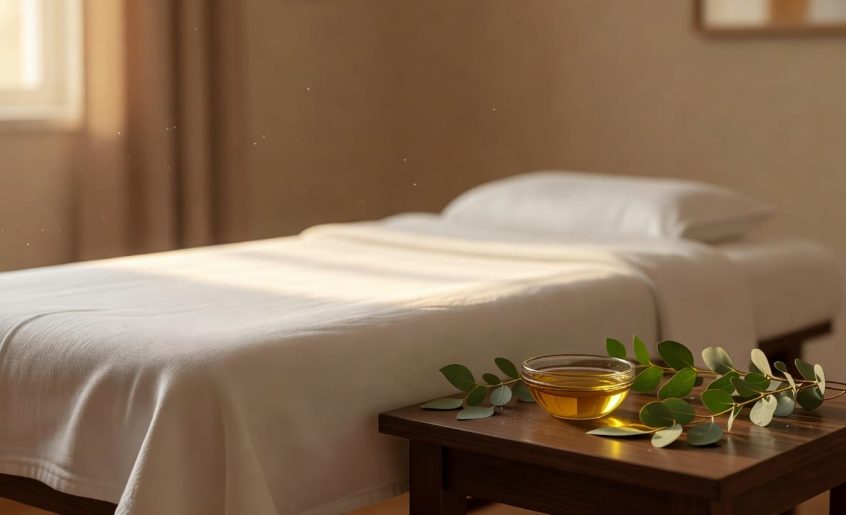
An aromatherapy massage feels calm from the moment you enter the room. The air is soft, the table is warm, and the session usually begins with a short chat about how you feel and what you want most, whether that is relaxation, tension relief, or better sleep.
From there, the therapist shapes the oils, the touch, and the pace around your needs. The whole experience is simple, but each step matters.
### How essential oils are chosen and blended
The therapist usually starts by asking what you want from the session. If you want to unwind, lighter scents like lavender or chamomile often come first. If your muscles feel tight, a sharper scent such as peppermint or eucalyptus may be chosen instead.
These oils are never used straight on the skin. They are mixed with a carrier oil or lotion first, which helps protect your skin and makes the blend easier to spread. Common carriers include almond, grapeseed, or jojoba oil.
That mixing step is small, but it changes the whole experience. A few drops of essential oil can scent the room and stay close to your skin without feeling heavy.
A simple blend might be chosen for a few common goals:
- Relaxation: soft floral or herbal scents that help the body settle
- Energy: brighter scents that feel fresh and clean
- Tension relief: warming or cooling oils that pair well with sore muscles
The best blend is one that fits your body and your mood, not just the scent you like most.
If you want to see how treatment options are organized, you can also view our massage service plans or check transparent pricing for our massage services before booking.
How touch and scent work together
Once the oil is ready, the massage begins with slow, steady strokes. The therapist spreads the blend across the skin, then uses pressure, gliding motions, and focused work on tight spots. As the hands move, the aroma rises and stays with you.
That is where aromatherapy massage feels different from regular massage. The touch helps the muscles loosen, while the scent gives your nervous system another cue to slow down. The two work together like a gentle one-two rhythm, one through the skin and one through the nose.
The result often feels fuller than massage alone. You are not just easing knots in your shoulders, you are also giving your mind a clear signal that it can stop bracing for the next thing.
Many people describe the session as more soothing because the scent sets the tone before the first stroke lands. Then the massage keeps that calm in place, so the relaxation lasts longer than a quiet room or a scented candle on its own.
For a broader look at how these oils support the experience, the benefits of aromatherapy massage are easy to compare with standard massage therapy.
What you may feel before, during, and after the massage
Before the massage starts, you may notice your breathing slow down just because the room feels quiet and safe. Some people feel a little tense at first, especially if it is their first session, but that usually fades once the oil and pressure begin to work.
During the massage, the body often softens in small stages. Shoulders drop. Jaw muscles unclench. The breath gets deeper without effort. If the oil blend is calming, the scent can make the room feel even more still.
Many clients also feel a lighter mood as the session goes on. The combination of warm touch and scent can make the mind feel less crowded, almost like a window opening in a stuffy room.
Afterward, sleepiness is common. Your body may feel loose, warm, and a little slow, which is normal after a relaxing treatment. Some people want to rest right away, while others feel clear and pleasantly calm for the rest of the day.
A few common reactions include:
- slower breathing
- softer, looser muscles
- a quieter mind
- a lighter mood
- drowsiness after the session
Everyone responds a little differently. Your energy level, stress, and sleep habits all shape how the massage feels. One person may leave ready for a nap, while another feels refreshed and steady.
If you are planning your first visit, choose a treatment length that gives your body time to settle. A calm session works best when you do not rush the rest of your day.
The Real Benefits of Aromatherapy Massage for Body and Mind
Aromatherapy massage brings together two simple comforts, touch and scent. That mix can help the body relax while the mind gets a break from noise, pressure, and constant thinking.
The best part is how ordinary it feels. You lie down, breathe in a soothing scent, and let steady hands do the rest. Over time, that quiet combination can support stress relief, sleep, muscle comfort, and a steadier mood. Results still vary from person to person, but many people leave feeling softer in both body and mind.
### Why it can calm stress and anxiety
Stress often shows up in the body before the mind catches up. Your shoulders creep upward, your jaw tightens, and your breathing gets shallow. Aromatherapy massage can help interrupt that pattern by pairing slow, steady touch with scents that feel comforting and familiar.
Massage itself encourages the body to settle. The hands move in a rhythm that feels safe and predictable, which can make it easier to stop bracing for the next task or problem. When calming oils are added, the scent becomes another cue to relax, almost like dimming the lights in a busy room.
Lavender, chamomile, and sandalwood are often chosen for this reason. Their scent may help create a quieter mental space, especially after a hard day or a long week. For a closer look at how scent affects the body and mind, Cleveland Clinic’s overview of aromatherapy gives a clear summary of its common uses.
That is why the experience can feel so grounding. You are not trying to force calm, you are giving your nervous system better conditions for it.
When your breathing slows and your muscles soften, stress often feels less sharp and less constant.
How it may ease tension, soreness, and stiffness
Aromatherapy massage can also feel good in a very physical way. The pressure from the therapist’s hands may help loosen tight spots in the neck, shoulders, back, or legs. As those areas begin to release, movement often feels easier and less guarded.
That effect matters on days when your body feels stuck in place. Maybe you spent hours at a desk, carried heavy bags through the airport, or slept in a bad position. A good session can help those tight areas soften, especially when the massage uses firm but comfortable pressure.
The oils add another layer of comfort. Peppermint, eucalyptus, and rosemary are often used in blends meant to feel fresh and soothing on tired muscles. They don’t do the work by themselves, but they can make the whole experience feel cooler, warmer, or more relaxing, depending on the blend.
A few common ways people describe the physical effect include:
- less tightness in the shoulders and neck
- easier movement after sitting too long
- a warmer, looser feeling in sore areas
- less stiffness after travel or long workdays
Research also points to a link between massage and better circulation, which may help support recovery after strain. A review of massage and aromatherapy benefits notes how the combination can influence relaxation and comfort. Still, the response depends on the person, the oil blend, and the style of massage.
### How aromatherapy massage can support sleep and mood
Sleep often improves when the body feels safe enough to let go. Aromatherapy massage can help create that state by slowing the pace of the session and using scents that your brain starts to link with rest. After a while, that scent can feel like a signal that the day is done.
This works best when the massage leaves you calm rather than overstimulated. A peaceful session can lower that wired, restless feeling that keeps you awake at night. Many people find that they drift off sooner, or at least feel more ready for sleep once they get home.
Mood can shift too. When tension drops, the mind often feels less crowded. That can leave you feeling lighter, steadier, or more balanced. Some people notice a gentle lift in mood, while others simply feel less drained and easier to be around.
The change is often subtle, but it matters. You may not walk out feeling like a different person. You may just feel like yourself again, with a little more room to breathe.
When aromatherapy massage may be especially helpful
Some moments call for a treatment like this more than others. Busy work weeks can leave your body tense and your mind on edge. Emotional fatigue can make even small tasks feel heavy, while travel, poor sleep, and long days on your feet can all build pressure in the body.
Aromatherapy massage is often a good fit when you need a reset, not a dramatic fix. It can help when you want to unwind after a stressful meeting, settle your mind before bed, or ease the kind of mild muscle tightness that lingers after too much sitting or standing.
It may also feel right after a hectic trip. Airports, car rides, and changes in routine can leave you feeling dried out and out of rhythm. A calm massage session can help bring you back to center.
A few common times people choose it are:
- After a demanding work stretch
- When stress sits in the shoulders or neck
- After travel or a long commute
- On days when sleep feels out of reach
- When you just need a quiet hour to reset
For many people, that is the real value of Aromatherapy Massage. It gives the body a chance to unwind and the mind a place to land. The effect may be gentle, but gentle is often exactly what stress, soreness, and poor sleep need.
Choosing the Right Essential Oils for Your Session
The best scent for an Aromatherapy Massage depends on what your body needs and what your nose actually enjoys. A blend can feel soft and sleepy to one person, then feel too sweet, too sharp, or too strong to someone else.
That is why oil choice matters. The right one can set the tone for the whole session, much like the first notes of a song shape the mood that follows.
### Relaxing oils people often love
Some scents are favorites for a reason. They feel soft, steady, and easy to settle into, which makes them a natural fit for people who want less tension and better sleep.
Lavender is the classic choice. It has a clean floral scent that many people find calming, like a room that has finally gone quiet. It often feels best when your mind is busy and your body needs help slowing down.
Chamomile has a gentle, warm smell that can feel comforting and almost sleepy. It works well when you want the session to feel tender rather than strong. People often choose it on stressful days because it brings a soft, blanket-like mood.
Ylang-ylang is richer and more floral. Its scent can feel lush and soothing, almost like a slow breath after a long day. Some people love it for evening sessions because it feels indulgent and restful without being cold or sharp.
If you are choosing a scent for sleep, these oils usually make the most sense. They support a quieter mood, and they pair well with slow massage strokes and a dim room. For more context on how calming oils are often used, Cleveland Clinic’s overview of aromatherapy gives a clear look at stress relief and sleep support.
Uplifting or refreshing oil choices
Not every session should feel sleepy. Sometimes you want to leave the table clear-headed, lighter, and more awake than when you arrived.
Citrus oils, such as orange, lemon, grapefruit, or bergamot, often bring that fresher mood. They smell bright and clean, which can help if you feel sluggish, mentally foggy, or worn down by a long day. A citrus blend can feel like opening a window in a closed room.
Peppermint is another common choice. It has a cool, crisp scent that feels sharp and alerting. Many people like it during daytime sessions, especially when they want to ease tiredness without slipping into a nap.
These oils often make more sense when your goal is focus, energy, or a clean reset. They can also work well if heavy floral scents feel too sedating for you. Some people prefer them before travel, after a work break, or during a midday massage when they still need to get things done.
A simple way to decide is to match the scent to the hour. Evening usually calls for softer oils, while a daytime session can benefit from something brighter. When the goal changes, the oil should change too.
The best scent is the one that fits your body, your mood, and the reason you booked the session.
Safety, dilution, and skin sensitivity
Essential oils are strong. A few drops can change the feel of a room, but that same strength can irritate skin if the blend is too concentrated. For massage, they should always be diluted in a carrier oil first, such as jojoba, sweet almond, or coconut oil.
For most healthy adults, a 2% dilution is a common and safe starting point, which usually means about 10 to 12 drops of essential oil per 1 ounce of carrier oil. That amount is often enough for a relaxing massage without being harsh on the skin. A dilution guide from Tisserand Institute explains why starting low is usually the safest choice.
Before a session, a patch test is smart, especially if you have sensitive skin or you have never used a certain oil before. A small amount on the inner arm can help reveal redness, itching, or irritation before it becomes a bigger problem.
A few safety points matter every time:
- Tell the therapist about allergies before the massage starts.
- Mention pregnancy or breastfeeding so the blend can be adjusted.
- Speak up about asthma, migraines, or skin sensitivity if scent usually affects you.
- Avoid undiluted oils on skin because they can burn or sting.
- Ask for a lighter blend if you want the scent, but not the full strength.
Pregnancy deserves extra care, since some oils are not a good fit during that time. If you are unsure, ask before booking or before the session begins. That short conversation can prevent discomfort and keep the experience relaxed.
The right oil should feel like support, not a surprise. When you share your preferences early, your therapist can build a blend that matches your skin, your goals, and the kind of session you want. That is where Aromatherapy Massage feels its best, when the scent is pleasant, safe, and suited to the moment.
Why Classy Massage Spa Is a Great Place to Try Aromatherapy Massage
Aromatherapy Massage feels best when the room, the hands, and the scent all work in sync. That balance is easier to find in a spa that values calm, care, and consistency. For many local clients, Classy Massage Spa in Nairobi fits that picture well, especially if you want a soothing session in Kilimani that feels personal instead of rushed.
The setting matters more than people often expect. When the lights are soft, the space is quiet, and the pace feels unhurried, your body has an easier time letting go. That kind of environment helps the scent settle in, the muscles relax, and the whole session feel more complete.
### A calm setting can shape the whole experience
Aromatherapy works best when the room gives your nervous system a reason to slow down. At a spa like Classy Massage Spa, a peaceful setting in Kilimani helps create that effect before the massage even begins. You settle in faster when the space feels private, warm, and free from noise.
Soft lighting makes a difference too. Bright rooms can keep your mind alert, while dimmer light helps the body shift into rest mode. Add a quiet room, clean linens, and a gentle scent in the air, and the session starts to feel like a pause button for the day.
That calm atmosphere supports relaxation in a simple way. You stop watching the clock. Your shoulders drop. Your breathing gets easier. In other words, the room does part of the work before the massage strokes do.
For people who want a gentle, restful treatment, that setup matters as much as the oil blend. A good relaxing massage in Kilimani should feel like a break from the outside world, not just another appointment on the calendar.
How a spa can tailor the experience to your needs
A good aromatherapy session starts with listening. The therapist should ask what you want most, whether that is rest, comfort, stress relief, or help easing tension in a certain area. That short conversation shapes the pressure, the scent, and the pace of the massage.
Pressure should never feel one-size-fits-all. Some days call for light, flowing strokes that help you unwind. Other days need firmer work on the neck, shoulders, or back. When the therapist adjusts as you go, the session feels more personal and much more effective.
Oil choice also matters. Lavender or chamomile may suit someone who wants to sleep better. Peppermint or eucalyptus may feel better for tired muscles. If you want more variety, a spa with broader options can help you match the treatment to the moment. You can also explore spa services in Nairobi if you like the idea of choosing from different styles of care.
A helpful session often includes small adjustments like these:
- lower pressure when you want to fully relax
- firmer work when your shoulders feel tight
- softer oils when your skin is sensitive
- calming blends when stress has been building all week
The best aromatherapy session feels adjusted to you, not pulled from a preset routine.
That kind of flexibility is especially useful if you like massage for sleep, not just muscle relief. Some clients also enjoy add-ons like herbal massage or foot massage, since those treatments can round out the experience and make the whole visit feel more complete. If your body is tired from standing, walking, or long hours at a desk, those options can make the session feel even more soothing.
Why local clients value consistency and care
Returning to a spa gets easier when you know what to expect. Local clients often value that sense of trust, because a familiar place lowers stress before the session even starts. You arrive with less hesitation when you already know the staff, the room, and the standard of care.
Consistency matters in aromatherapy massage because scent and touch are both personal. If a spa remembers what pressure you like, which oils you prefer, and what kind of session helps you relax, the experience feels smooth from the start. That kind of attention builds confidence over time.
Professionalism matters just as much. Clean spaces, respectful therapists, and clear communication all help you feel safe. When a spa keeps those basics steady, you can focus on rest instead of wondering what will happen next.
For many clients, that reliability is what brings them back. They want a place where the atmosphere stays calm, the service feels thoughtful, and the treatment supports real relaxation. That is the kind of environment that makes a soothing session feel easy to book and easy to enjoy.
Aromatherapy Massage also pairs well with broader wellness care, especially when you want a spa day that feels balanced. Classy Massage Spa can appeal to people who want more than one kind of comfort in a single visit, whether that means a calming massage, a foot treatment, or a herbal option that fits the mood. For readers who want a clear starting point, choosing a place known for relaxation-focused services is often the smartest first step.
How to Make the Most of Your Aromatherapy Massage
A little preparation can turn a good session into a better one. When you arrive hydrated, relaxed, and ready to speak up about your needs, the massage feels smoother from the first touch. Afterward, the way you rest matters just as much, because your body needs time to absorb the calm.
The goal is simple. Give your body the easiest path into relaxation, then let it keep that rhythm after you leave the table. That approach helps the scent, the pressure, and the quiet room work together instead of fading too quickly.
What to do before your appointment
Start with water. Good hydration helps your muscles feel more pliable, and it can make the massage feel more comfortable. A light meal also helps, because you want to feel steady, not heavy, when the session begins.
Arriving a little early gives your body time to slow down before you even lie on the table. Ten to fifteen minutes is enough to settle in, use the restroom, and stop rushing. If you can, leave extra time so the appointment starts with a calm pace instead of a fast one.
Be direct with your therapist before the session starts. Share any scent preferences, skin sensitivities, allergies, headaches, asthma, or pregnancy concerns. If one oil feels too sweet or too sharp, say that too, because the right blend should feel pleasant from the start.
A simple check-in can cover the basics:
- Hydration: drink water before you come in
- Food: choose a light meal, not a heavy one
- Timing: arrive a little early so you can settle
- Preferences: mention scents you enjoy or dislike
- Health concerns: share anything that could affect the oils or pressure
If you need help with booking or have a question before your visit, you can contact our spa team. A short message before your appointment can save time and help the therapist tailor the session to you.
A few honest details before the massage can shape the whole experience in your favor.
For more background on how preparation supports a better session, massage hydration tips can help you keep the basics clear.
What to do after the massage
Give yourself a slow landing. Stand up gently, drink water, and avoid jumping straight into a noisy task or a packed errand list. Your body has just shifted into a calmer state, and it needs a little time to settle there.
Rest is part of the treatment. Even fifteen quiet minutes after your session can help the calm last longer. If you can, keep the rest of your day light and let the massage do its work in the background.
Water matters again after the session. It helps you stay comfortable and supports recovery, especially if the massage was firm or longer than usual. A short walk or light stretching can also help, but keep movement soft and easy.
Later in the day, pay attention to small changes. You may notice looser shoulders, slower breathing, a calmer mood, or a quieter mind before bed. Some people feel sleepy within a few hours, while others notice the effect most clearly when they lie down that night.
A simple post-massage rhythm works well:
- Drink water.
- Rest for a bit.
- Keep the evening calm.
- Notice how you feel later that night.
For a broader look at safe post-session habits, recovery tips after massage offer practical reminders that fit well with aromatherapy care.
Questions worth asking your therapist
Good results often start with a few clear questions. Ask which essential oils they plan to use, especially if you want help with sleep, mood, or muscle tension. The answer should tell you whether the blend leans calming, refreshing, or both.
Pressure is worth discussing too. Some people want a gentle, flowing touch, while others need firmer work on the neck, shoulders, or back. If you want the session to feel more relaxing than corrective, say that early.
Scent strength also matters. A blend can be soothing at a light level and overwhelming if it’s too strong. If you are sensitive to fragrance, ask for a softer application or a different oil altogether.
These are smart questions to keep handy:
- Which oils are you using today?
- Can the pressure be lighter or firmer?
- How strong will the scent be?
- Can this session focus on relaxation, soreness, or mood support?
- Are there any oils I should avoid for my health needs?
Aromatherapy Massage works best when the therapist can adjust the session to your body and your mood. When you ask simple, direct questions, you make it easier to get the kind of care that feels right from start to finish.
Conclusion
Aromatherapy Massage brings the article’s main idea full circle, calm touch and carefully chosen scent can work together to ease stress, soften muscle tension, and make sleep feel closer. When the room feels still and the blend matches your needs, the whole session becomes easier to settle into.
The real value is in the balance. Essential oils like lavender, chamomile, sandalwood, and peppermint are not just there for fragrance, they help shape the mood of the session and support the kind of relaxation your body is asking for. Combined with skilled pressure and a quiet setting, they give your mind and muscles a clear signal to let go.
That is why the spa you choose matters. A good therapist listens, adjusts the blend and pressure, and gives you a space where comfort comes first. When those details are handled well, Aromatherapy Massage becomes more than a pleasant treatment, it becomes a small, steady way to care for both body and mind.